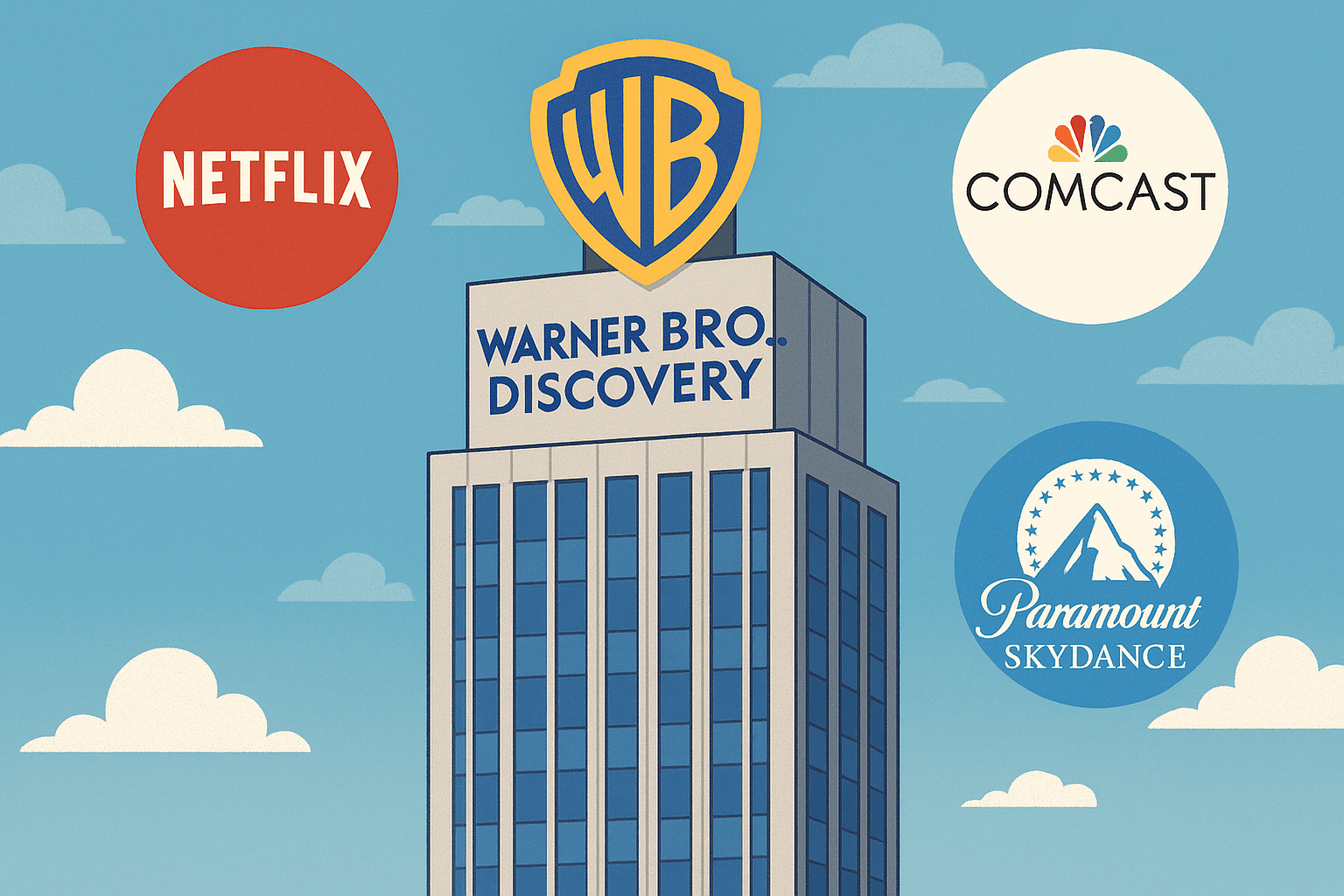
Paramount Skydance sues WBD for Netflix deal disclosure, escalates takeover
Paramount Skydance sued Warner Bros. Discovery seeking full math behind the Netflix deal and launched a proxy fight to press its $30-per-share takeover bid.
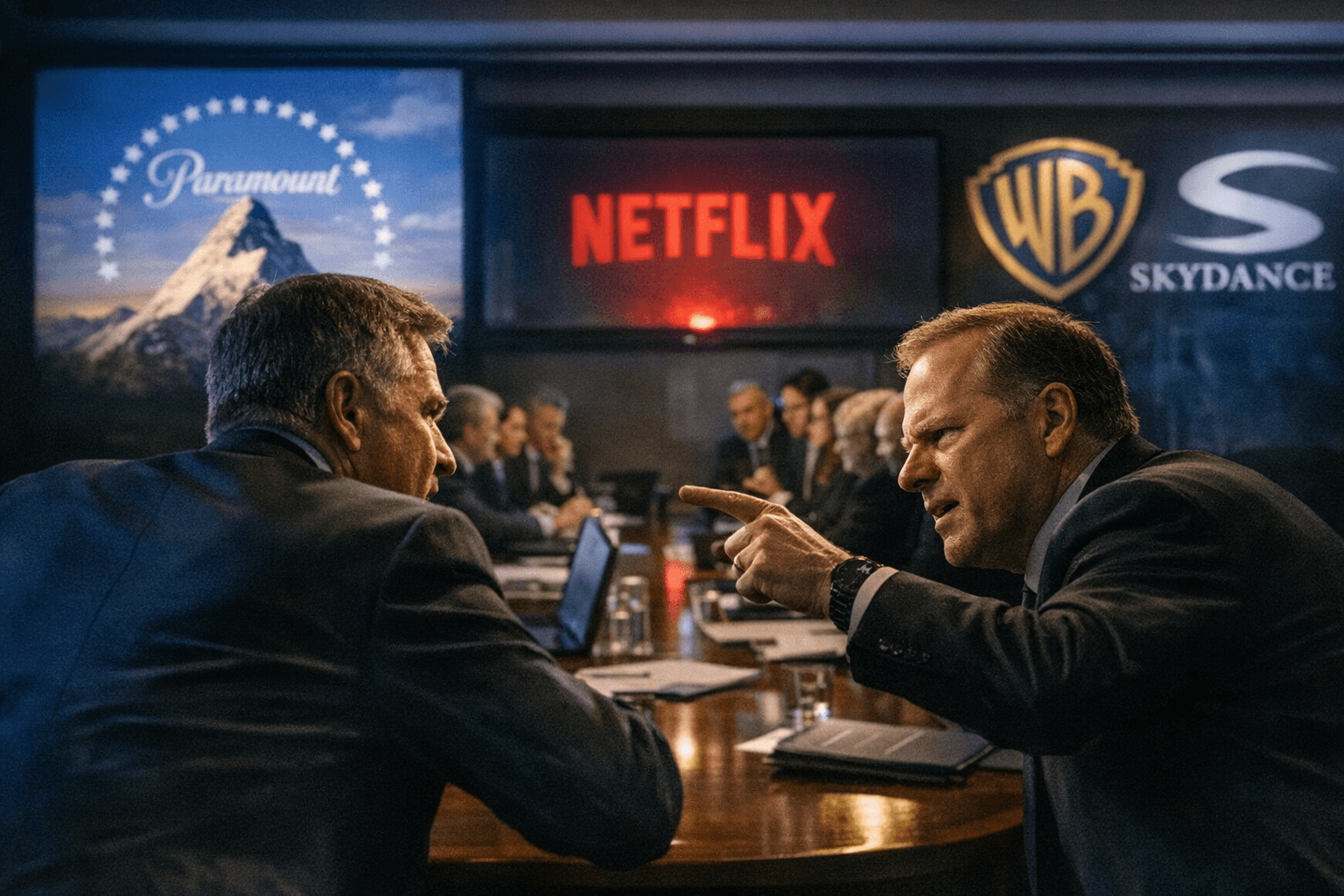
Paramount Skydance moved into court and corporate combat, filing suit in the Delaware Court of Chancery to force Warner Bros. Discovery to disclose the valuation math and assumptions behind its agreement with Netflix. The legal action, filed Jan. 12–13, is the latest escalation in a high-stakes contest over control of WBD’s studios and streaming business and follows the WBD board’s repeated rejection of Paramount’s takeover overtures.
The complaint asks the court to require WBD to provide shareholders with specific disclosures about the Netflix transaction so investors can decide whether to tender shares into Paramount’s $30-per-share all-cash offer. In an open letter appended to the suit, Paramount chairman and CEO David Ellison contended that WBD “has failed to include any disclosure about how it valued the Global Networks stub equity, how it valued the overall Netflix transaction, how the purchase price reduction for debt works in the Netflix transaction, or even what the basis is for its ‘risk adjustment’ of our $30 per share all-cash offer.” Paramount also demanded the underlying math and valuation assumptions WBD used to conclude the Netflix pact is superior.
On the governance front, Paramount announced an aggressive proxy campaign, saying it will nominate a slate of directors “who, in accordance with their fiduciary duties, will exercise WBD’s right under the Netflix Agreement to engage on Paramount’s offer and enter into a transaction with Paramount,” and will propose a bylaw amendment to require shareholder approval for any separation of WBD’s cable-TV Global Networks business. That component – pay-TV channels such as TNT and CNN – is central to how the competing deals have been structured and to disputes over how much value, if any, the spinoff would carry. Paramount has asserted the Global Networks stub is “virtually worthless,” a contention WBD has not publicly accepted.
Financial figures in the fight remain contested. Paramount has pressed its $30-per-share cash proposal, described as an amended hostile bid backed in part by Larry Ellison; other accounts of Paramount’s overall offer size and financing vary widely. The Netflix transaction has been described at roughly $82.7 billion to $83 billion in some accounts, while other figures have placed it near $72 billion. Per-share packages attributed to the Netflix deal range around $27.75 or $27.25, creating a tight numerical gap that underlies Paramount’s argument that its $30 cash bid is superior. Reporting on Paramount’s amended financing has also varied, with some figures citing large equity support personally guaranteed by Larry Ellison alongside substantial debt components.
Beyond the immediate litigation and proxy campaign, the clash reflects broader industry dynamics. Studios and streaming platforms remain prime cultural assets whose ownership shapes content strategy, global licensing, and the economics of subscription video. Control of Warner Bros. and HBO Max would give an owner a century of film and television franchises and a major streaming distribution vehicle; the Global Networks spinoff would isolate linear-TV assets whose value is increasingly debated.
The dispute could force court-ordered disclosures, a contested shareholder vote and further negotiation. Paramount said it will press its director slate and governance proposals at WBD’s next shareholder meeting. WBD did not immediately respond to requests for comment. The contest underscores how corporate governance, valuation opacity and the shifting economics of media distribution are colliding at the center of an industry in transition.
Sources:
Know something we missed? Have a correction or additional information?
Submit a Tip