New Comprehensive Primer Simplifies Mechanical Keyboard Choices for Newcomers
A detailed primer by Henri Robbins was updated December 9, 2025 to break down core mechanical keyboard concepts, from switch types to mounting styles and modern sensor alternatives. The guide clarifies practical buying choices and basic modifications, helping you pick a first board or plan sensible customizations without getting lost in hobbyist minutiae.
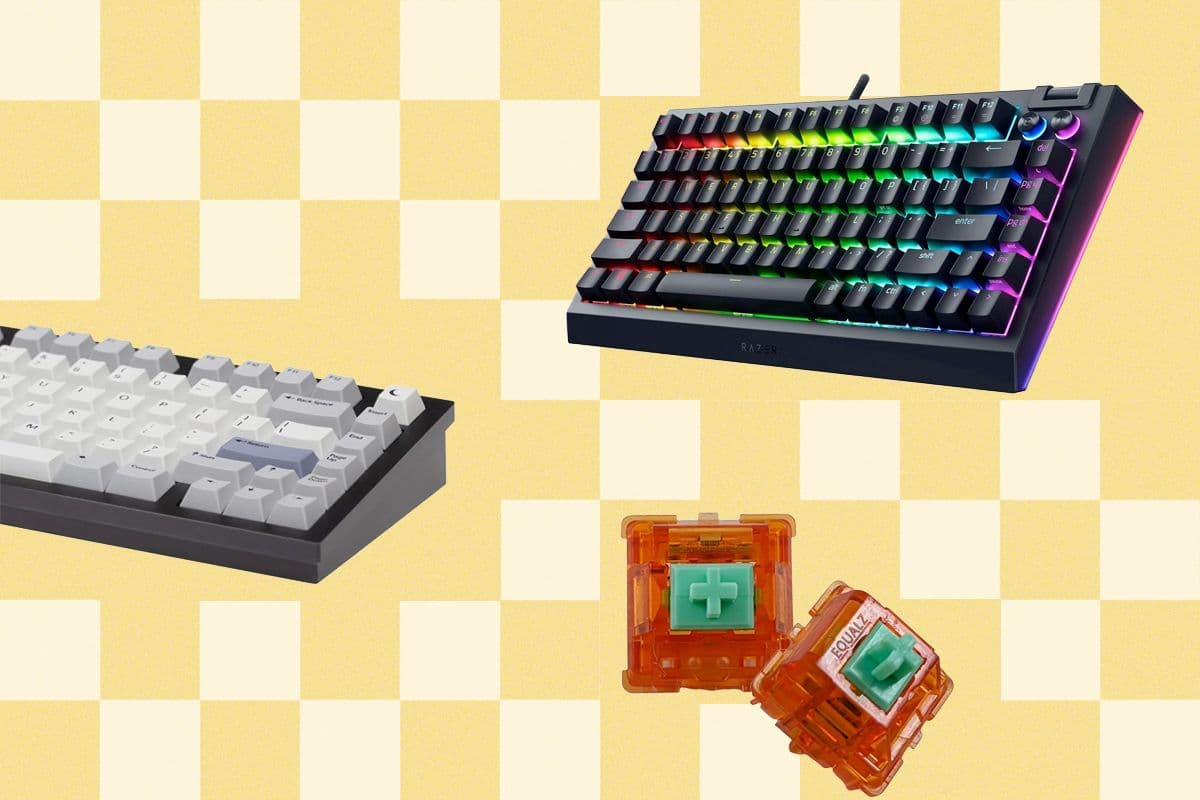
On December 9, 2025 Henri Robbins released an updated comprehensive primer that unpacks the essential ideas behind mechanical keyboards, aimed squarely at newcomers and casual hobbyists. The piece starts with the basics and moves quickly into the decisions that change typing feel and sound, covering switch types, PCB options, keycap materials, layouts, mounting styles, connectivity, firmware ecosystems, basic mods, and modern sensing technologies.
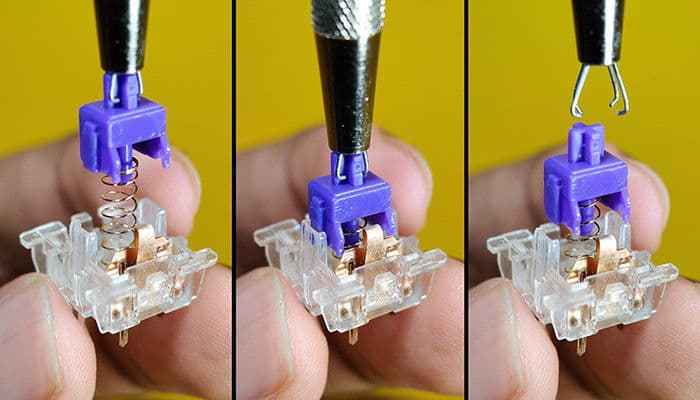
The primer explains switch categories clearly, distinguishing linear, tactile, and clicky mechanisms, and sets expectations for how each behaves under the finger. It contrasts hot swap PCBs, which let you swap switches without soldering, with soldered PCBs that often favor long term stability and a wider parts selection. Keycaps are broken down by material and legend method, including PBT and ABS plastics, dye sub and double shot legend techniques, and how those choices affect texture and durability.
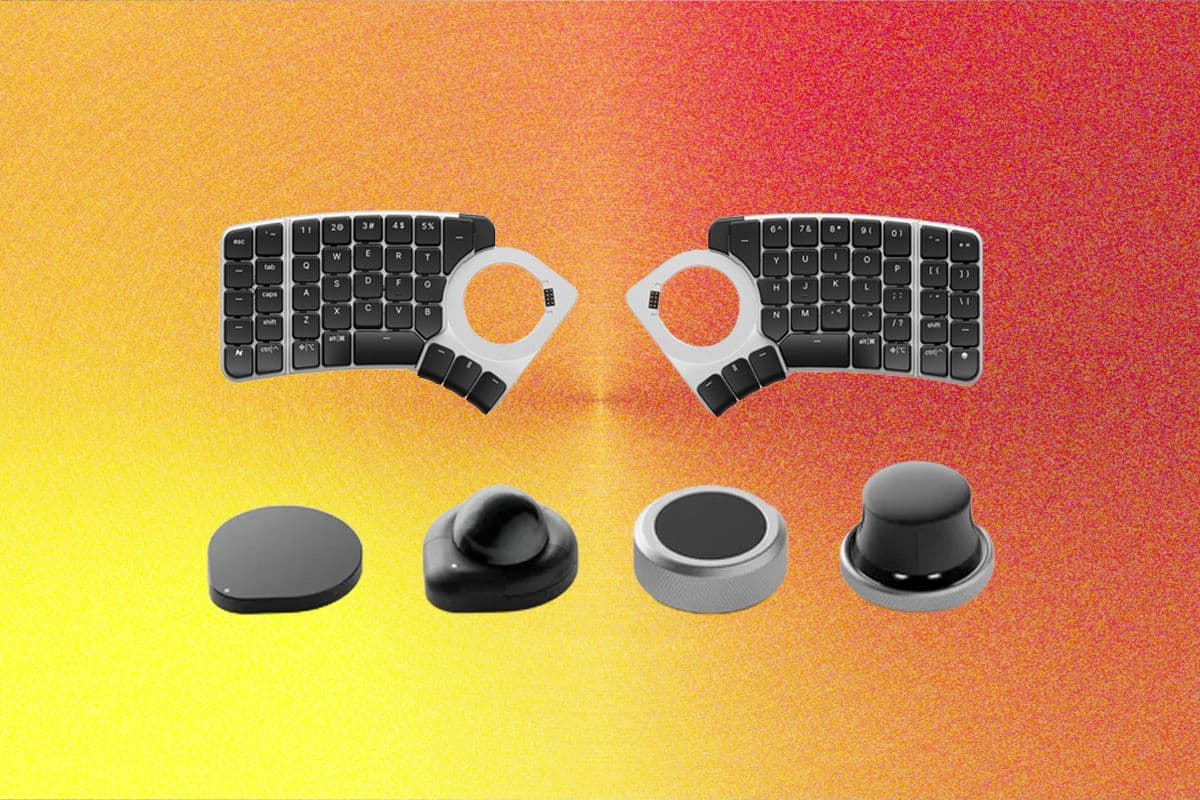
Layouts are defined for real world decision making, from full size and tenkeyless to 75 percent, 65 percent, 60 percent and compact 96 and 1800 style boards. Mounting styles receive practical treatment, with tray, gasket, top mount and plate mount explained in terms of how they influence tone and flex. Modern alternatives to traditional mechanical switches are covered too, including Hall effect, optical actuation, and TMR like analog solutions that offer different durability and input profiles.

Practical connectivity guidance stresses wired setups for lowest latency, Bluetooth for multi device convenience, and 2.4 gigahertz wireless for a middle ground with lower lag. Firmware options are explored with clear differences between open source QMK and VIA customization, and vendor provided apps. Basic modifications are presented as approachable steps, with advice on lubing, adding films and foam, and tuning stabilizers to improve feel and reduce rattle.
For buyers the primer maps recommendations to use cases. Choose hot swap and a switch tester if you are exploring, favor PBT keycaps for heavy daily typing, prefer wired or optical solutions if you play competitively, and prioritize stable mounts and careful stabilizer work if you value a premium typing sound. The update aims to help you make informed first purchases and sensible early mod decisions without being overwhelmed by the deeper layers of the hobby.
Sources:
Know something we missed? Have a correction or additional information?
Submit a Tip