NGOs Sue Shell in UK, Link Emissions to Philippine Typhoon
Environmental groups have filed a civil lawsuit in the United Kingdom alleging that Shell’s operations and policies contributed to harms suffered during a devastating 2021 typhoon in the Philippines, a move that could intensify global corporate climate liability. The case highlights the transnational reach of climate justice efforts, and why accountability in one jurisdiction may matter to vulnerable communities and investors worldwide.
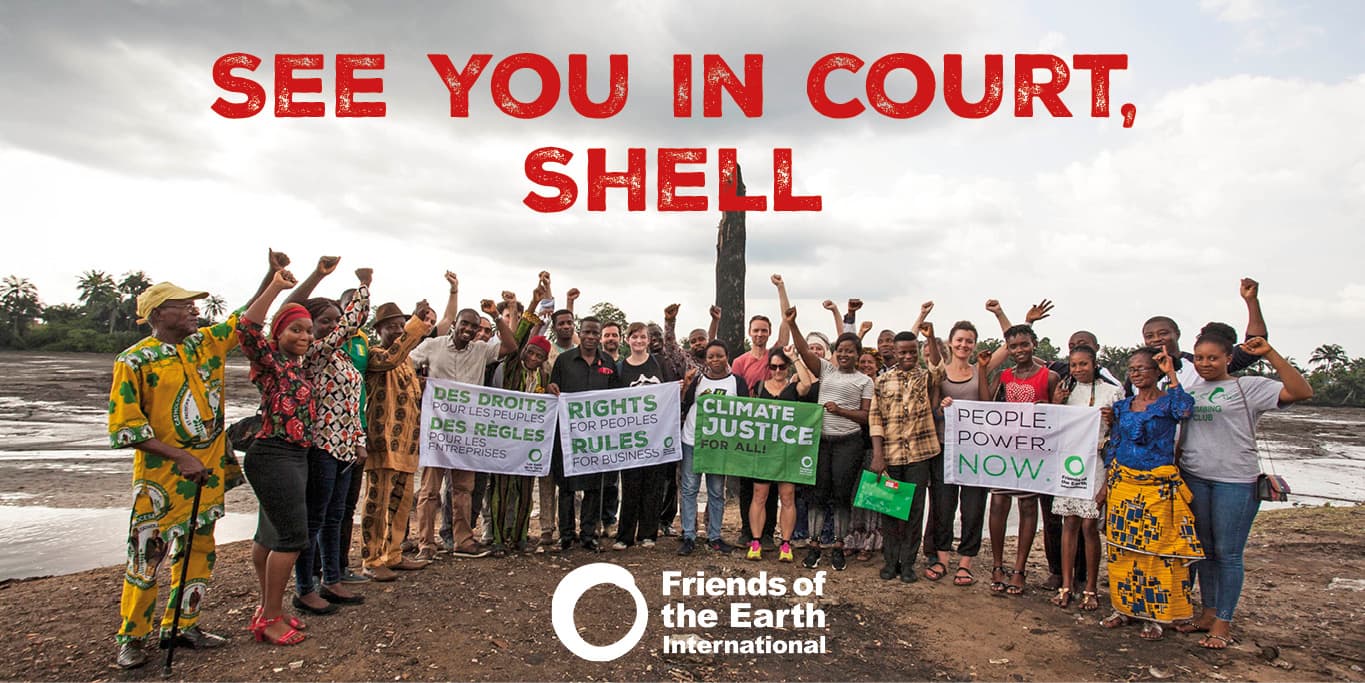
Environmental organizations initiated legal proceedings in UK civil courts on December 11, 2025, alleging that the practices of the multinational oil and gas company Shell played a causal role in damages suffered during a severe typhoon that struck the Philippines in 2021. The claim, assembled by a coalition of NGOs and their lawyers, seeks monetary compensation for affected communities and court orders to force changes in corporate behavior and policy.
The filing arrives amid a rise in climate litigation aimed at holding large fossil fuel producers to account for the consequences of global warming. Plaintiffs contend that corporate emissions and policy decisions form part of the causal chain that links fossil fuel extraction and production to more frequent and intense storms, greater coastal flooding, and the increasing vulnerability of low lying and coastal populations. By bringing the suit in the United Kingdom, the NGOs are tapping into legal avenues available in jurisdictions where multinational corporations maintain legal and commercial ties.
Legal experts say the case will test complex questions of causation and jurisdiction. Courts will be asked to weigh scientific analyses connecting corporate greenhouse gas emissions to global temperature rise, and then to link that rise to the intensity and impacts of a single weather event. They will also confront doctrinal issues about the scope of tort law in responding to harms that have diffuse, global causes. The plaintiffs are pursuing both damages for losses sustained by communities and injunctive remedies intended to compel changes in corporate governance and emissions policies.
The Philippines has long been among the countries most exposed to tropical cyclones and storm surges, and the filing underscores the unequal global distribution of climate risk. Advocates for the plaintiffs frame the litigation as part of a broader push for transnational accountability, arguing that communities in the Global South should be able to seek redress in courts where large emitting companies conduct business and concentrate legal presence. For vulnerable populations, such lawsuits offer a legal pathway that complements diplomatic appeals and international climate financing mechanisms.
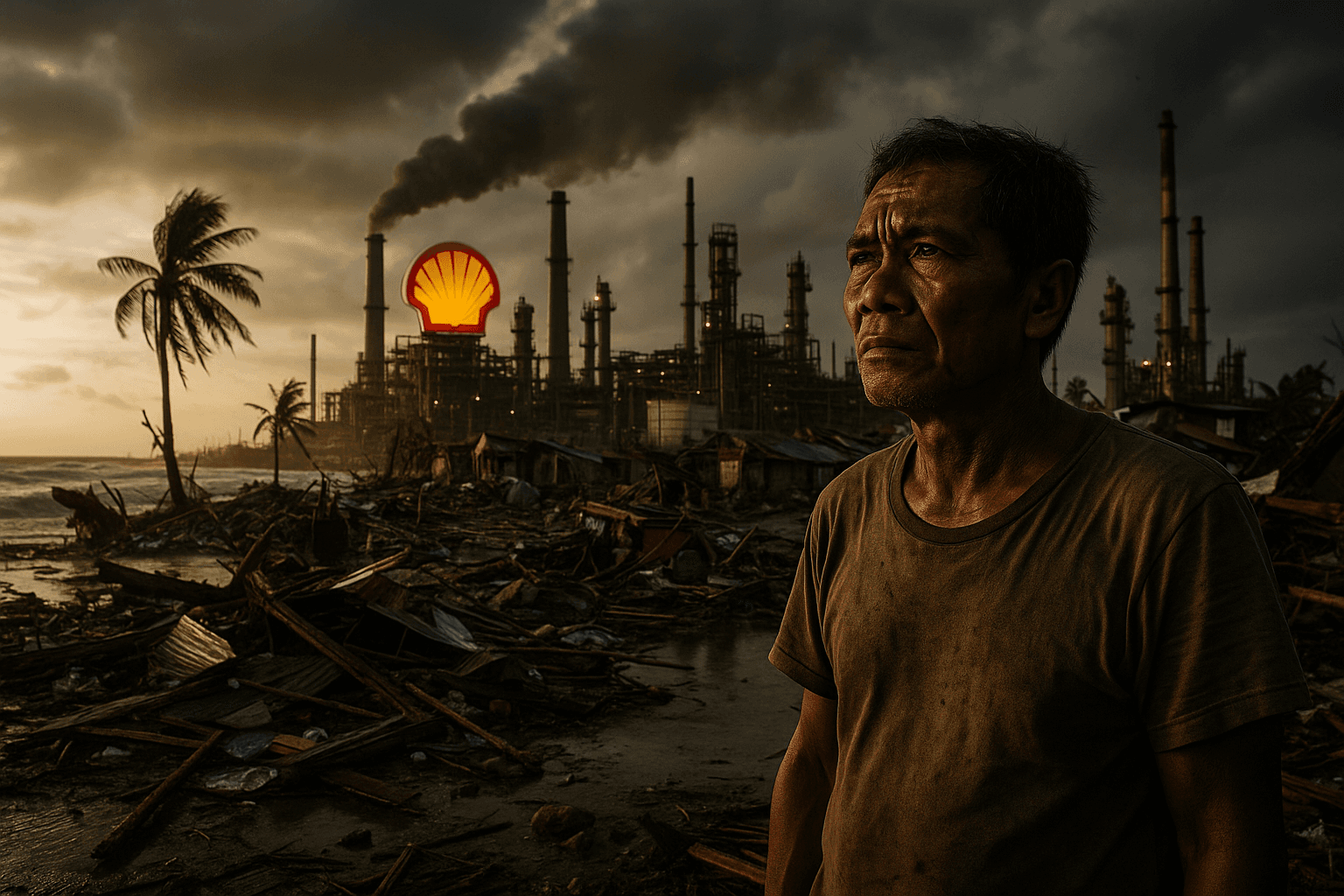
For multinational corporations the suit signals a growing legal and reputational risk. Investors and boards face heightened scrutiny over business strategies, transition plans, and disclosures related to climate risk. For governments, the litigation raises diplomatic sensitivities, as outcomes could influence bilateral relations and expectations for corporate conduct abroad. Courts in the United Kingdom will need to navigate not only scientific and legal complexity but also the broader implications that a decision may have for transnational climate governance.
The NGOs’ action is likely to draw attention from other litigants and from international legal scholars watching how domestic courts adapt traditional doctrines to an era of planetary scale harm. The result will reverberate beyond the parties in this case, shaping how law, markets, and political institutions respond to the demands of communities on the front lines of climate change.
Sources:
Know something we missed? Have a correction or additional information?
Submit a Tip