Nigeria Will Publish Probe Into Drone Strike That Killed Civilians
Nigeria's defence minister said the government will publish by the end of December an investigation into a drone strike in Kaduna state that human rights groups say killed scores of civilians. The inquiry follows an order from President Bola Tinubu and comes as the military faces mounting domestic and international scrutiny, with consequences for humanitarian response and investor confidence.
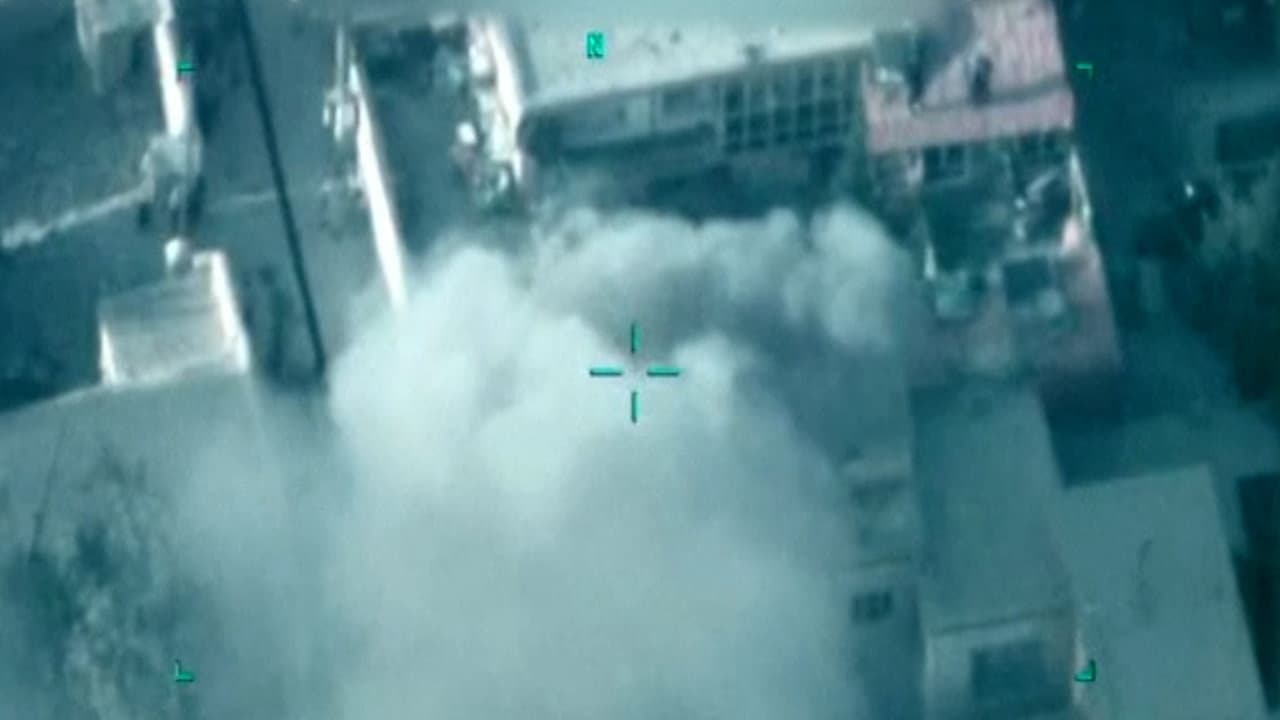
Nigeria announced on December 5 that it will release an official investigation by the end of December into a military drone strike in Kaduna state that human rights groups have said killed scores of civilians. The probe was ordered by President Bola Tinubu after reports emerged that an operation intended to target insurgents and bandit groups had instead struck non combatants, prompting domestic protests and international concern.
Defence Minister General Christopher Musa told reporters the review will determine the circumstances of the strike and establish culpability. Authorities also said the casualty list and specific details remain under verification, citing difficulties in identifying victims and collecting names in remote areas where the incident occurred. The delayed verification reflects chronic challenges for Nigerian officials trying to document casualties in regions where access is limited and local records are scarce.
The announcement is an attempt to show transparency amid growing criticism of military operations in the northwest where clashes between armed gangs and security forces have produced large numbers of civilian casualties and displacement. Humanitarian agencies have long warned that insecurity in the region is creating recurrent waves of internal displacement, disrupting agriculture and local markets and raising needs for emergency assistance. The Kaduna incident intensified scrutiny of the rules of engagement and the use of unmanned aerial systems in densely populated rural areas.
Beyond the immediate humanitarian stakes, the investigation has political and economic implications. International donors and security partners who supply training and equipment to Nigeria have increasingly tied cooperation to respect for civilian protection and accountability. A credible, timely report could help reassure those partners and reduce the risk of conditionality on aid and military assistance. Conversely, a perception of impunity or an opaque process could harden criticism and lead to renewed calls from rights groups and foreign governments for stronger oversight or restrictions on assistance.
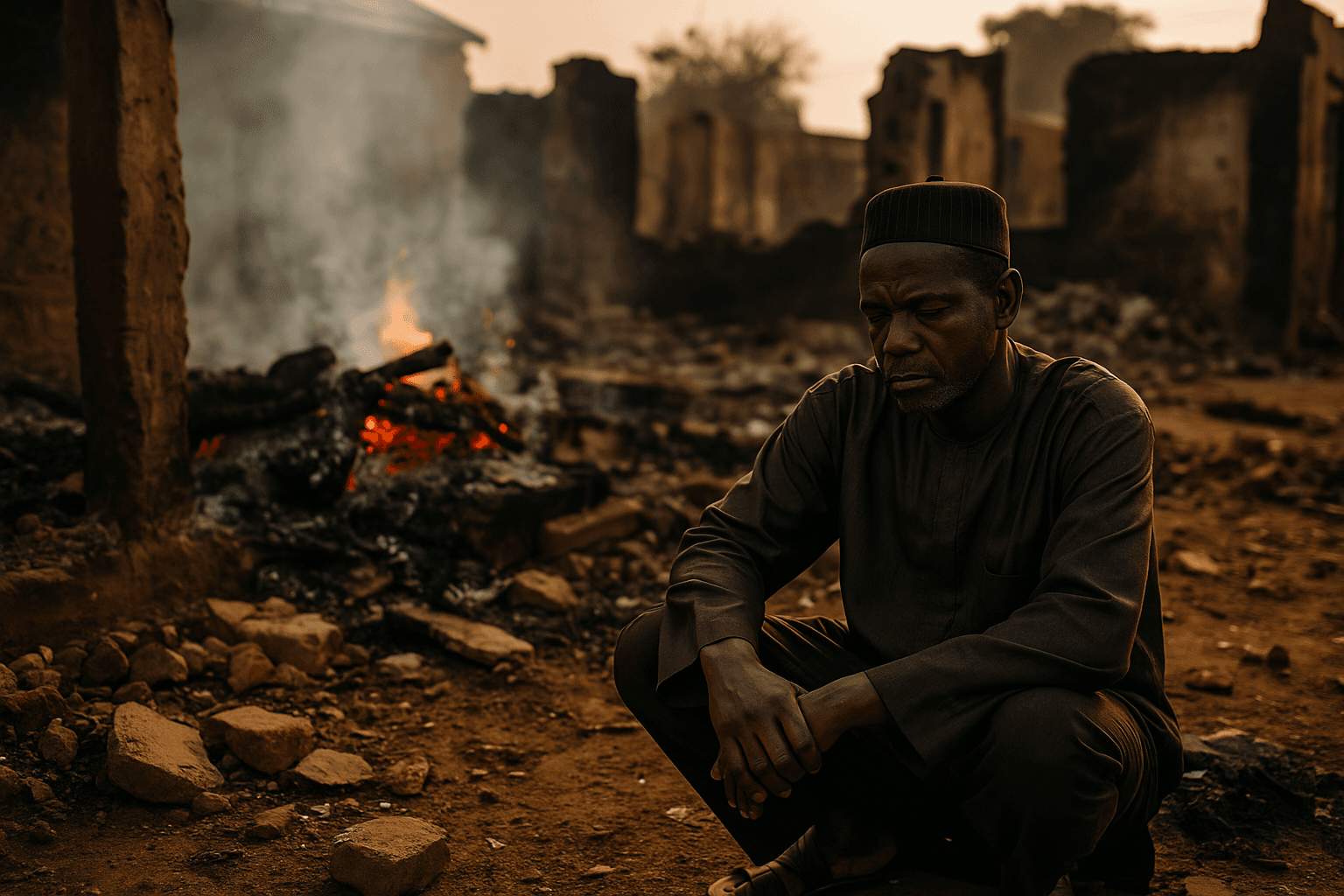
Domestically the episode will test President Tinubu's pledge to balance a tougher security posture with adherence to legal norms and human rights. The government’s handling of the review will influence public trust in state institutions at a time when voters and communities across the north are fatigued by recurring violence and displacement. For businesses and investors, persistent instability and concerns over governance can translate into higher risk premia, slower private investment in affected states and disruptions to supply chains for commodities produced in the region.
Analysts say the investigation’s credibility will hinge on access to affected communities, independent verification of casualties and clear recommendations for operational changes. The government faces pressure to publish a report that not only names causes but proposes measures to reduce civilian harm, improve victim identification and strengthen oversight of future operations. The deadline for the report is now set for the end of December, leaving less than a month for authorities to complete verification in remote terrain and to satisfy both domestic critics and international observers.