Nālani Kanakaʻole, Kumu Hula and Cultural Leader, Dies at 79
Kumu hula Nālani Kanakaʻole, a fifth-generation loea hula who spent decades teaching and transmitting pre-contact hula and chant, died peacefully on Jan. 3, 2026 in Hilo at age 79. Her passing marks a significant loss for Hawaiian cultural institutions and communities across the islands, underscoring ongoing questions about sustaining transmission of traditional practice and institutional support for kūpuna-led education.

Nālani Kanakaʻole, recognized across the Hawaiian Islands as a kumu hula, educator and cultural leader, died Jan. 3, 2026 in Hilo. A fifth-generation loea hula, she began hula training as a child and taught from her teens, eventually co-leading Hālau o Kekuhi and dedicating her life to preserving and transmitting pre-contact hula forms and chant.
Kanakaʻole's work bridged family lineage and public cultural practice. She co-led one of the most prominent halau in Hawaiian cultural life and helped ensure that older chant and movement traditions were taught to successive generations of students. Her career included cultural education both within the halau structure and in broader community contexts, contributing to the endurance of specialized knowledge that many cultural practitioners describe as at risk when kūpuna are no longer present to teach.
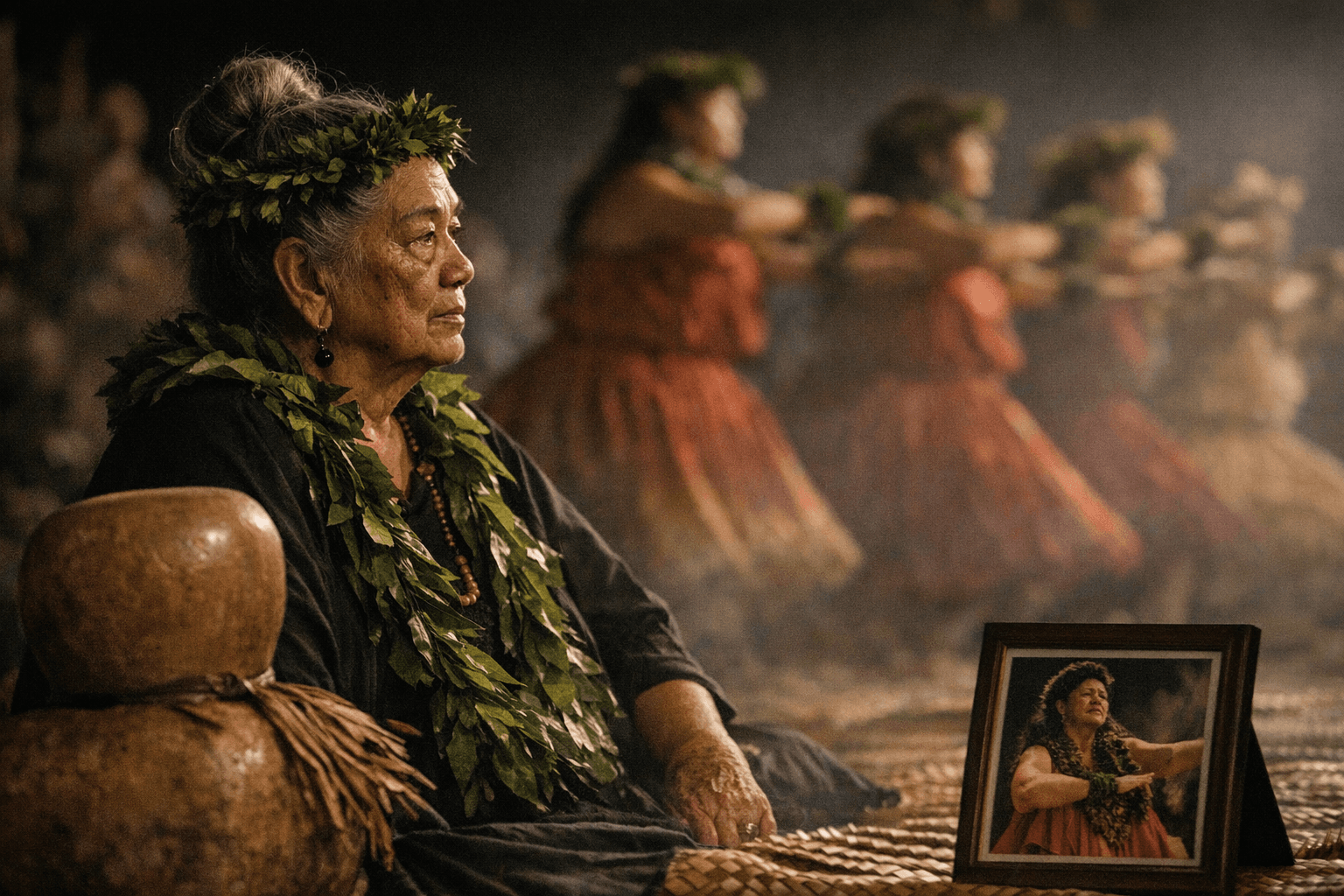
Her achievements were recognized at the national level when she received a joint National Endowment for the Arts National Heritage Fellow recognition in 1993. Kanakaʻole also played a role in contemporary cultural entrepreneurship as a co-founder of Sig Zane Designs, linking traditional Hawaiian motifs and values with modern design and commerce.
For residents of Kaua‘i and across the state, Kanakaʻole's death resonates on multiple levels. Local halau, schools and cultural organizations that rely on experienced kumu and kūpuna for instruction face the practical challenge of sustaining programs, curricula and chant repertoires that depend on long-term mentorship. The loss highlights institutional questions about how county and state cultural funding, educational partnerships and archival efforts can support living transmission rather than solely preserve artifacts or recordings.
Kanakaʻole leaves behind a wide cultural legacy through her students, family and the organizations she helped shape. Close family survivors were listed by cultural outlets, and officials and cultural groups indicated that memorial details will be announced later. In the interim, halau and community groups on Kaua‘i and neighboring islands are likely to respond with gatherings, instruction and remembrance as they work to carry forward the lineages and practices Kanakaʻole dedicated her life to sustaining.
Her passing renews attention to the role of kūpuna in civic cultural life and to policy choices that affect how traditional knowledge is taught, funded and institutionalized within schools, museums and community organizations.
Sources:
Know something we missed? Have a correction or additional information?
Submit a Tip