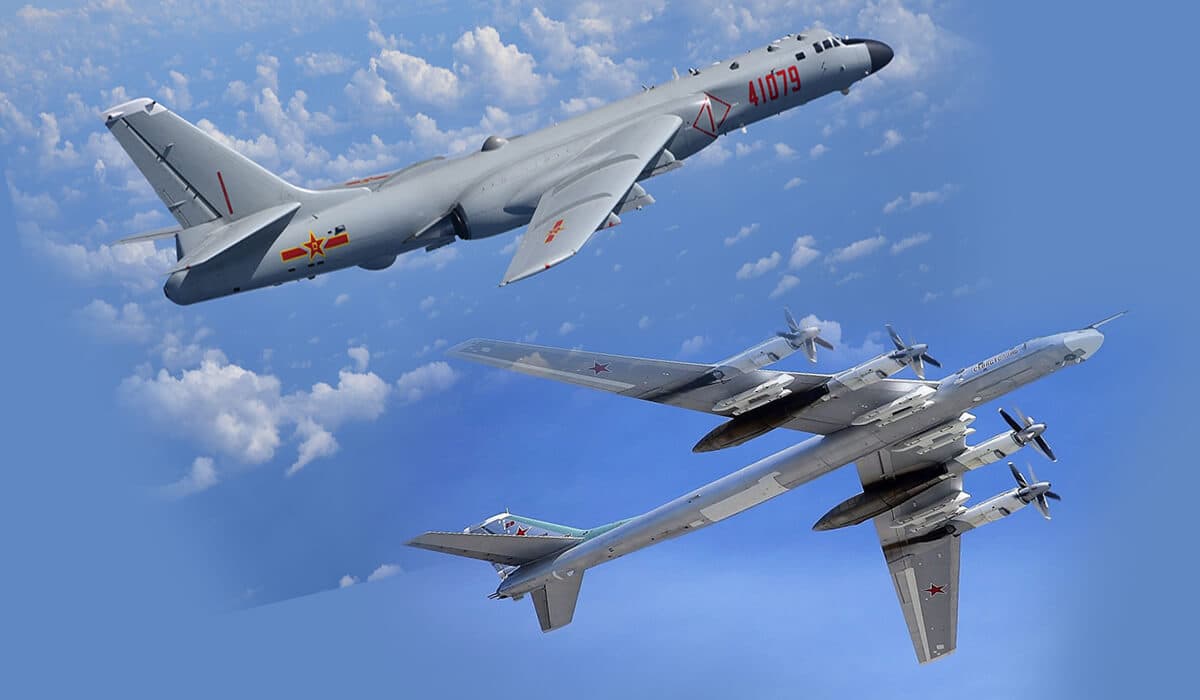
North Korea Fires Artillery Salvo, Signals Strength at Party Gathering
North Korea launched an artillery salvo on December 10, 2025 as senior leaders convened for a key ruling party meeting, a move South Korean and international reporting interpreted as a calibrated show of force. The incident heightened vigilance in Seoul and neighboring capitals, with defense officials warning of increased risk and diplomats urging restraint, a development with immediate security implications and potential economic ripple effects across the region.
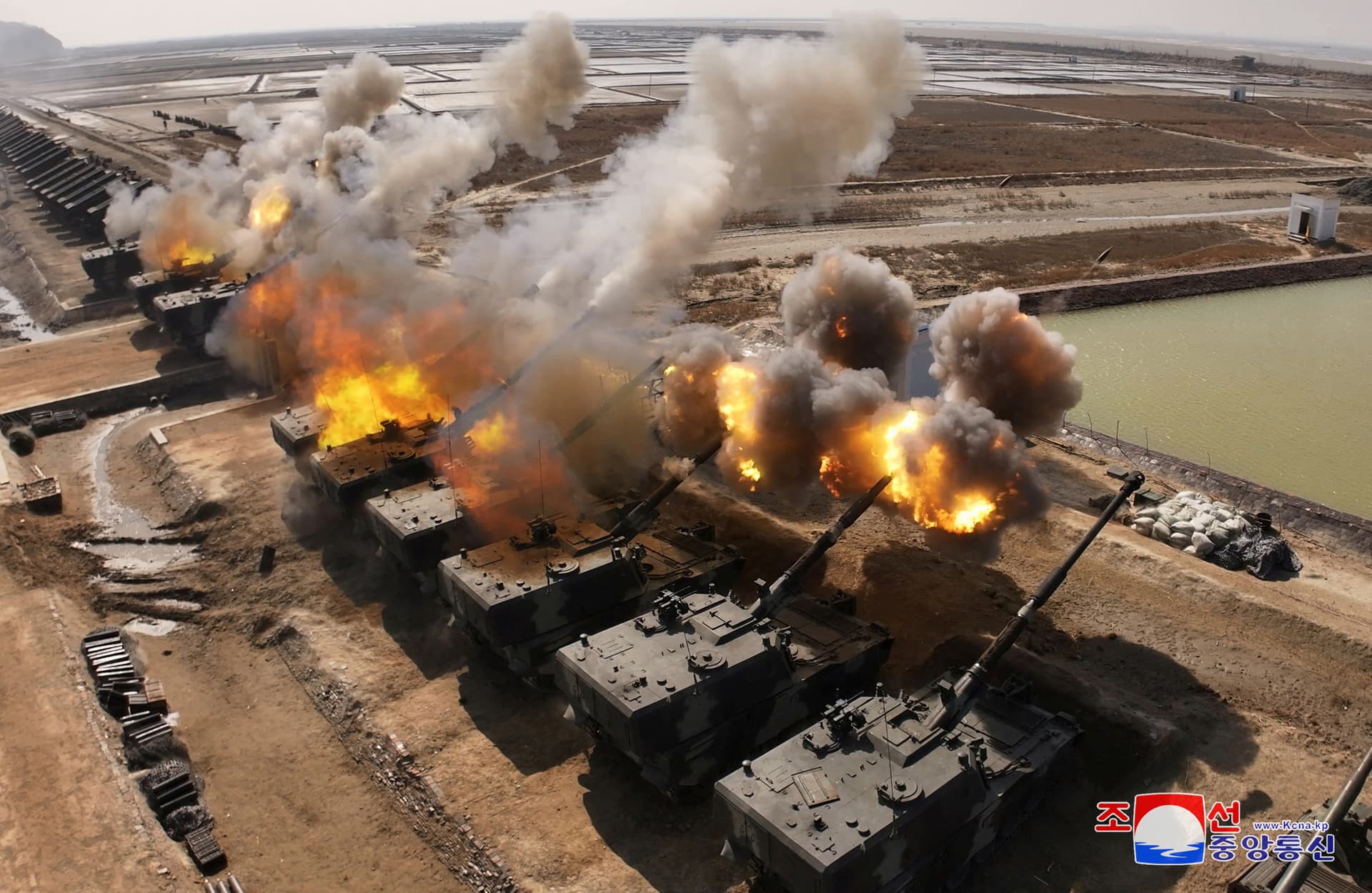
South Korean authorities and international media reported that North Korea fired an artillery salvo on December 10, 2025 timed with the opening of an important ruling party meeting in Pyongyang. AFP dispatches covering the event described the launches as widely interpreted both as a demonstration of military capability and as internal signaling to domestic and elite audiences during the high level gathering.
Seoul and neighboring capitals moved to monitor the activity closely. Regional defense officials described the launches as raising the risk environment on the Korean Peninsula and urged heightened vigilance among allied forces. Diplomatic channels responded with calls for restraint, underlining concerns that military demonstrations during major political events can increase the chance of miscalculation.
The timing is significant. North Korean leaders have a documented history of using military displays to synchronize external signaling with internal power consolidation. Analysts say such episodes are designed to send multiple messages at once to domestic audiences, to regional rivals, and to potential negotiating partners. In this case the artillery salvo coinciding with the ruling party meeting conveys firmness domestically while reminding neighbors of Pyongyang's capacity to project force at short notice.
The immediate security consequences are concrete. Military monitoring and forward surveillance intensify during such episodes, and naval and air assets in the region typically operate under higher alert. For policymakers in Seoul, Washington and Tokyo the incident complicates diplomatic bandwidth, increasing pressure to calibrate deterrence measures while avoiding steps that might provoke a further escalation.
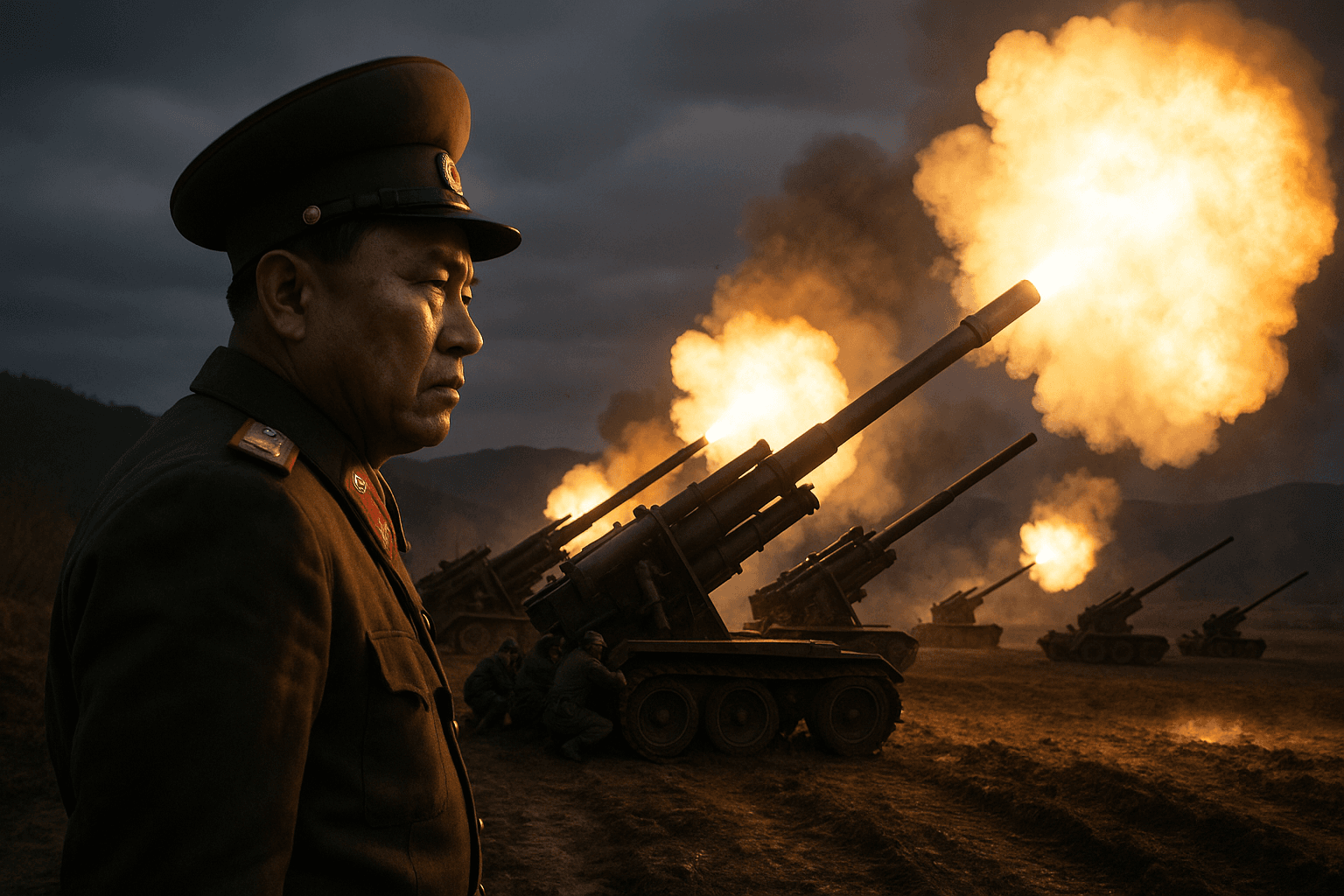
There are also economic implications, albeit indirect. Geopolitical shocks on the Korean Peninsula tend to prompt flight to safe haven assets and to temporarily unsettle regional markets. Investors commonly increase allocations to assets perceived as defensive, while companies with supply chains traversing East Asia reassess near term risks. Over the longer term, repeated security incidents can factor into decisions on investment, insurance pricing and corporate contingency planning across sectors concentrated in South Korea and Japan.
Policy options for allied governments are familiar yet politically fraught. Responses range from stepped up military surveillance and joint exercises to intensified diplomatic engagement aimed at deescalation. Sanctions and economic measures remain tools of pressure, but their effectiveness depends on international coordination and on North Korea's willingness to respond to incentives. The episode underscores an enduring strategic challenge, namely how to deter provocative acts without locking the region into cycles of action and reaction.
For markets and policymakers the key metric to watch will be persistence. If such shows of force become more frequent or escalate in scale they will influence long term risk assessments, potentially accelerating investments in defense and resilience across the region. For now the salvo is being treated as a calculated signal from Pyongyang during a pivotal domestic convening, one that has prompted heightened alert among neighbors and renewed urgency in diplomatic channels.
Sources:
Know something we missed? Have a correction or additional information?
Submit a Tip