North Slope Economy Faces Tradeoffs from Decades of Oil Development
Since the Prudhoe Bay discovery and construction of the Trans-Alaska Pipeline System, oil and gas activity has shaped North Slope communities, delivering jobs and public revenues while creating housing, environmental, and infrastructure strains. Residents face ongoing decisions about balancing economic benefits from projects such as Prudhoe Bay, Kuparuk, Northstar, Alpine, Nuna, Willow, and Pikka with subsistence priorities and climate-driven infrastructure risks.
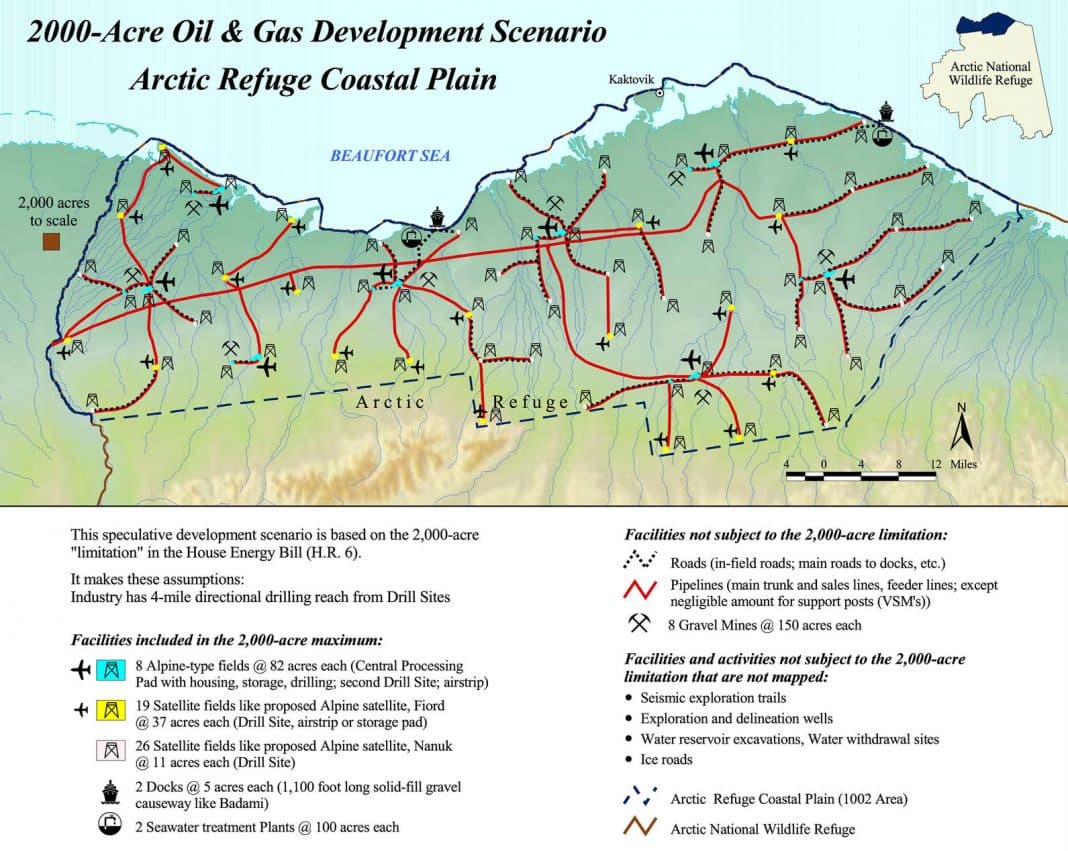
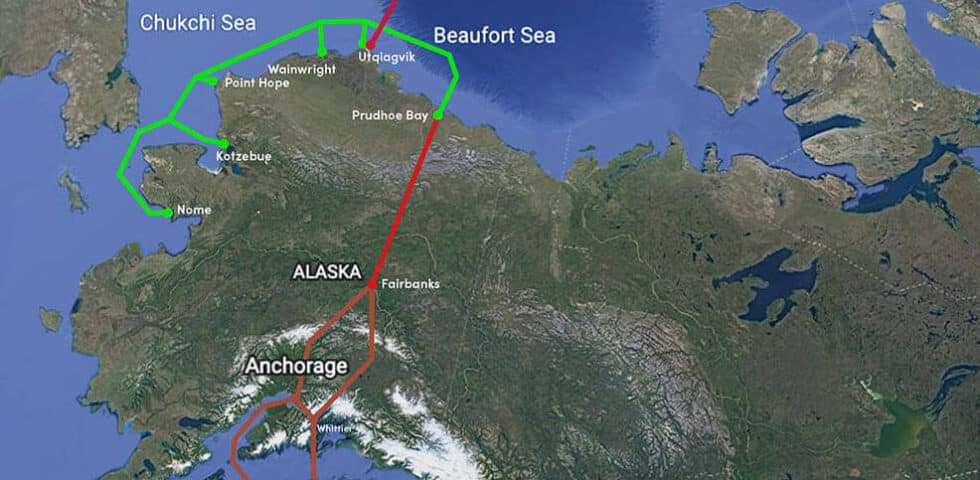
Modern industrial development on Alaska's North Slope began in earnest after the 1968 discovery of Prudhoe Bay and accelerated with construction of the Trans-Alaska Pipeline System in the 1970s, which linked North Slope fields to Valdez. Over the decades the region has hosted a string of major projects and operators including Prudhoe Bay, Kuparuk, Northstar, Alpine, Nuna, Willow, and Pikka. Those operations require permanent and seasonal infrastructure: gravel pads and roads, pipelines, airstrips, plus seasonal logistics such as sealift and ice roads.
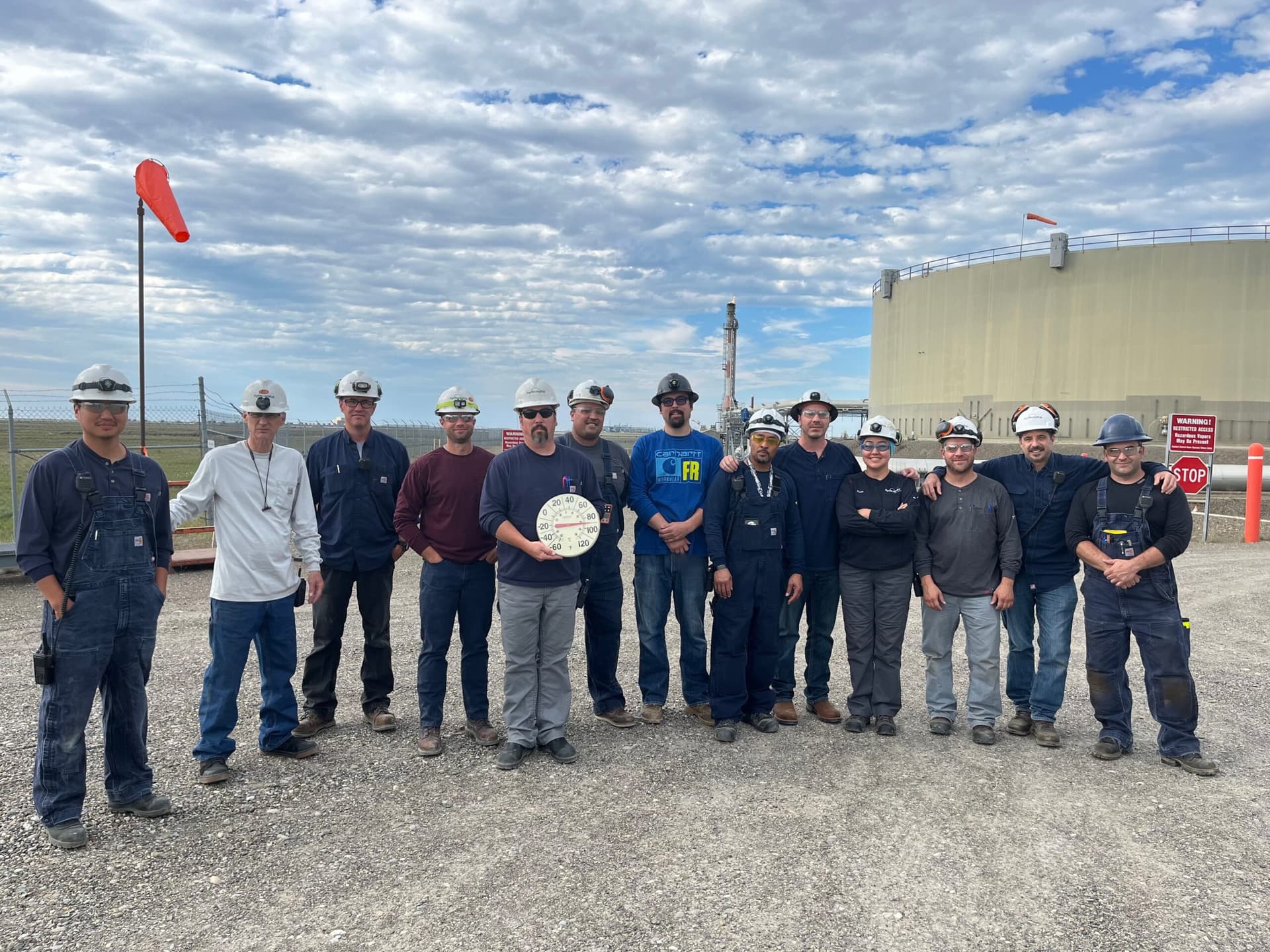
The economic footprint of petroleum production is tangible in local labor markets and public finances. Royalties and taxes from oil have historically supplied revenues to the state and municipal coffers, including the North Slope Borough, and provided income streams to Alaska Native corporations. Local businesses that handle freight, aviation, accommodations, and contracting depend heavily on industry activity for demand and cash flow. For residents that work directly or indirectly in the industry, the oil sector remains a primary employer and source of wages.
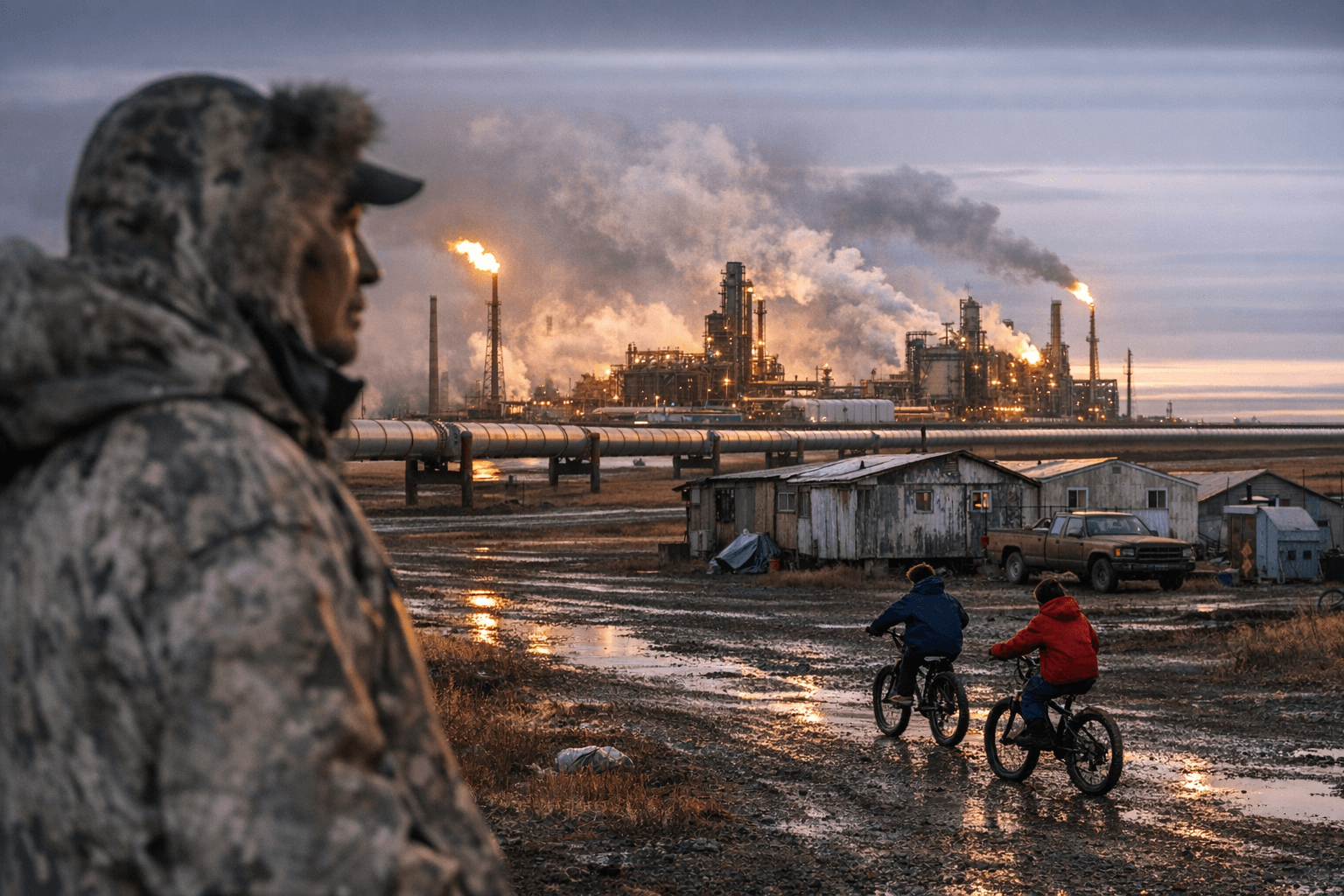
At the same time, community impacts are uneven. Hub communities such as Utqiagvik have experienced housing pressure and increased demand for services as workers and contractors move through the region. Traffic, greater service demand, and social change accompany the influx of industrial activity, even as Inupiat communities emphasize the enduring importance of subsistence and cultural ties to the land. Project planning frequently includes mitigations and negotiated agreements intended to protect subsistence, secure local-hire commitments, and distribute benefits through Native corporations and tribal governments.
Environmental and infrastructure challenges complicate the balance between development and community resilience. Thawing permafrost and coastal erosion threaten built infrastructure, increasing the need for gravel, road maintenance, and port and logistics upgrades to keep operations and local services running reliably. Seasonal transport such as ice roads is itself vulnerable to changing freeze schedules, raising operational costs and unpredictability.
Governance is multi-layered. The North Slope Borough, Alaska Native corporations, tribal governments, the state of Alaska, and federal agencies such as the Bureau of Land Management and the Bureau of Ocean Energy Management all share roles in permitting, oversight, and revenue distribution. Market volatility in oil prices and shifting investment cycles mean that municipal and household budgets tied to petroleum revenue are exposed to external shocks.
For North Slope residents and decision-makers, the policy imperative is clear: manage current industry benefits while investing in climate-adaptive infrastructure, enforcing local hire and subsistence protections, and pursuing economic diversification that reduces vulnerability to oil-market swings over the long term.
Know something we missed? Have a correction or additional information?
Submit a Tip