Oak Harbor council declines annexation, mobile home park remains unconnected
Oak Harbor city council voted 5 to 1 on December 5, 2025 to take no action on a fourth annexation request for Valley High Mobile Home Park, leaving Island County Public Health responsible for sanitation enforcement. The decision carries immediate consequences for 56 households facing sewage failures, and raises questions about infrastructure costs, zoning limits, and responsibility for public health protections.
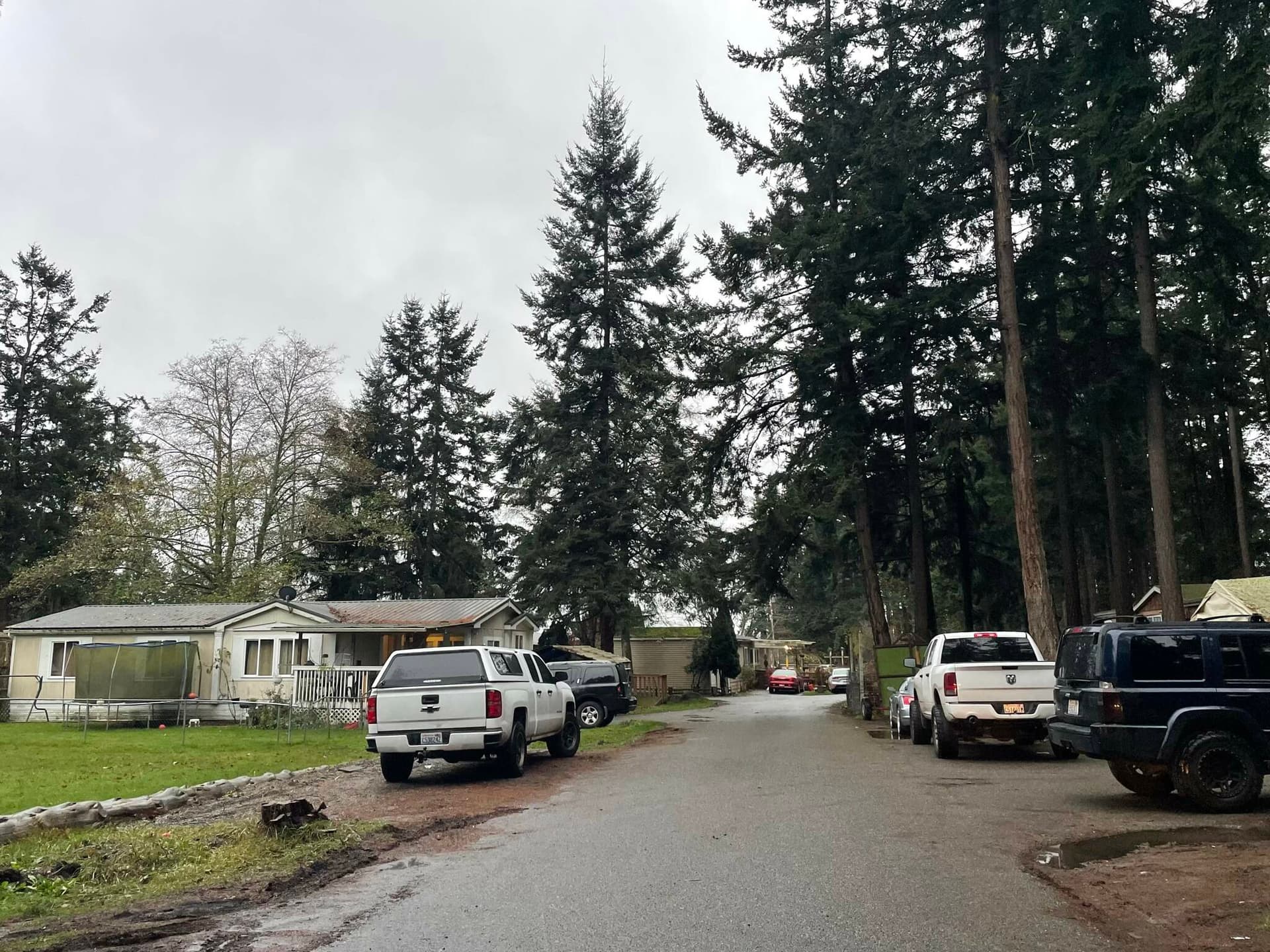
Oak Harbor city council declined to pursue annexation of Valley High Mobile Home Park, a small community of 56 mobile homes just north of the city, after a heated discussion about costs, zoning and public health. The vote was 5 to 1, with councilmember Eric Marshall the sole dissenting vote urging the city to 'find a way to yes' because tenants are suffering. With no action by the city, Island County Public Health will remain the lead agency on sanitation and code enforcement.
Tenants at the park report long standing sewage problems tied to a failed septic drain field, and say those failures have produced health impacts including rashes and hair loss. Park owners told council this week they expect drainage repairs to be completed by December 31 to meet county code. If those repairs are not completed, county public health retains the authority to pursue enforcement and remediation under its existing jurisdiction.
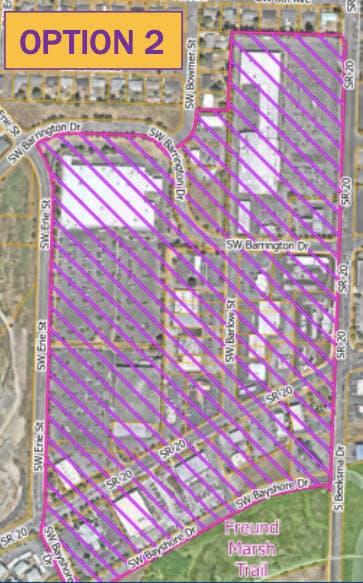
City staff and a majority of councilmembers argued annexation would not resolve the park's immediate sanitation failures and could transfer substantial costs to Oak Harbor taxpayers. The park is currently zoned industrial, and annexation into the city would render the residential uses nonconforming under city code. That status would trigger requirements for costly upgrades to utilities and infrastructure before the park could legally connect to city services. Council members emphasized those retrofit costs and the need for rezoning or variance processes as key barriers.

The decision leaves tenants in a precarious position. Without annexation, the property is unlikely to be connected to city utilities in the near term, and responsibility for ensuring safe sanitation remains with the county and the property owner. The council vote also highlights broader policy choices about how cities and counties coordinate on aging infrastructure within unincorporated or fringe properties, how zoning classifications affect vulnerable residents, and how costs are allocated between private owners, municipal taxpayers, and public health agencies.
Community leaders and affected residents will be watching county public health actions and the owners' December 31 repair timeline closely. The council's narrow dissent underscores ongoing tension between immediate public health needs and long term fiscal and regulatory responsibilities for municipal governments.