Olli Rehn Warns of Downside Inflation Risks, Urges Ukraine Funding
European Central Bank policymaker Olli Rehn warned that euro area inflation faces medium term downside risks even as it has returned close to the ECB's 2 percent target, and he urged EU leaders to finalize plans to use frozen Russian assets for Ukraine reconstruction. His comments matter for markets and fiscal policy because they highlight the tight legal boundary between central bank mandates and emergency EU fiscal measures, and they could shape decisions on interest rates and reconstruction financing.
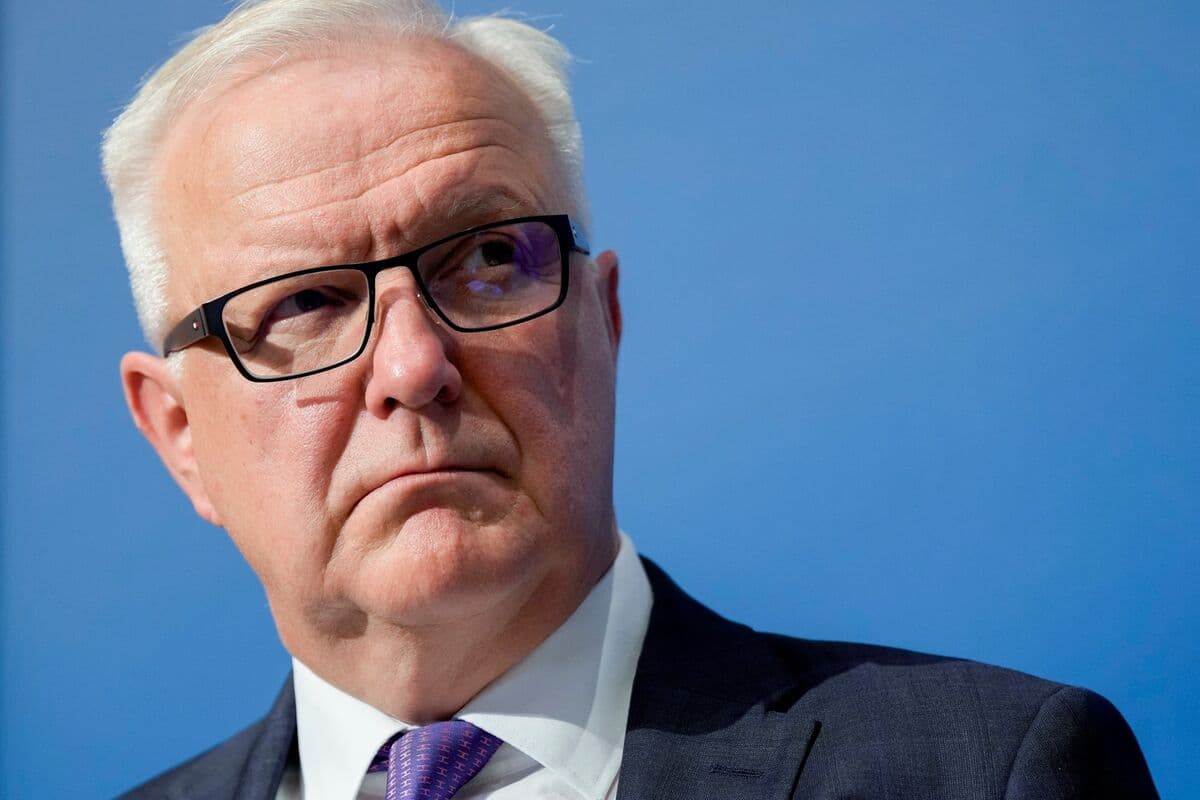
Olli Rehn, a prominent member of the European Central Bank's governing council, said on December 6 that the euro area faces a tangible risk of stagnating or falling inflation over the medium term despite recent disinflation that has brought inflation back toward the institution's 2 percent goal. He argued that a prolonged period of below target inflation would not be benign, but could erode incomes and weigh on growth through weaker demand and tighter labor market dynamics.
Rehn's intervention comes against the backdrop of a multi year swing in inflation across the euro area. After peaking at above 10 percent in late 2022, headline inflation has steadily eased as energy prices moderated and supply pressures abated. That return toward price stability is the ECB's stated objective, but Rehn emphasised that reaching the target is not the end of the story. He warned that if inflation stabilises below the target, real earnings, employment prospects, and long term growth could suffer as consumer spending and investment lose momentum.
The policymaker also pressed EU leaders to move forward on a politically sensitive plan to channel frozen Russian assets into Ukraine's reconstruction fund. Rehn said the idea would provide a tangible source of financing for Kyiv without breaching the ECB's strict legal limits on monetary financing of governments. Those limits arise from EU treaties that prevent central banks from directly funding member states or external reconstruction efforts, a legal separation that the ECB has repeatedly defended since the sovereign debt crises of the last decade.
Instead, Rehn backed the use of emergency EU fiscal mechanisms as the appropriate vehicle. Such measures would be implemented at the union level and could avoid placing the burden on the central bank, while providing financing for reconstruction and stabilisation in Ukraine. Finalising mechanisms to repurpose frozen assets will require consensus among member states and careful legal design to withstand court challenges and market scrutiny.
Markets are likely to watch closely. Renewed concerns about a shift from a low inflation environment to one of stagnation can alter expectations for future interest rates and bond yields across the euro area. Central bank communication that flags downside risks tends to slow markets' pricing for rate cuts, while concrete plans for large EU fiscal operations could affect sovereign borrowing needs and investor appetite for euro denominated debt.
Rehn's comments underline a broader policy tension for the euro area. Authorities must balance the immediate humanitarian and strategic imperative of funding Ukraine's reconstruction against long standing legal frameworks meant to preserve central bank independence and keep monetary and fiscal operations distinct. How EU leaders resolve that trade off will have implications for growth, fiscal balances, and the ECB's future policy path.
%3Amax_bytes(150000)%3Astrip_icc()%2F100901867_soybeans-60844bfb2b68432a8447f18fa34d28b5.jpg&w=1920&q=75)