OSHA Guidance Urges Retailers to Strengthen Workplace Violence Protections
Federal safety officials remind employers they must protect workers from recognized hazards under the General Duty Clause, including workplace violence, and lay out specific prevention program elements. For Walmart managers and staff this means conducting store and shift level risk assessments, adopting clear reporting and rapid response protocols, and documenting training and incident follow up to reduce risk and comply with enforcement expectations.
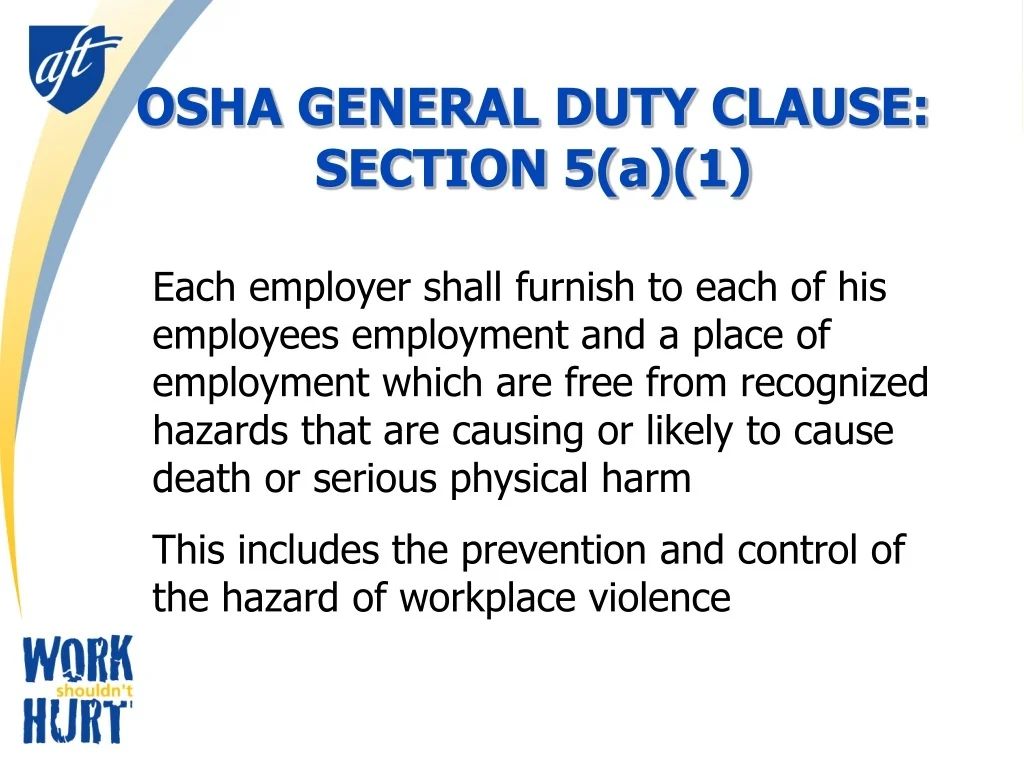
The federal Occupational Safety and Health Administration does not have a standalone workplace violence standard, but it makes clear that employers are required under the General Duty Clause, Section 5(a)(1) of the Occupational Safety and Health Act, to provide a workplace free from recognized hazards likely to cause death or serious physical harm. OSHA publishes detailed guidance and program elements employers should adopt to prevent and respond to workplace violence, and it can cite hazards when they are found during inspections.
Those program elements are practical and directly relevant to Walmart stores. OSHA recommends a hazard and incident history assessment for each store and shift, which helps identify times, locations, and activities that present the greatest risks. Employers are advised to implement clear incident reporting and rapid response protocols that specify how to contact local law enforcement and internal security. Training should be role specific, covering cashiers, asset protection associates, and managers, and organizations should conduct regular refresher drills.
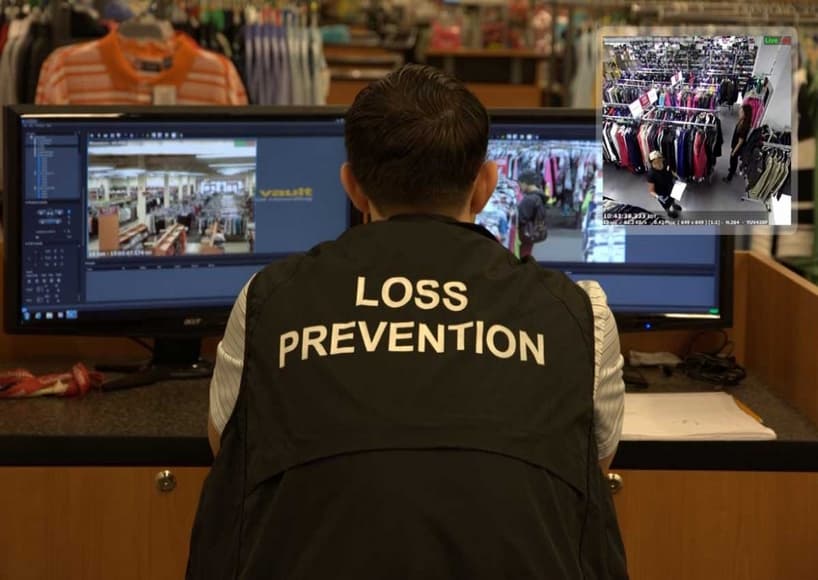
Engineering and administrative controls are emphasized as tools to reduce risk. Measures include improved lighting, store layout adjustments, panic buttons, comprehensive camera coverage, and procedures for safe rooms or lockouts where feasible. OSHA also highlights the importance of post incident support for employees, plus timely incident investigation and documentation to drive continuous improvement.

For frontline Walmart employees the guidance matters for safety, morale, and day to day operations. Clear protocols and training can reduce uncertainty during critical incidents, while environmental controls and timely support after an event can limit trauma and help retain staff. For managers and human resources teams, documented prevention efforts and incident follow up are also important to demonstrate good faith measures and to meet regulatory expectations during inspections.
OSHA provides industry specific recommendations for late night retail settings and other high risk sectors that retailers can tailor to their operations. Taking these steps now can strengthen worker safety, limit legal exposure, and create more predictable responses when incidents occur.
Sources:
Know something we missed? Have a correction or additional information?
Submit a Tip