Policy changes risk lower teen meningococcal vaccine coverage
Federal vaccine guidance changed while meningococcal cases rose; clinicians warn teens and communal-living San Franciscans may face higher risk.

Health officials are sounding the alarm after a recent rise in invasive meningococcal disease coincided with federal changes to adolescent vaccine recommendations, raising concerns that fewer teens will receive routine boosters. Infectious-disease clinicians worry the shift of some meningococcal vaccines into a shared decision-making framework could reduce default uptake of the 16-year-old booster and leave college-age and communal-living populations more vulnerable.
The nationally observed uptick involves several meningococcal serogroups and has prompted renewed attention to prevention. Meningococcal disease can progress rapidly from flu-like symptoms to life-threatening meningitis or bloodstream infection, and historical public-health campaigns that made meningococcal ACWY vaccination routine for preteens with a teen booster significantly cut disease burden. Public-health experts say narrowing universal language in federal guidance risks creating confusion among clinicians, parents, and school health officials about who should get which shot and when.
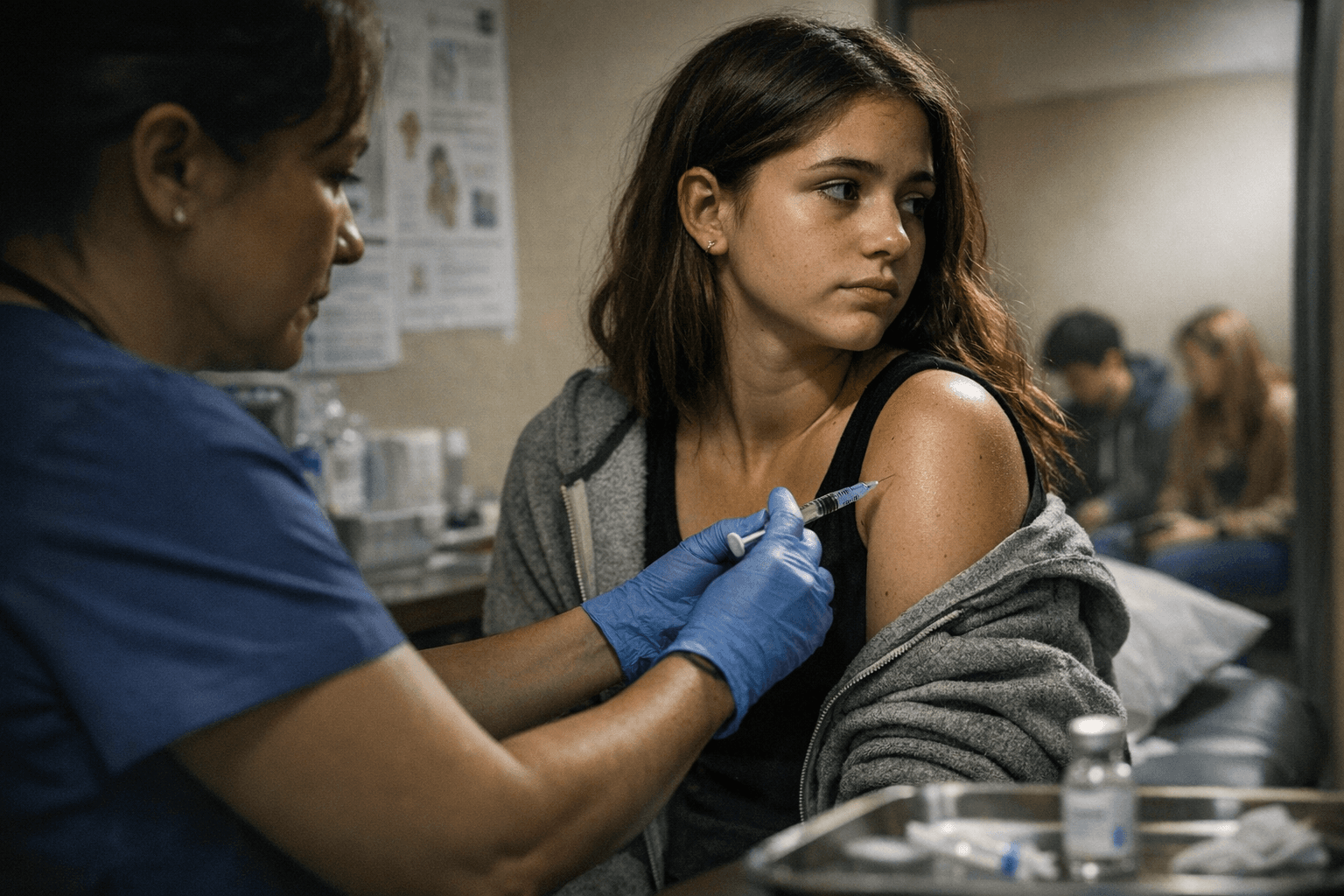
There are two main types of meningococcal vaccines in routine use: ACWY formulations that protect against serogroups A, C, W, and Y, and separate vaccines for serogroup B. Safety data collected over years show these vaccines are generally well tolerated and effective at preventing severe disease, but their power depends on high uptake in the adolescent age window and on timely boosters before periods of increased exposure such as college dorm life.
San Francisco faces distinct local stakes. The county’s dense college and university population, communal housing options like co-ops and fraternity and sorority housing, and congregate settings including shelters and detention facilities concentrate the risk that accompanies communal living. As students return to campus for the spring semester and move into shared housing, gaps in booster coverage could permit transmission chains that had been rare after widespread adolescent vaccination.
Clinicians here are being urged to clarify vaccine options during routine adolescent visits, to check immunization records for preteen ACWY doses and 16-year-old boosters, and to advise families about vaccination for those heading into dorms, shelters, or other communal settings. Public-health clinics and primary-care providers remain the front line for delivering shots and answering questions about timing and safety.
The takeaway? Check immunization records now and talk to your pediatrician or primary-care provider if you or a family member is approaching college age or will be living in shared housing. Our two cents? A quick vaccine check before move-in or the start of semester travel is a simple step that can protect you and others.
Sources:
Know something we missed? Have a correction or additional information?
Submit a Tip