UCSF links CXCR6 T cells to myocarditis risk from combo immunotherapy
UCSF researchers found CXCR6-expressing T cells implicated in myocarditis tied to anti-LAG-3 plus anti-PD-1 therapy. This could change monitoring and treatment for Bay Area cancer patients.
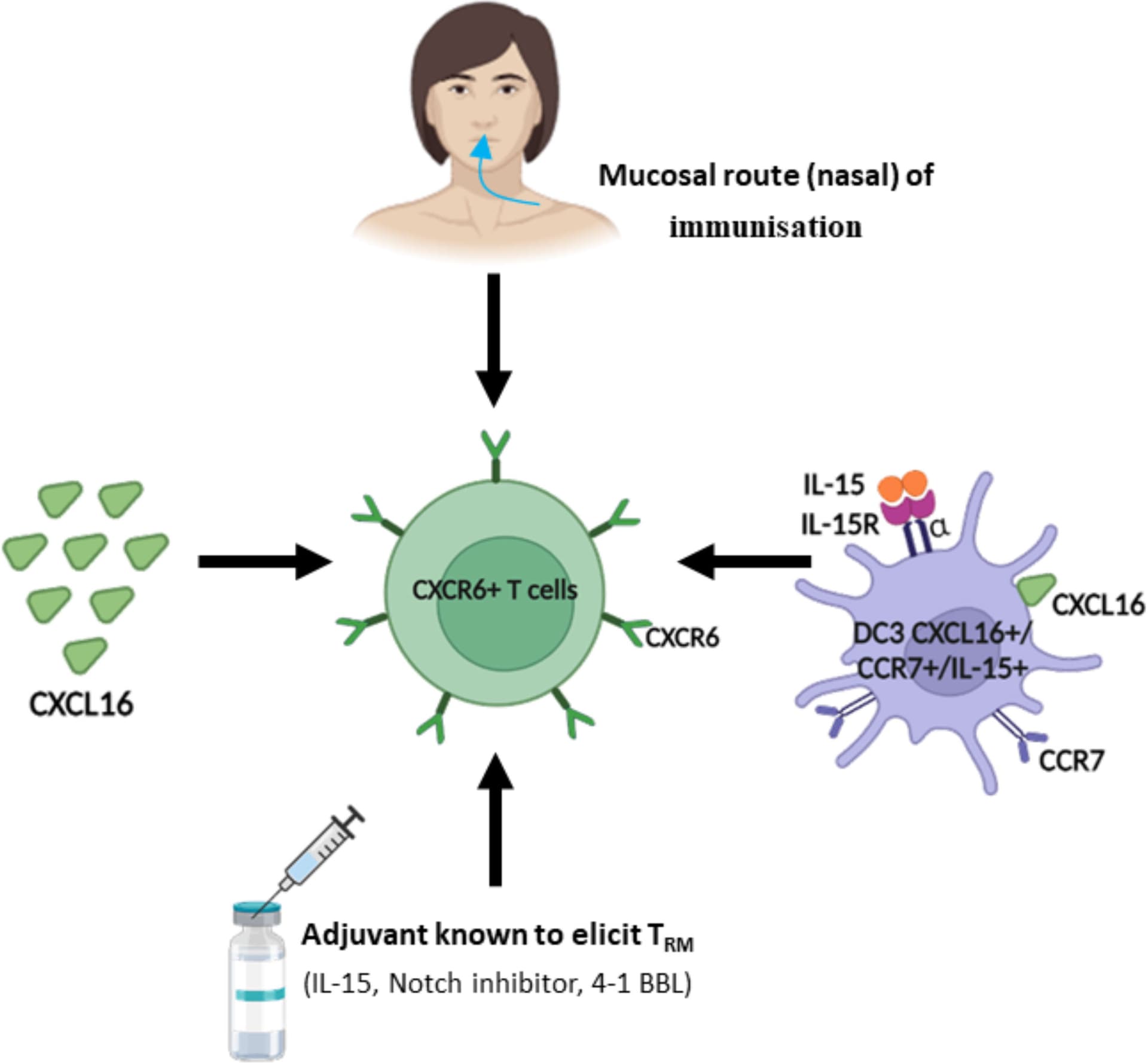
UCSF researchers reported that a specific subset of T cells may drive a rare but serious cardiac side effect seen when two checkpoint inhibitors are combined. Investigators analyzed safety reports and laboratory models and identified T cells expressing the chemokine receptor CXCR6 as a likely cause of immune checkpoint inhibitor myocarditis linked to anti-LAG-3 plus anti-PD-1 therapy.
The team began with pharmacovigilance data that showed a heightened myocarditis signal for the combination regimen compared with single-agent therapy. To probe mechanisms, researchers used laboratory models and mouse experiments. In mice, an antibody that blocks CXCR6 reduced cardiac inflammation and fewer arrhythmias were observed. Analyses of tissue from patients who developed myocarditis after checkpoint inhibitors supported the presence of CXCR6-expressing T cells in inflamed heart tissue. Taken together, the data suggest CXCR6 could serve as a target to prevent or treat this specific immune-related adverse event.
For San Francisco patients and clinicians, the findings matter because UCSF and other Bay Area cancer centers commonly use immune checkpoint inhibitors to treat a range of tumors. While myocarditis following checkpoint blockade remains rare, it can be life threatening and may present as chest pain, shortness of breath, or new irregular heartbeats. The new work points toward biological markers that could help identify patients at higher risk, and toward therapies that might blunt the cardiac inflammation without undoing anti-cancer effects.
Researchers emphasized next steps will include validating CXCR6 as a biomarker in larger patient groups and testing CXCR6-directed interventions in clinical settings. That pathway could lead to strategies that allow oncologists to keep powerful combination regimens available while reducing the small but serious cardiac risk. Until then, patient monitoring and early recognition of cardiac symptoms will be critical.

If you or a loved one are receiving combined immune checkpoint inhibitors, discuss cardiac monitoring and signs of myocarditis with your oncology team. Oncologists and cardiologists are increasingly collaborating in Bay Area hospitals to manage immune-related heart problems.
The takeaway? This is promising early science that narrows the search for what goes wrong in a rare complication; stay informed, ask about monitoring, and weigh risks and benefits with your care team. Our two cents? Knowledge beats panic — but vigilance matters.
Sources:
Know something we missed? Have a correction or additional information?
Submit a Tip

