Pope Leo XIV Condemns 'Diplomacy Based on Force' Urges Venezuela Rights
In an unusually forceful annual address to the diplomatic corps, Pope Leo XIV warned that the post-World War II prohibition on aggressive force is eroding and called for urgent protection of human rights in Venezuela. His comments, delivered largely in English before 184 ambassadors at the Apostolic Palace, signal a sharper Vatican stance on war, multilateralism and social issues with implications for global diplomacy.
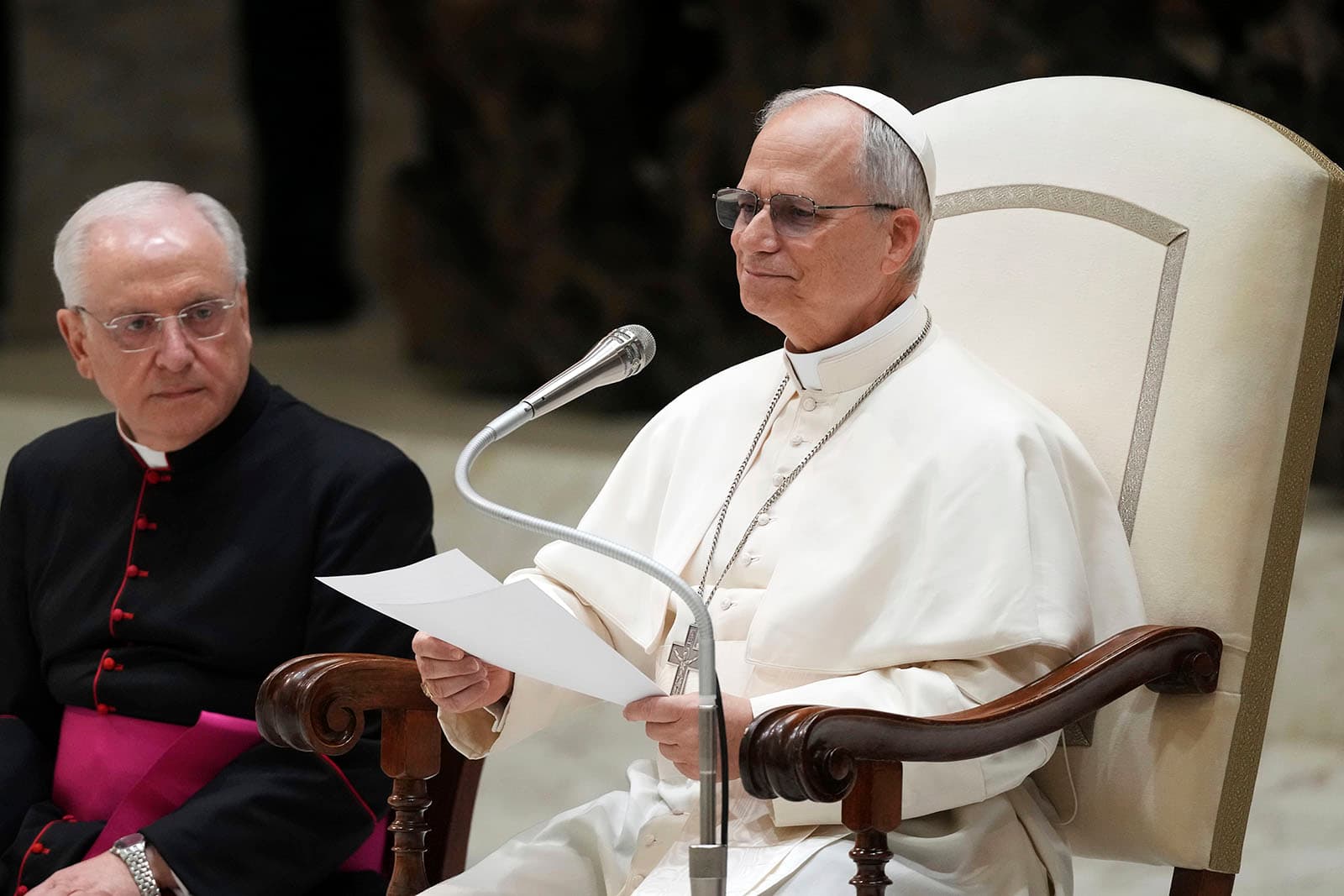
Pope Leo XIV used the Holy See's traditional foreign policy audience on Jan. 9 to deliver an unusually fiery critique of the rising use of military force in international relations and a pointed appeal for the defense of human rights in Venezuela. The roughly 43-minute address, given before some 184 ambassadors accredited to the Vatican, departed from diplomatic convention in both tone and language, with much of the speech spoken in English.
The pontiff framed his intervention as a moral and legal warning to states that rely on strength rather than institutions to settle disputes. "A diplomacy that promotes dialogue and seeks consensus among all parties is being replaced by a diplomacy based on force," he said, adding that "War is back in vogue and a zeal for war is spreading." He charged that the post-World War II principle barring the use of force to alter borders "has been completely undermined," and cautioned that seeking peace "through weapons as a condition for asserting one’s own dominion… gravely threatens the rule of law, which is the foundation of all peaceful civil coexistence."
The pope singled out Venezuela as a test of international responsibility, urging a political solution that puts the public interest ahead of party advantage. He called for a settlement that emphasizes "the common good of the peoples and not the defense of partisan interests," and asked states to "respect the will of the Venezuelan people, and to safeguard the human and civil rights of all." His appeal came amid wider anxiety about democratic backsliding, humanitarian distress and foreign interventions that have intensified scrutiny of how outside powers engage fragile states.
Beyond geopolitics, Leo addressed a broad human rights agenda. He warned that freedom of expression is "rapidly shrinking" in Western countries and stressed respect for religious liberty. He also used unusually firm language to condemn abortion, euthanasia and surrogate births, reaffirming traditional Vatican positions on contested social questions even as he linked those stances to broader concerns about human dignity.
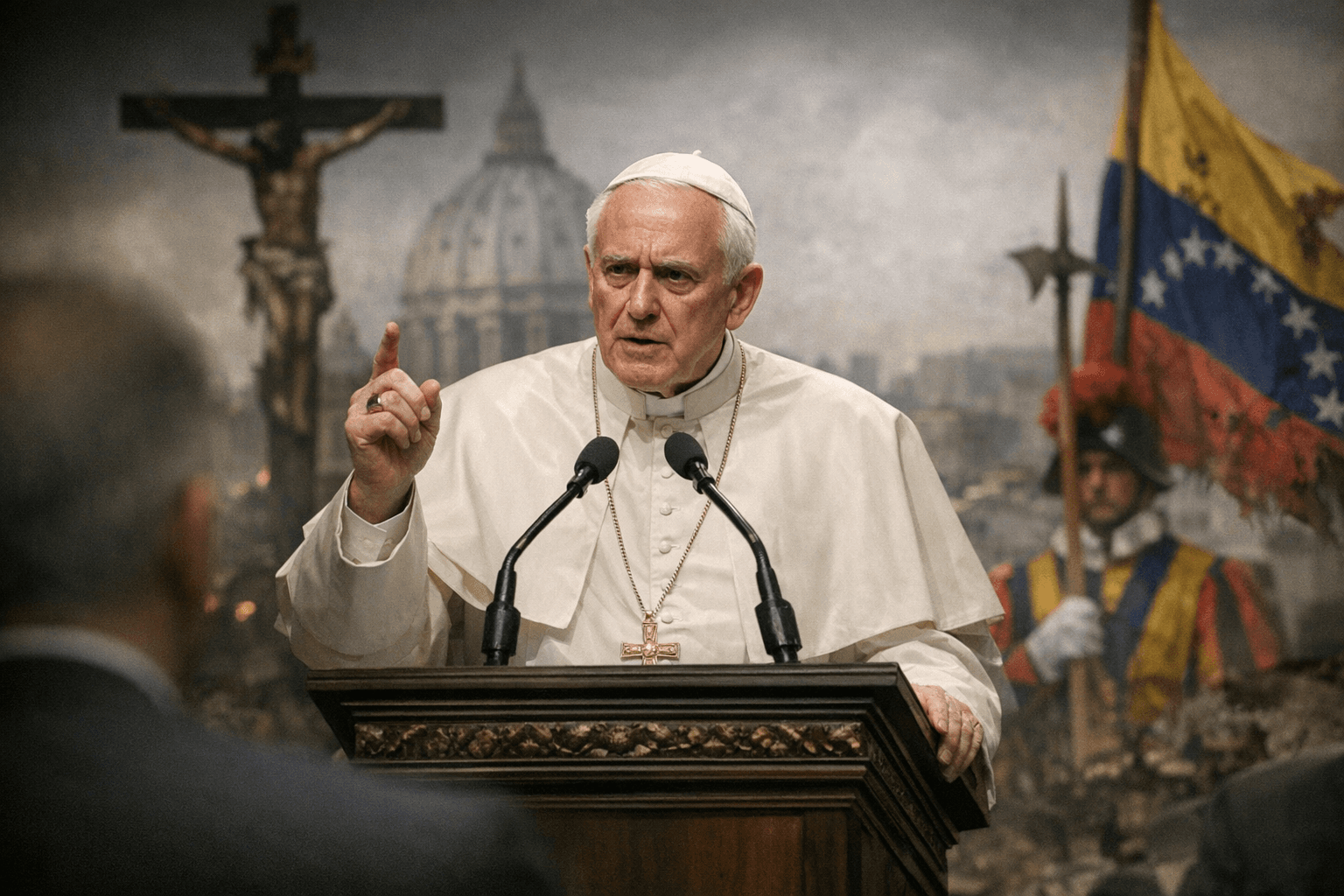
Observers noted the contrast between the fiery content of Jan. 9 remarks and the more muted, conciliatory tone the pontiff adopted during the early months of his papacy. Elected in May 2025, Leo XIV is the first U.S. pope, formerly U.S. Cardinal Robert Prevost, who served for decades as a missionary in Peru. He has at times criticized past U.S. policies on immigration, but he did not name any country in Friday’s address.
The speech underscores a Vatican intent to influence international debate over norms and institutions at a time of heightened global tension. By invoking legal principles, human rights and theological sources, Leo sought to reposition the Holy See as a vigorous advocate for multilateral rule and for vulnerable populations caught between great-power rivalry and internal political fractures. How governments respond will shape the Vatican’s diplomatic leverage in the months ahead.
Sources:
Know something we missed? Have a correction or additional information?
Submit a Tip