U.S. Withdraws Support from 66 International Organizations, White House Says
The White House announced that President Donald J. Trump has ordered U.S. participation and funding halted for 66 international bodies, citing a yearlong review that found many to be "contrary to the interests of the United States." The decision touches climate, migration, and development institutions and raises immediate questions about treaty obligations, diplomatic notice and the future of global cooperation on shared challenges.
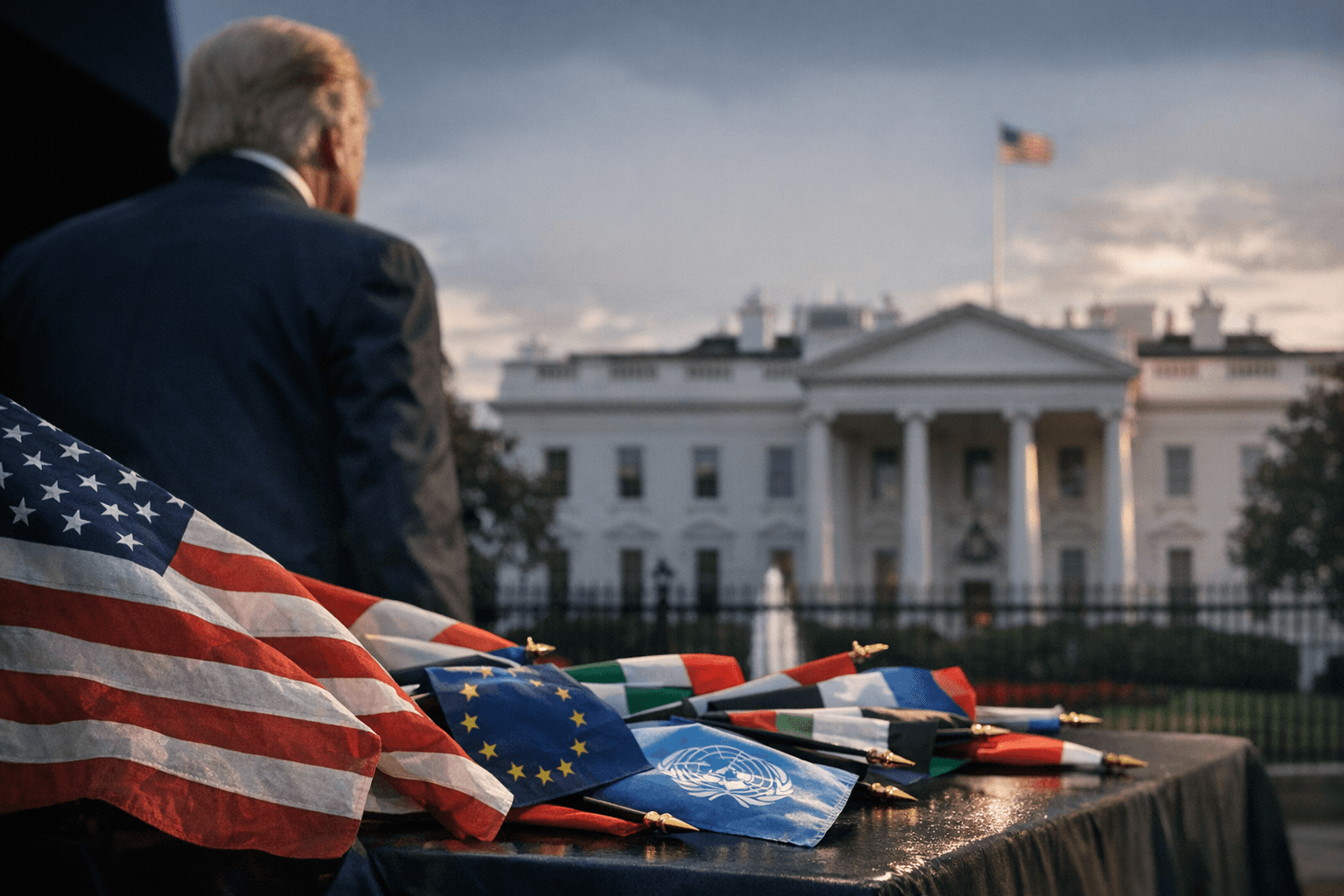
On Jan. 7 and Jan. 8, the White House published a fact sheet and issued a presidential memorandum directing executive departments and agencies to cease participating in and funding 66 international organizations identified by a yearlong review carried out under Executive Order 14199. The White House framed the action as a reallocation of taxpayer dollars away from bodies that "no longer serve American interests," and described many institutions as operating "contrary to U.S. national interests, security, economic prosperity, or sovereignty" or as being "redundant," "mismanaged," "wasteful," or "captured" by agendas at odds with U.S. priorities.
The memorandum applies to a mix of 31 U.N. entities and 35 non-United Nations organizations. Among the bodies listed are the U.N. Framework Convention on Climate Change and the U.N. Population Fund, moves that sharply complicate long-running global discussions on climate policy and sexual and reproductive health services. The State Department, in a statement attributed to Secretary of State Marco Rubio, said the announcement was made "in furtherance of Executive Order 14199" and that the review identifying the organizations would continue beyond the initial list.
The White House said the directive was intended to end what the administration described as funding for institutions that advance "globalist agendas over U.S. priorities." Yet the action has immediate practical and legal uncertainties. The memorandum orders agencies to halt participation and funding, but it does not, in the materials released, lay out a timetable for winding down contributions or resolve complex treaty and contractual obligations that bind the United States to some multilateral commitments.
Diplomats at the U.N. and officials in capitals reported learning of the decision through the White House fact sheet and social media posts before receiving formal diplomatic notifications. U.N. spokesman Stéphane Dujarric said the United Nations had not been formally notified of the move and that many U.N. officials were declining to comment while they awaited official communications. Questions about implementation — including whether the withdrawals will be immediate, phased, or subject to legal challenge — remain open.
The decision follows a pattern of disengagement under this administration from several global frameworks and programs, and it is likely to resonate unevenly across regions. For countries that rely on U.N. agencies for climate finance, humanitarian assistance and family planning services, the disruption could be acute. For allies who prioritize multilateral institutions as tools of diplomacy, the move signals a renewed U.S. preference for bilateral arrangements and domestic control over international commitments.
The cut also promises diplomatic fallout. International organizations and partner governments are now assessing operational gaps and looking for alternative funding and leadership. Former White House National Climate Adviser Gina McCarthy criticized the action as "shortsighted, embarrassing, and a foolish decision," reflecting concerns among some former officials and advocacy groups about the erosion of U.S. influence in global forums.
Administration officials say the broader review under Executive Order 14199 will continue and that further organizations may be added to the list. For now, diplomats, aid agencies and legal teams are preparing for a period of negotiation and uncertainty over what this withdrawal will mean in practice for cooperation on climate, migration, public health and development.
Know something we missed? Have a correction or additional information?
Submit a Tip