Supreme Court Delays Decision on Legality of Trump Global Tariffs
The U.S. Supreme Court on Jan. 9 did not issue an opinion in consolidated cases challenging President Trump’s broad tariffs, leaving the measures in place and prolonging legal uncertainty for businesses, consumers and trading partners. The delay keeps in play a test of presidential emergency authority with potential consequences for U.S. domestic policy and global trade relations.
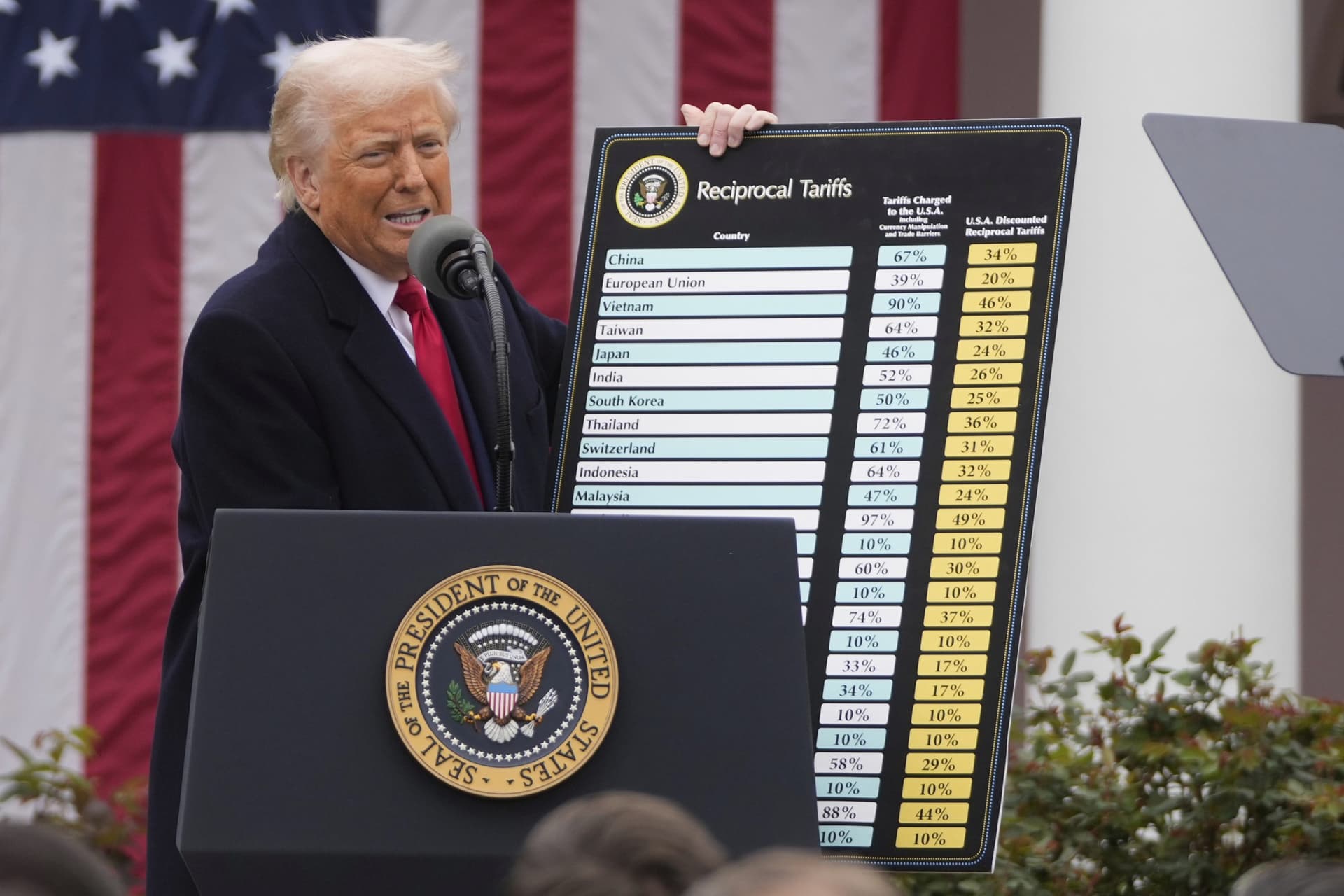
Washington — The U.S. Supreme Court on Friday did not release a ruling in the high-profile litigation testing whether President Donald Trump lawfully used the International Emergency Economic Powers Act to impose sweeping global tariffs. The justices issued a single opinion in an unrelated criminal case but made no announcement on the tariff cases, leaving the contested measures intact for now.
The cases, brought by affected businesses and a coalition of 12 states, most governed by Democrats, ask whether the 1977 statute authorizes a president to use declared national emergencies to impose wide-ranging tariffs. Lower courts had moved to block or constrain the tariffs, prompting the administration to appeal directly to the Supreme Court. The court heard oral arguments in the consolidated matters on Nov. 5, 2025, when several justices across ideological lines appeared skeptical of the administration’s statutory theory.
On an opinion day when the court sometimes posts decisions when the justices take the bench, the justices instead released only the criminal opinion and remained silent on the tariff litigation. The court does not disclose in advance which cases it will decide on any given opinion day, and it is unclear when an opinion in the tariff challenge will be announced. Until the Supreme Court acts, the tariffs imposed under the administration’s IEEPA rationale remain in effect, continuing to affect prices, supply chains and commercial planning.
The litigation has taken on outsized importance because it directly tests the scope of presidential emergency powers. A ruling for the challengers would narrow the reach of IEEPA and constrain one of the administration’s preferred tools for rapid economic action. A ruling for the administration would validate a broad executive power that critics warn could be used to reshape trade policy without Congress. Observers have noted the potential ripple effects for consumer prices, financial markets and diplomatic relations as trading partners and multinational firms adjust to an uncertain policy environment.
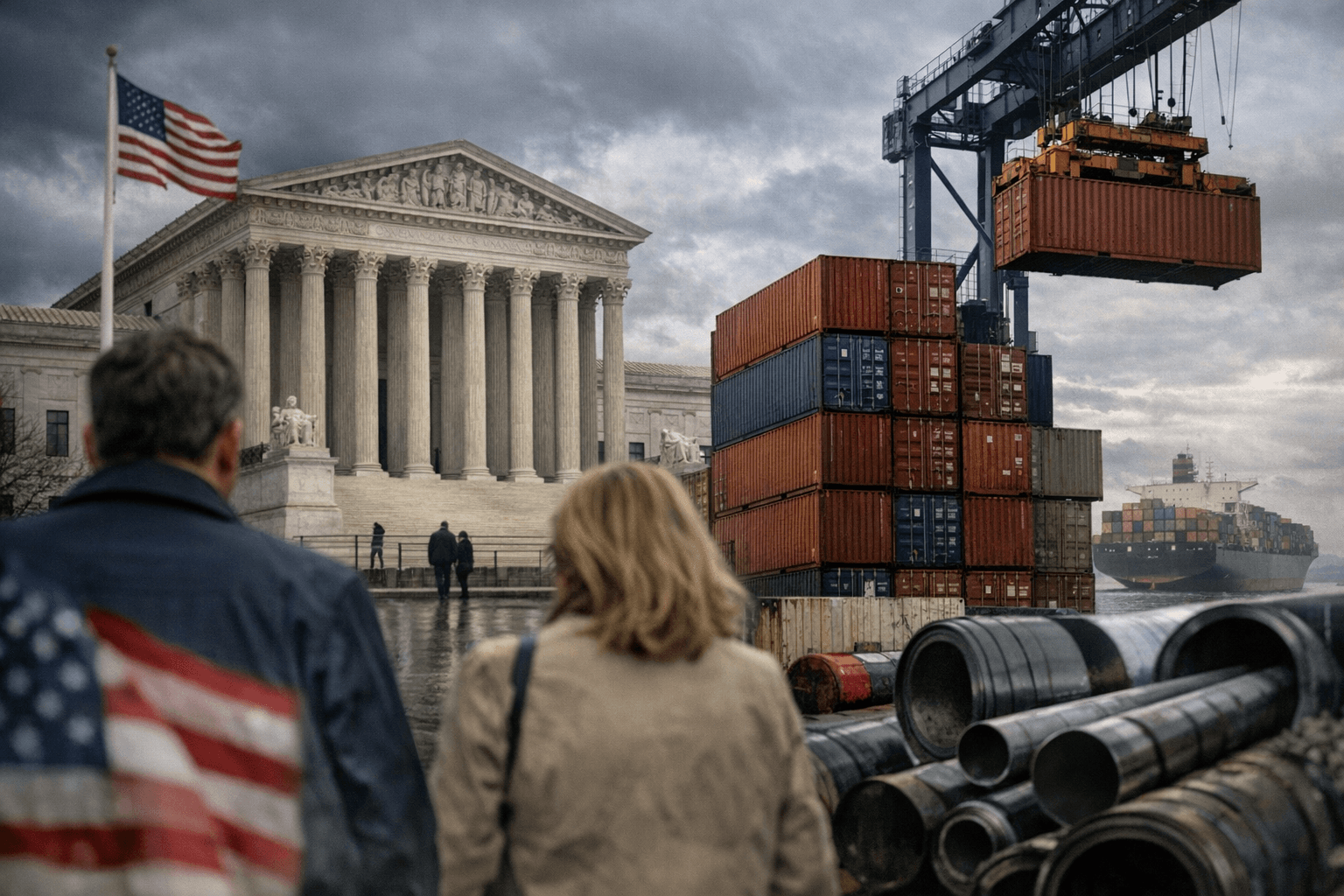
The White House has publicly signaled confidence in prevailing before the justices. White House economic adviser Kevin Hassett said the administration expects to win and that officials had been developing contingency plans in case the court rules against the emergency-authority theory, including identifying alternative legal tools to pursue similar policy aims. Administration principals held a planning call on Thursday night to discuss possible next steps.
The Supreme Court’s current 6-3 conservative majority adds an additional layer of scrutiny from analysts who have been watching the bench for willingness to check expansive assertions of executive power since President Trump returned to office in January 2025. The tariff cases join a slate of consequential matters pending before the court, including challenges to a key section of the Voting Rights Act and a Colorado law banning conversion therapy for minors.
Markets, businesses and foreign governments will be watching any future opinion day closely, aware that a decision could reshape trade relations and the boundaries of executive action. For now, uncertainty continues to be the operative condition for companies that must price goods, plan logistics and negotiate with partners around the world.
Sources:
Know something we missed? Have a correction or additional information?
Submit a Tip