Preliminary Avian Influenza Found in Native Hawaiian Duck on Kauaʻi
State agencies reported on December 11 that preliminary testing detected influenza A in a Koloa maoli found sick in late November at the Hanalei National Wildlife Refuge, and confirmation of the virus subtype is pending. The finding matters to Kauaʻi residents because it is the first potential detection in a native Hawaiian duck, it raises concerns for backyard and commercial poultry, and it signals the need for heightened vigilance around wildlife and food security.
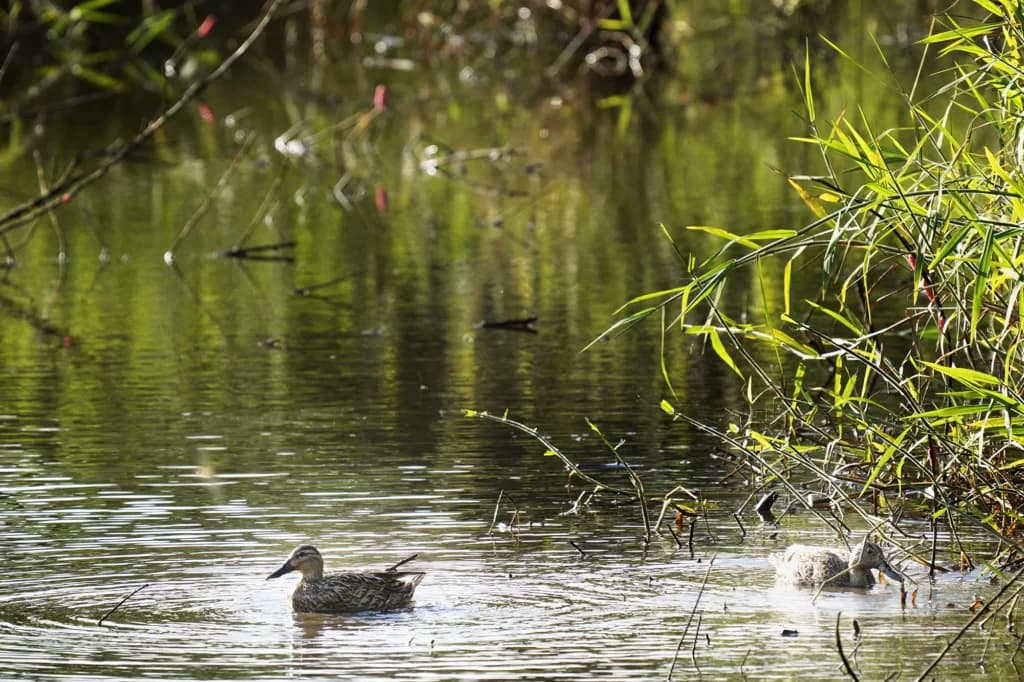
State natural resource and public health officials said preliminary laboratory testing identified influenza A in a Koloa maoli Hawaiian duck that was discovered sick on November 26 at the Hanalei National Wildlife Refuge and died within 24 hours. Further testing at the National Veterinary Services Laboratories is underway to determine the specific subtype, for example H5N1. Officials described this as the first potential detection of avian influenza in a native Hawaiian duck and the third presumptive avian influenza finding in the state this year.
Officials advised the public to avoid touching or handling wild birds and to report sick or dead birds so that agencies can monitor spread among wild populations and poultry operations. State agencies are coordinating surveillance efforts for backyard and commercial flocks, and they are monitoring wild bird populations on Kauaʻi to assess risks and patterns of transmission. Human risk is described as low, but contact with infected birds can pose risk, particularly for people who handle birds without protective measures.
The local public health and agricultural implications are immediate for small farmers and households that rely on backyard poultry for food and income. Even when human risk is low, detection of avian influenza in wildlife can lead to movement restrictions, increased testing requirements, and uncertain market impacts for producers. For Native Hawaiian communities cultural ties to native species add a layer of concern, and equitable outreach is important to ensure information reaches residents across languages and income levels.
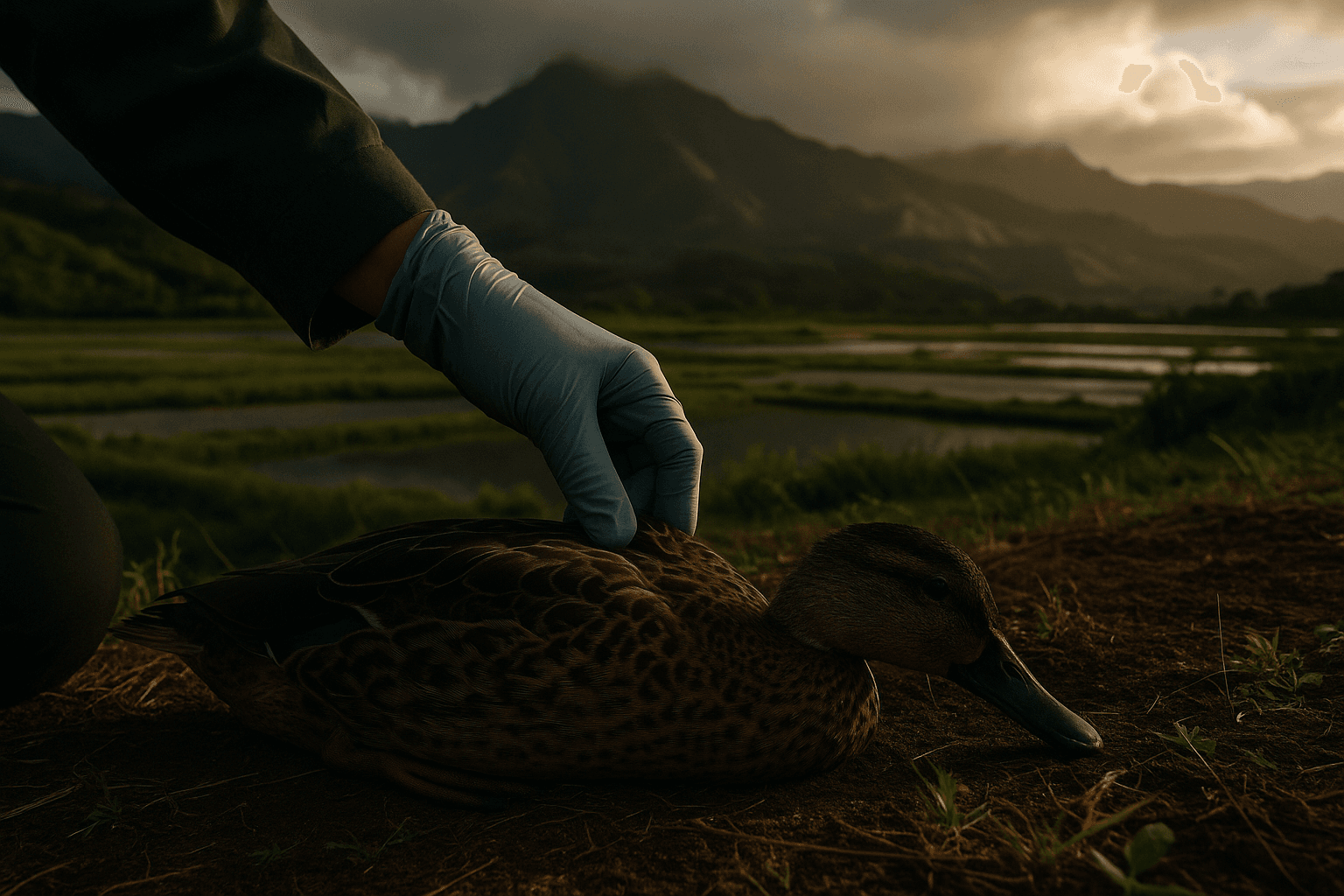
Kauaʻi residents who encounter a sick or dead wild bird are asked to report the finding online at https://dlnr.hawaii.gov/blog/2025/12/11/nr25-141 and to avoid direct contact. Poultry owners should review biosecurity practices and contact their veterinarians or the Kauaʻi agricultural extension if flocks show illness. As officials await subtype confirmation, local health agencies emphasize vigilance, practical precautions, and equitable support for communities most vulnerable to economic and food access disruptions.
Sources:
Know something we missed? Have a correction or additional information?
Submit a Tip