Preparing for Utqiagvik Visits, Safety and Community Considerations
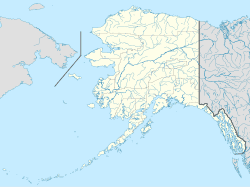
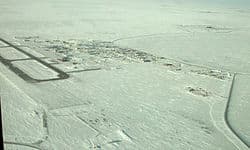
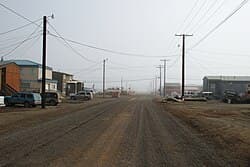
Travel to Utqiagvik requires planning because flights are seasonal and weather can disrupt schedules, while ground access from the rest of the state is not possible. Visitors and new arrivals should prepare for extreme cold, polar night conditions, limited local supplies, and cultural protocols that protect subsistence practices and community health.

Visitors and residents of Utqiagvik face unique logistical and public health realities that require advance planning and community awareness. Flights to BRW Utqiagvik are limited and seasonal, and there is no ground route from the rest of Alaska. Weather related cancellations and delays are common, which can affect access to medical care, medication resupply, and emergency evacuation. Samuel Simmonds Memorial Hospital provides regional health services locally, but complex cases often depend on weather sensitive medical evacuation or transfer options, so contingency planning matters for anyone with chronic health needs.
The town experiences polar night during winter, with little to no sunrise for a period centered on December and January. Limited daylight and prolonged darkness can affect mental health and daily routines, increasing the need for local supports and services. Iḷisaġvik College and North Slope Borough municipal programs play important roles in community education and outreach, offering events and services that help residents navigate seasonal challenges and stay connected to resources.
Subsistence culture and whaling seasons remain central to community life and food security. Visitors should respect local Iñupiaq practices, ask permission before photographing people or private property, and be mindful of timing around hunts and community activities. These cultural norms are also part of equitable public health practice, since subsistence harvesting supports nutrition and resilience in ways that formal markets cannot replace.
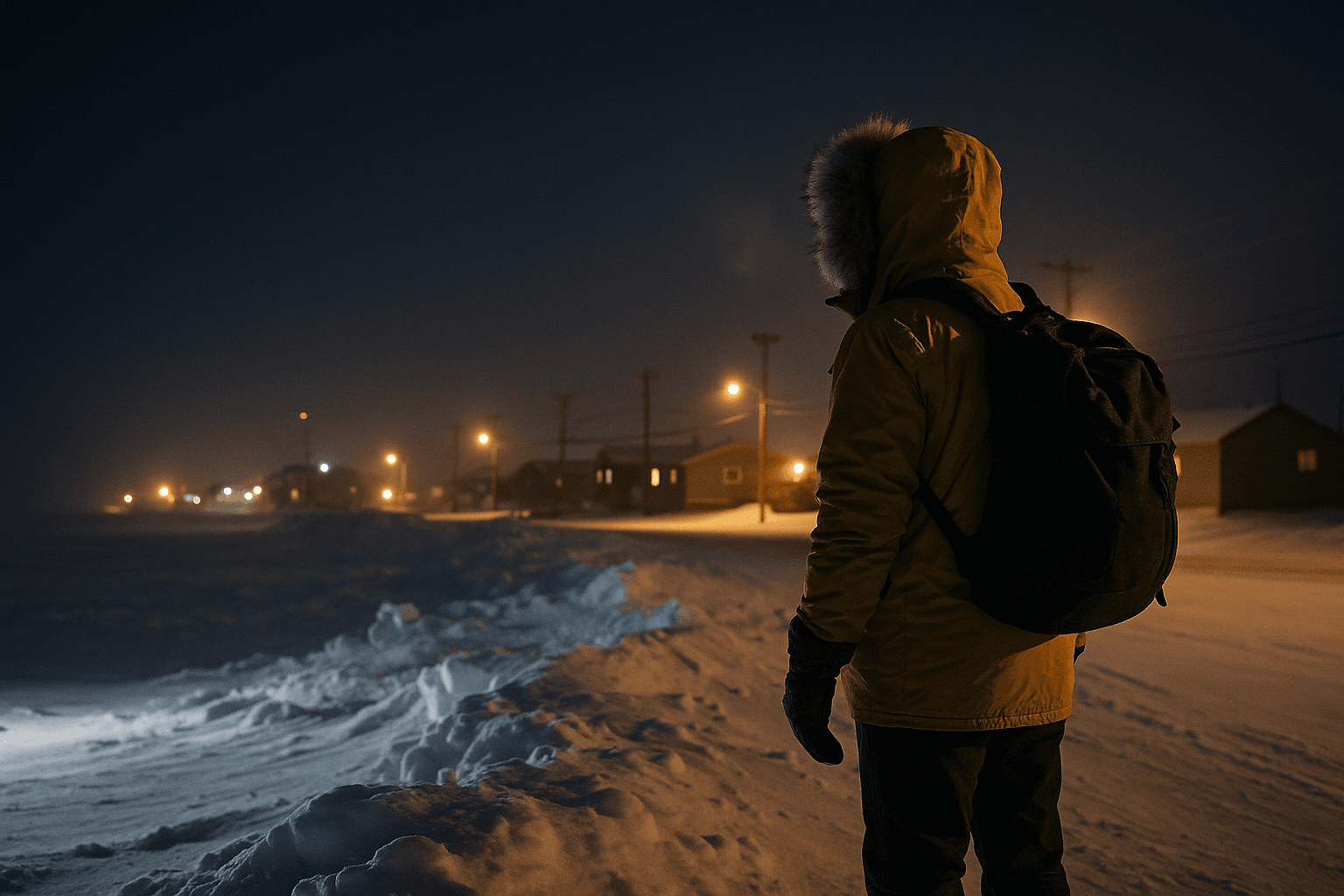
Supply limitations at local stores and fuel outlets mean visitors and new residents should carry contingencies, particularly for medications, heat sources, and travel fuel. Outdoor safety requires preparation for extreme cold and reliable emergency equipment including satellite communication, spare fuel, and warm layers. Before undertaking long hunts or travel on sea ice, check with local authorities for current conditions and guidance.
The combination of limited transportation, constrained local supplies, and strong subsistence traditions creates both challenges and resilience for the North Slope Borough. Strengthening predictable transportation links, supporting local health infrastructure, and centering Iñupiaq priorities in policy decisions are ongoing needs to ensure safety, equity, and community wellbeing for residents and those who come to visit.