Regional Water Authority Off the Table; Work Group Eyes Alternatives
A newly convened 13-member Baltimore Regional Water Governance Model Work Group announced on January 8 that creating a standalone regional water authority is not feasible because of legal and financial obstacles. The panel, chaired by Baltimore Comptroller Bill Henry, will instead study lower-cost governance and oversight options aimed at improving coordination, addressing billing and infrastructure problems, and protecting city assets, with a final report due by the end of 2026.

A state-mandated work group that opened its work on January 8 concluded that a standalone regional water authority for Baltimore and surrounding counties is not a practical path forward, citing legal and financial barriers. The 13-member Baltimore Regional Water Governance Model Work Group, chaired by Baltimore Comptroller Bill Henry, said it will pivot to examining more limited, lower-cost regional governance and oversight approaches intended to improve interjurisdictional coordination on water infrastructure and billing.
The decision removes the most ambitious structural option from active consideration and focuses attention on incremental models that could reduce duplication, streamline decision-making, and strengthen protections for municipal assets. The work group is required to deliver a final report by the end of 2026, a timeline that gives members time to evaluate options, estimate costs, and weigh trade-offs for city finances and labor agreements.
Background proposals for regionalization have long been discussed in Baltimore’s policy circles; those earlier concepts were hampered in part by high projected transaction costs. Previous estimates placed potential transaction costs in the billions, a figure that factored into the work group’s determination that a full regional authority would be difficult to execute under current legal and fiscal conditions. That assessment raises immediate implications for city policymakers who have been under pressure to resolve chronic billing errors, aging pipes and treatment capacity, and intergovernmental disputes over responsibilities and payments.
Advocacy groups and municipal officials who favor stronger regional cooperation welcomed a renewed focus on practical alternatives but expressed concern about potential impacts on Baltimore’s fiscal health and labor forces. Any governance changes that shift assets, revenues, or operational control could affect city budgets, bond ratings, pensions, and collective bargaining arrangements, underscoring the stakes for municipal workers and ratepayers.
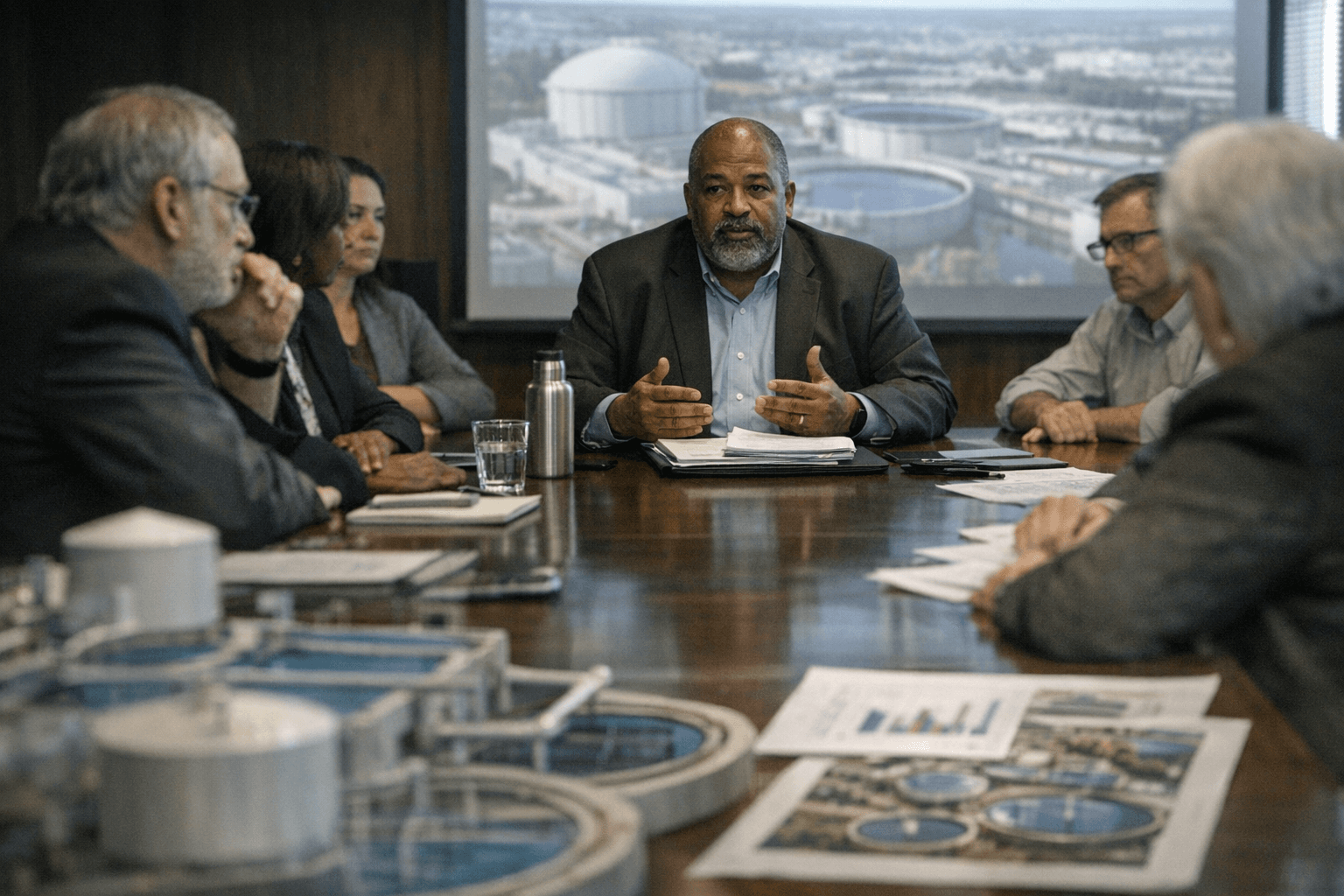
For residents, the work group’s exploration could yield concrete proposals to reduce billing errors, accelerate needed capital repairs, and improve accountability in water service delivery without undertaking a disruptive legal and financial restructuring. For elected officials, the process will demand transparent cost estimates, clear protections for city assets, and meaningful engagement with labor and neighboring jurisdictions.
The work group’s next phase will analyze governance options, estimate costs and benefits, and solicit stakeholder input over the coming months. Its final recommendations, due at the end of 2026, will shape whether Maryland moves toward modest regional oversight mechanisms or pursues alternative reforms to secure water service reliability and fiscal stability for Baltimore City.
Sources:
Know something we missed? Have a correction or additional information?
Submit a Tip