Russia expels British diplomat accused of acting as undeclared intelligence officer
Moscow revoked a British envoy's accreditation and ordered him to leave within 14 days, accusing him of secret intelligence work; London calls the charge baseless and is weighing a response.

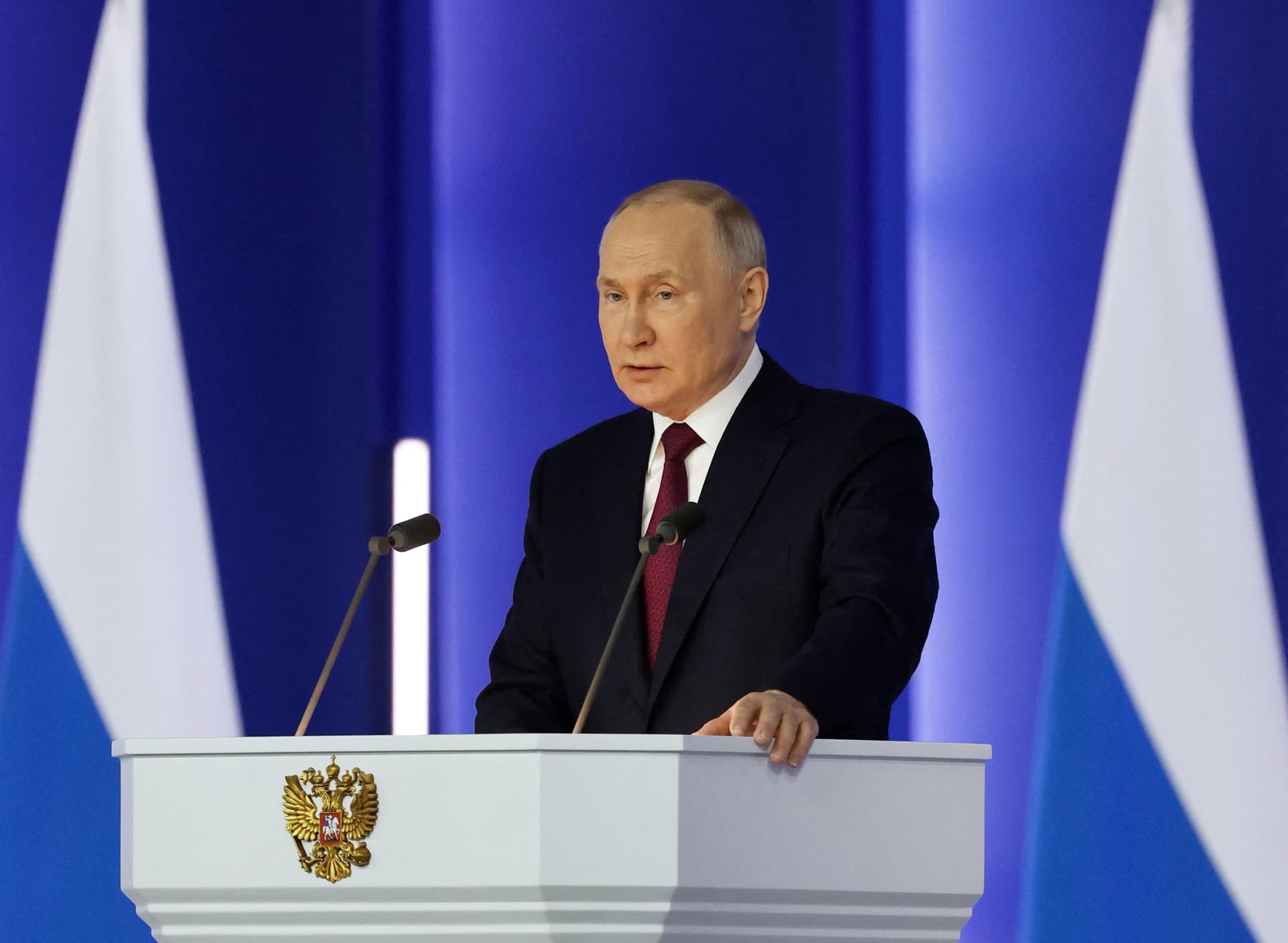
Moscow has revoked the accreditation of a British diplomat at the U.K. Embassy and ordered the individual to leave the Russian Federation within 14 days, announcing that a counterintelligence operation by the Federal Security Service (FSB) found him to be an undeclared officer of British intelligence. The Russian Foreign Ministry summoned the United Kingdom’s senior on‑site diplomat in Moscow to lodge a formal protest and warned that further escalation by London could draw a reciprocal response.
Russian statements identified the envoy as a 45‑year‑old man named Gareth Samuel Davis, with some reports using the variant spelling Gareth Samuel Davies. Officials described him as holding the title of Second Secretary in the Administrative and Economic Department and said he had been sent to Moscow "under the cover" of a diplomatic posting. The ministry said the accreditation was revoked under the 1961 Vienna Convention on Diplomatic Relations, which allows a receiving state to declare members of a foreign mission unacceptable.
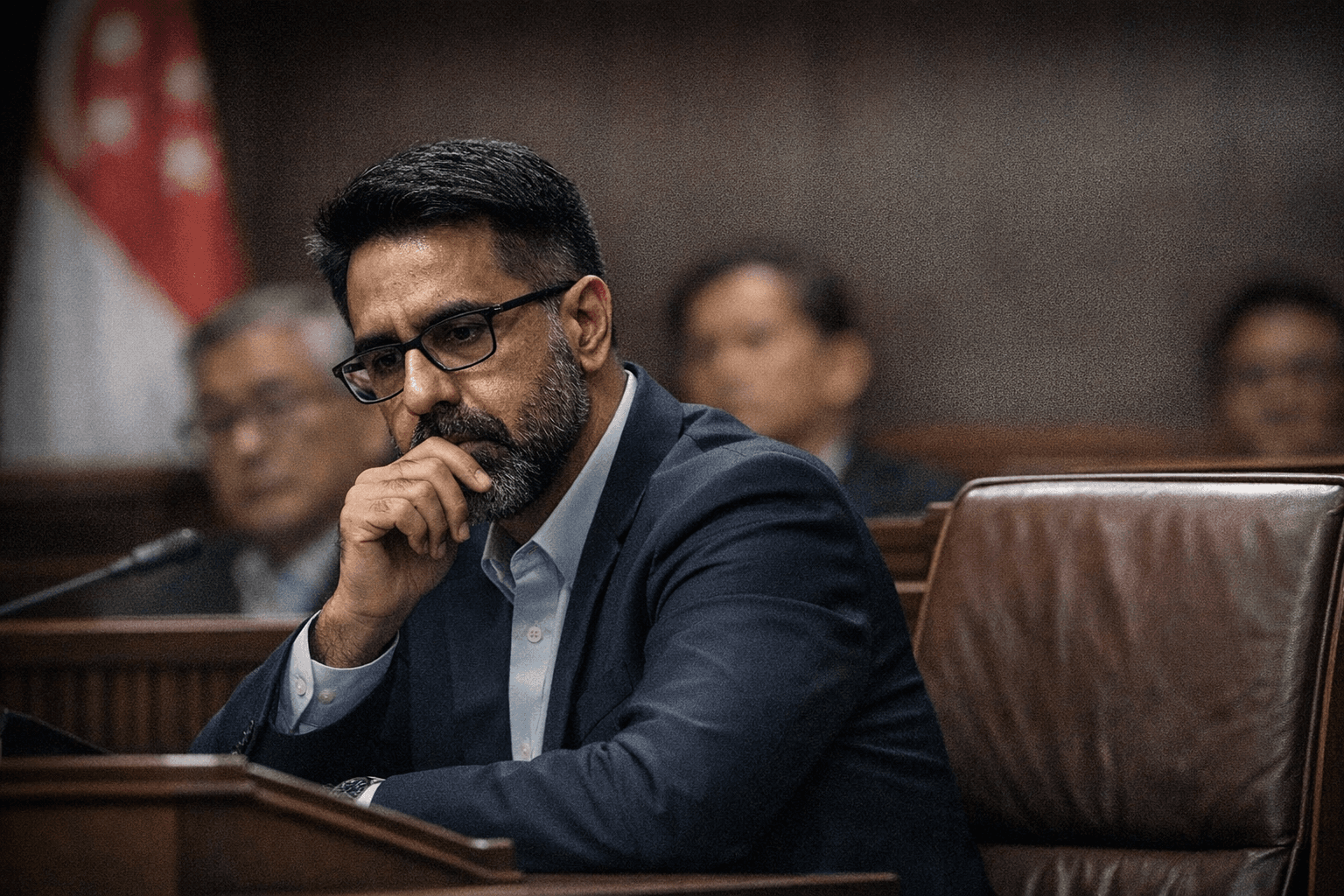
The British Foreign Office dismissed the espionage allegation as malicious and baseless and said it was carefully considering how to respond. The British Embassy in Moscow described the expulsion as unfounded and politically motivated. The senior U.K. mission official summoned to the Russian Foreign Ministry was identified in different accounts as Danae Dholakia, variously described as deputy head of mission or as the chargé d’affaires; Russian and international statements recorded those title differences.
Russian officials framed the move as a lawful security measure and warned that any attempt by London to "escalate the situation" would be met with a decisive mirror response. The FSB announcement and Foreign Ministry statements provided the identification and accusation but did not publish supporting evidence, and no independent public documentation has been released to substantiate the espionage claim. Reporting also varied on precise name spelling and the exact diplomatic title of the U.K. official summoned.

The expulsion is the latest episode in markedly strained relations between Moscow and London since Russia’s full‑scale invasion of Ukraine in February 2022. Diplomatic ties have been punctuated by a pattern of reciprocal expulsions and public accusations of spying. Russian media and observers have noted that at least nine British diplomats were expelled since 2024, and that Moscow expelled two British diplomats in March 2025 on similar allegations. The U.K. has consistently rejected such claims and pledged to respond appropriately to individual actions against its mission.
Practically, the order requires the diplomat to depart Russia within two weeks, and the formal summons underscores Moscow’s intent to present the revocation in diplomatic terms. For the British mission, the removal of a staff member designated as a Second Secretary in an administrative role may complicate daily operations and adds a procedural burden at a time when consular and bilateral channels are already constrained.
Under the Vienna Convention, a host government may act unilaterally in declaring a diplomat persona non grata, but such measures also risk further narrowing space for routine diplomacy. In a geopolitical climate where security accusations carry heavy political weight, the incident underscores how counterintelligence claims can become instruments of statecraft with immediate consequences for bilateral relations and for the safety and functioning of embassy staff.
Sources:
Know something we missed? Have a correction or additional information?
Submit a Tip