Russia presses U.S. for reply as last major arms pact nears expiry
Russia says it is still waiting for Washington to answer Putin’s September offer to extend New START by a year as the treaty approaches expiration.
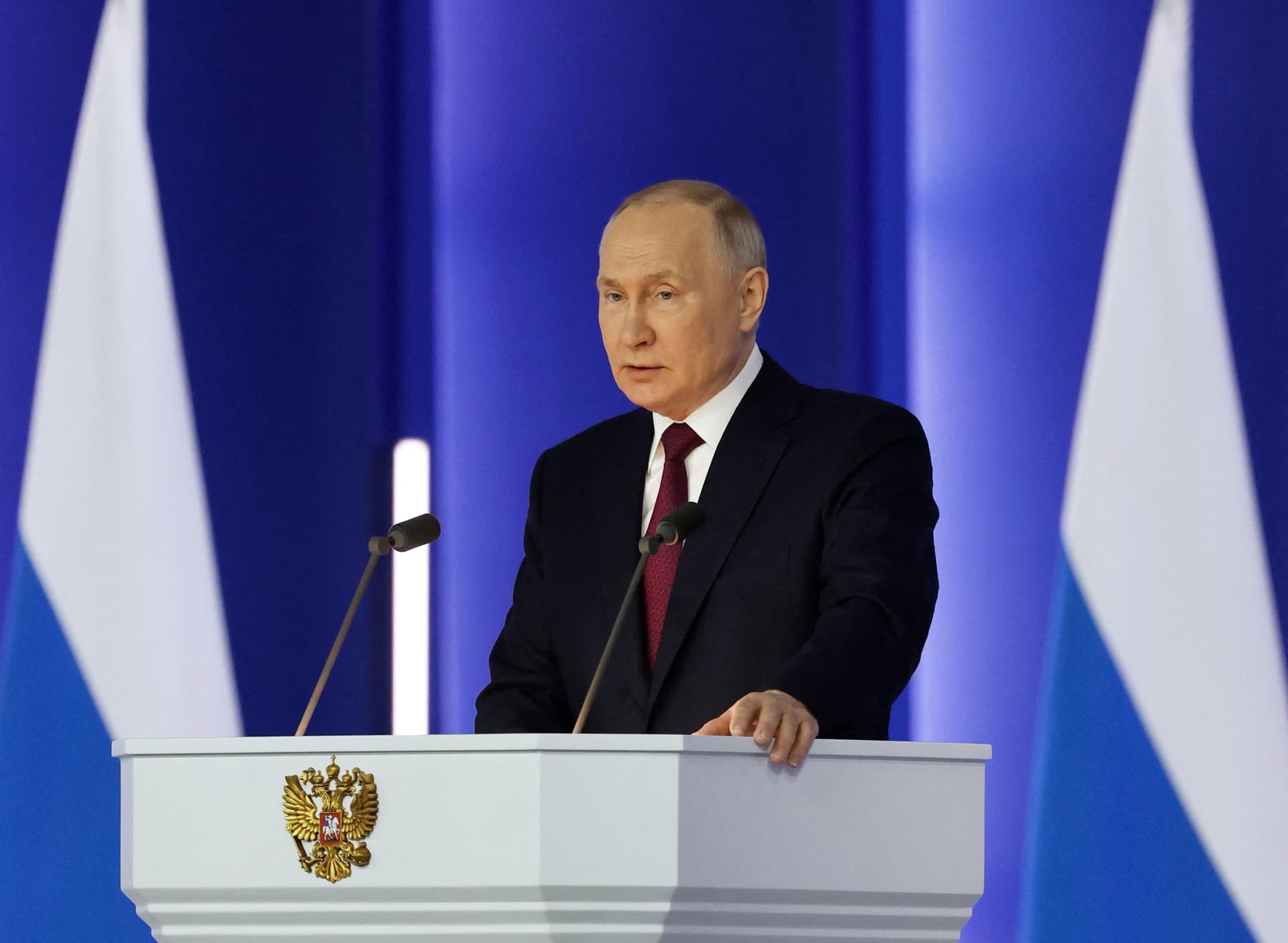
Moscow says it is still awaiting a response from Washington to President Vladimir Putin’s proposal to informally extend the substantive limits of the New Strategic Arms Reduction Treaty for one year, Kremlin spokesman Dmitry Peskov told reporters in Moscow. “No, we have not received a response. We are certainly awaiting a response to Putin’s initiative; we consider this a very important topic,” he said as the treaty faces expiration in roughly three weeks.
Putin’s offer, first made publicly in September, would see Russia maintain compliance with New START’s quantitative ceilings for an additional year after the accord lapses in February 2026, Moscow says—on the condition that the United States mirrors that move. The 2010 treaty caps deployed strategic nuclear warheads at 1,550 for each side and limits deployed delivery systems to no more than 700, including intercontinental ballistic missiles, submarine-launched missiles and bombers.
Moscow reports it has received no formal reply from Washington. Russian officials also say President Trump told Russian media in October that the proposal was “a good idea,” but they assert that no official reaction followed. With time running short, the impasse turns on both substance and procedure: negotiators disagree over the duration of any extension, whether it should include a freeze on total warheads, and how to verify compliance.
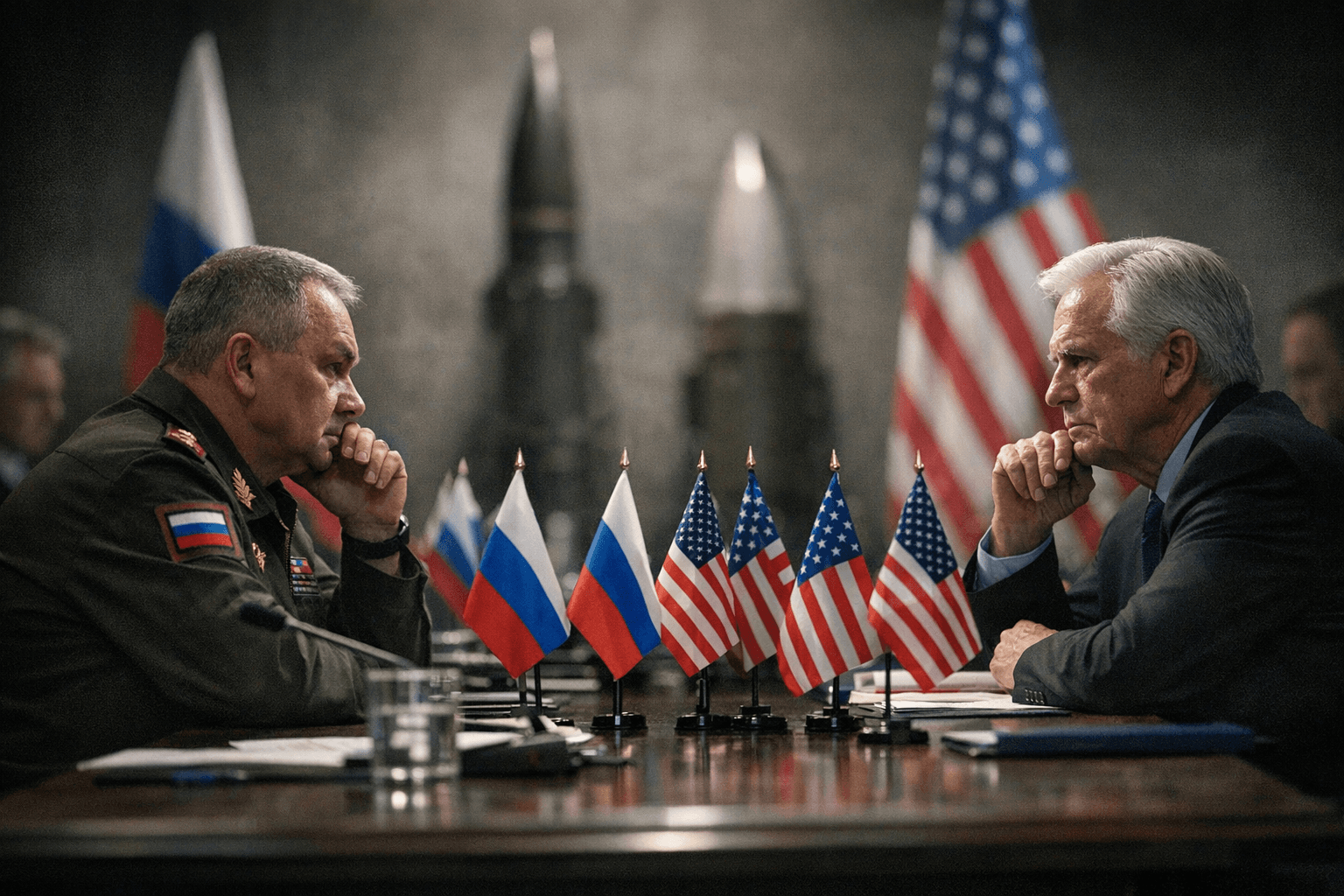
U.S. officials have pressed for a politically binding one-year extension coupled with a one-year freeze on U.S. and Russian nuclear warhead levels and “some type of verification plan.” Moscow, which initially sought a five-year extension, countered with an offer to extend the treaty’s limits for one year alongside a like-duration warhead freeze that would carry no new conditions for Russia. Verification has emerged as a particularly difficult issue: Washington has proposed portal monitoring outside warhead production and disassembly sites, a measure Russian negotiators have resisted.
Russian diplomatic officials have also raised a domestic legal complication that could slow or complicate any extension. Deputy foreign ministry and other officials have warned that extending New START under Russian law would require multiple steps that amount to something akin to formal ratification. As one senior Russian diplomat put it, “for Russia to extend [New START] would mean to go through numerous steps…that equals to the formal ratification of a treaty,” and the process is “challenging” even as Moscow says it will try to complete the steps.
The treaty’s potential lapse carries strategic and market implications. Strategically, the end of the last major bilateral nuclear arms pact between Moscow and Washington would reduce transparency and institutional constraints on the two largest nuclear arsenals, increasing uncertainty about deployed warhead levels and verification. Financial markets typically respond to such geopolitical risk with safe-haven flows into government bonds and gold and with elevated volatility, while defense-sector equities can reprice on perceived increases in geopolitical risk.
With only weeks to negotiate, negotiators must bridge inspection modalities, the precise text and the domestic procedures that could enable rapid implementation. Moscow is publicly pressing for a quick U.S. decision, while diplomats warn that unresolved verification, third-party arsenals and legal hurdles on both sides could leave limits unenforced as the treaty’s formal term expires.
Know something we missed? Have a correction or additional information?
Submit a Tip