Russian strikes continue across Ukraine, diplomacy proceeds under U.S. mediation
Fresh Russian missile and drone strikes on December 6 and 7 struck populated areas across Ukraine, causing civilian casualties and damaging infrastructure as humanitarian needs grow. At the same time U.S. mediated talks between Ukrainian and U.S. officials continued, underscoring a tense parallel of battle and diplomacy that will shape European security and humanitarian responses.
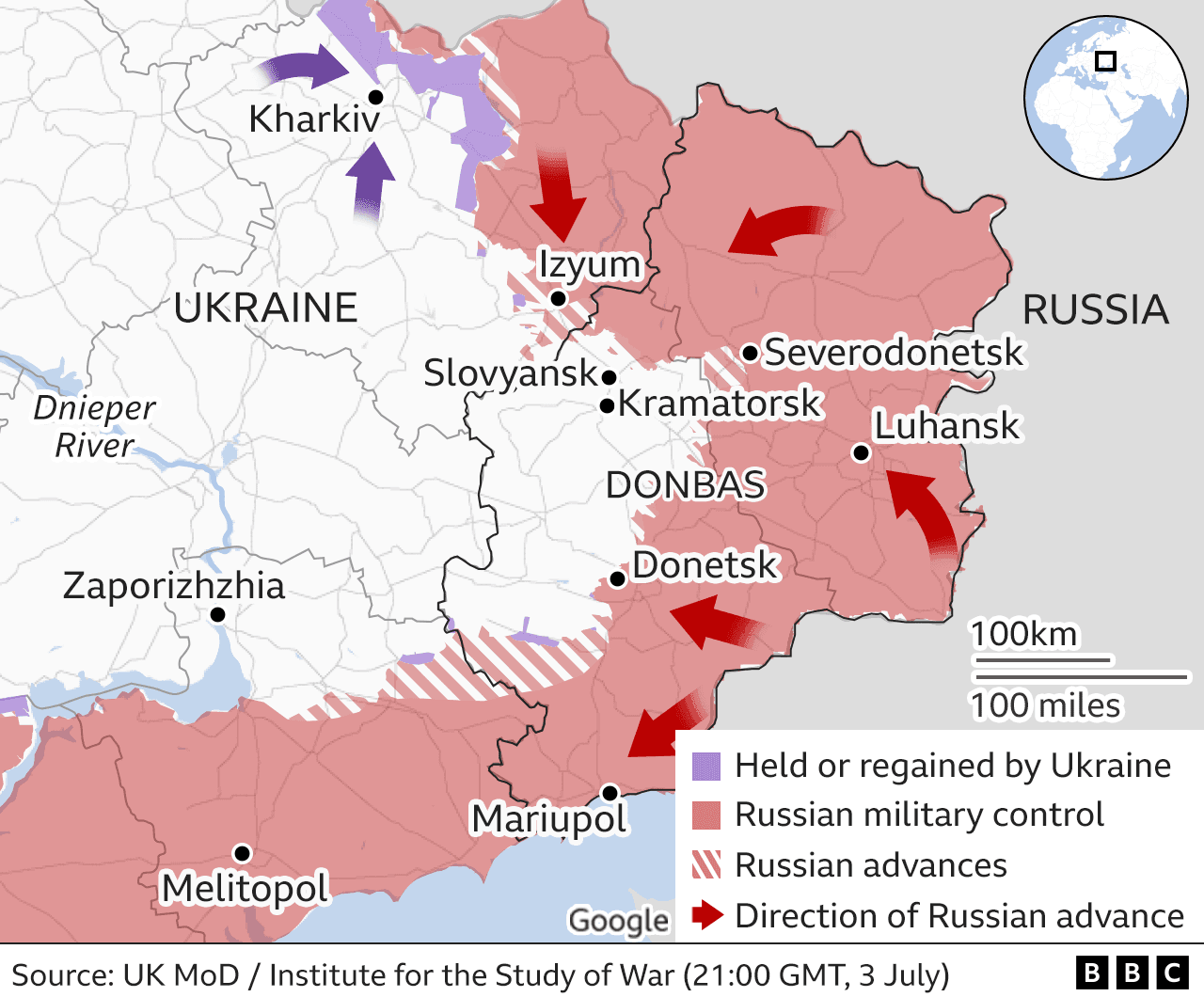
Russian forces carried out a new wave of missile and drone strikes on December 6 and 7, Reuters reported, striking populated areas in multiple regions of Ukraine and producing civilian casualties and damage to homes and critical infrastructure. On the same days U.S. mediated talks involving Ukrainian and U.S. officials continued, according to the same reporting, producing statements from both sides after sessions but no immediate cessation of hostilities.
The reporting presents a familiar, fraught duality. Combat operations intensified on front line sectors even as negotiators pursued diplomatic channels, reflecting competing incentives for Kyiv and Moscow and a broader international effort to manage escalation. Roundup accounts supplied casualty figures and lists of locations hit by strikes, showing the human cost of attacks that include both long range missiles and loitering drones. The strikes aggravated humanitarian pressures already felt by communities living near front lines, compounding displacement, disrupting power and water supplies, and stretching the capacity of emergency responders.
Diplomacy remains active but fragile. U.S. mediated sessions brought senior Ukrainian and American officials together in continuing efforts to deescalate and to secure humanitarian relief and political confidence building measures. Reuters reporting noted statements from participants after sessions, but no breakthrough terms were announced and fighting persisted. The parallel tracks of violence and negotiation underline the limits of talks when each side still calculates battlefield gains and domestic political constraints into its approach.
From a legal perspective the reported civilian casualties and strikes on populated areas raise acute questions about compliance with international humanitarian law and the duty to protect noncombatants. Independent and impartial investigations are a typical international response to such allegations, and the mounting humanitarian toll is likely to intensify calls from aid agencies and foreign governments for protections such as humanitarian pauses and safe corridors. The complexity of modern strike technologies including drones complicates attribution and investigation, while imposing immediate burdens on medical services and shelter systems within Ukraine and in neighboring countries receiving refugees.
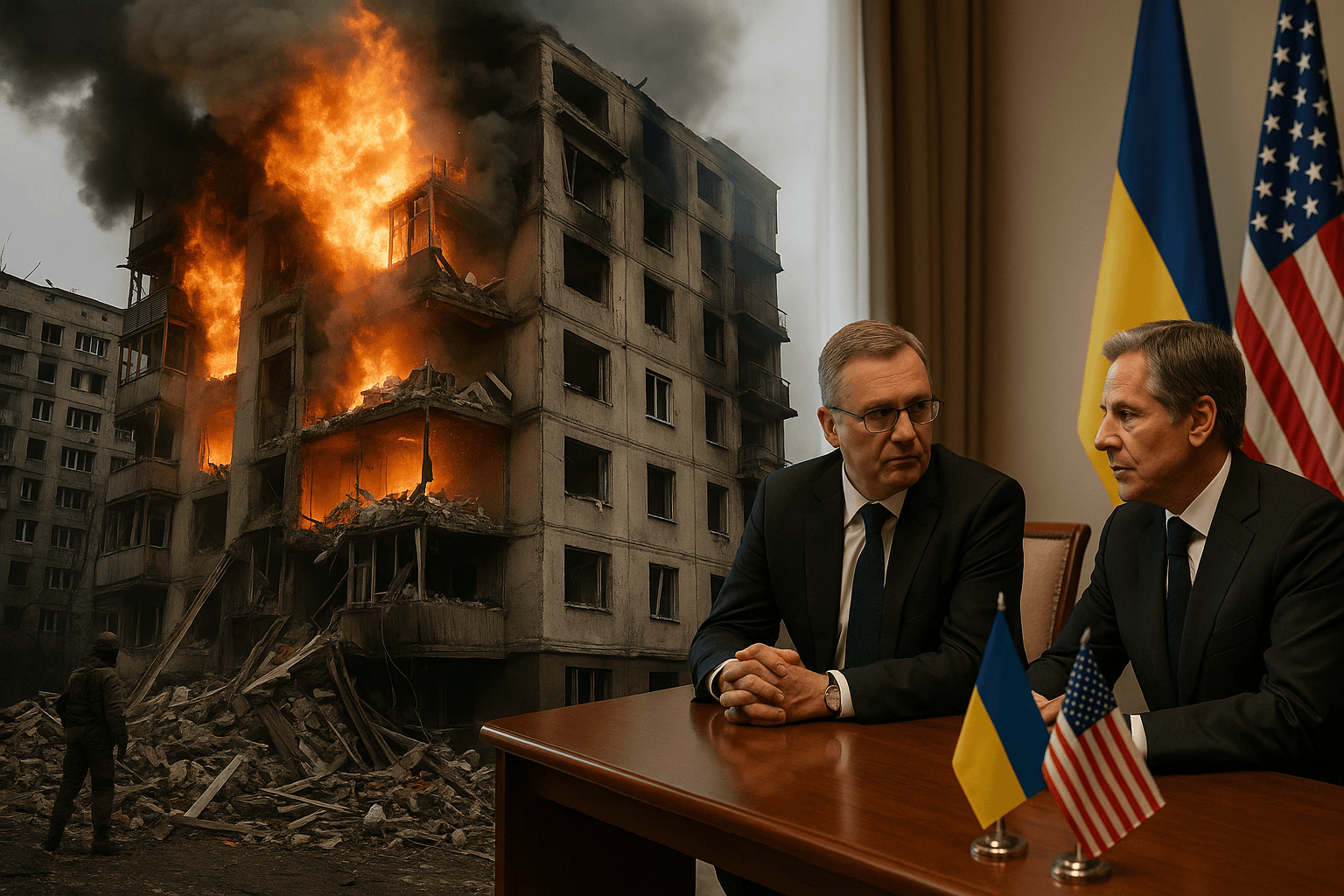
Regionally the continued fighting combined with active U.S. engagement has implications for alliance cohesion and European security. Western capitals face pressure to sustain military and economic support for Ukraine while simultaneously shoring up diplomatic tracks that might prevent further escalation. For countries in the Black Sea and Central Europe the dual reality of enduring strikes and ongoing talks intensifies uncertainty about the conflict trajectory through the winter and beyond.
The situation remains fluid. The continuing Reuters roundups show that battlefield events and diplomatic maneuvers are unfolding in parallel, with neither clearly displacing the other. The coming days will test whether mediation can translate into concrete humanitarian relief and reduced violence, or whether tactical calculations on the ground will keep driving the conflict and deepening the humanitarian emergency.