Hong Kong Voter Turnout Edges Up After Deadly Tai Po Fire
Voter participation in Hong Kong's 2025 Legislative Council election rose slightly to 31.9 percent from 30.2 percent in 2021, remaining the second lowest since the city's 1997 return to Chinese rule. The vote, limited to government approved "patriot" candidates and held in the shadow of a deadly high rise fire, is being read as a test of public sentiment and political stability.
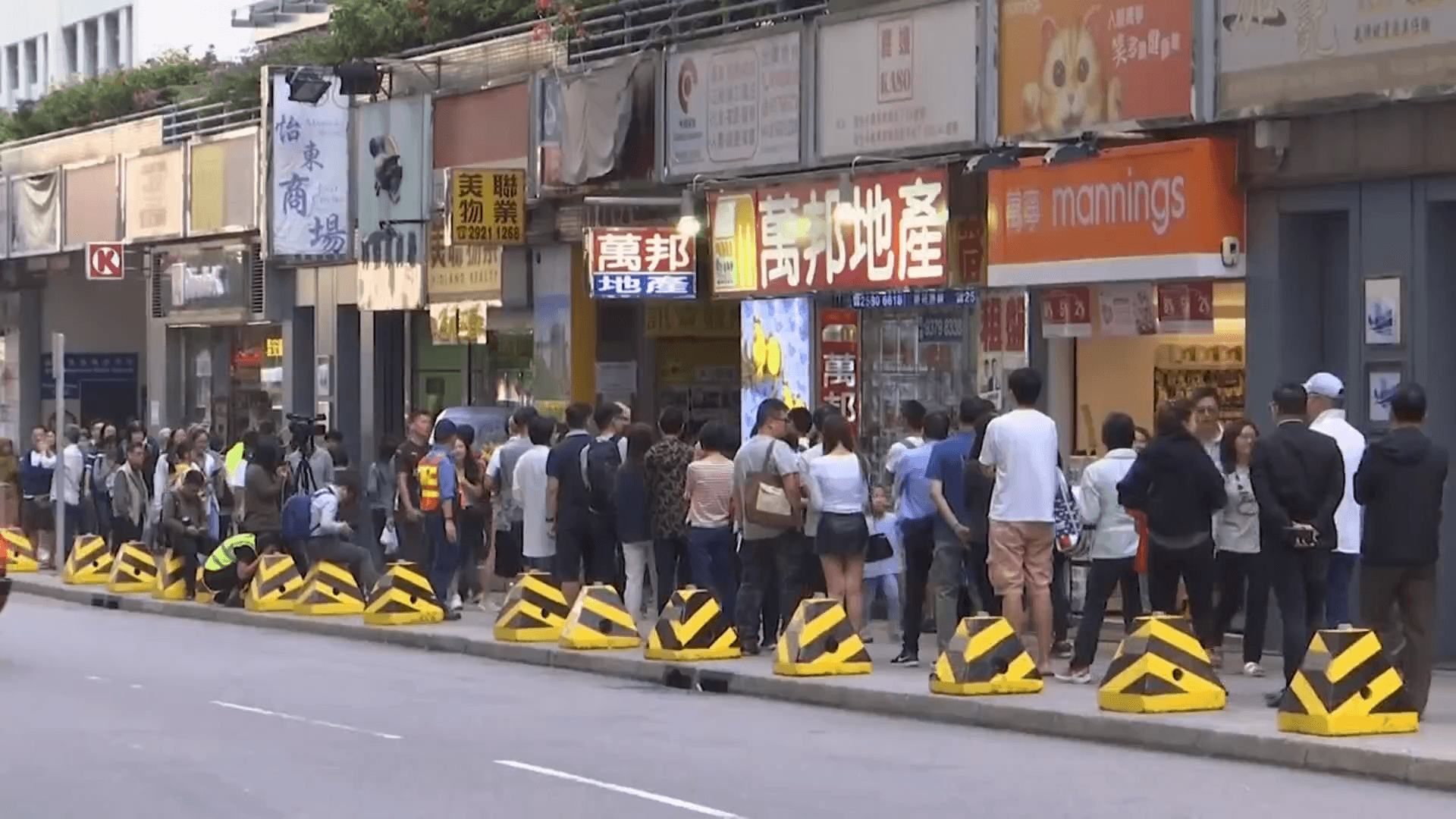
Voter turnout in Hong Kong's Legislative Council election climbed to 31.9 percent on December 6, 2025, a modest rise from the 30.2 percent low recorded in 2021, election officials said. The result leaves participation at the second lowest level since the city returned to Chinese rule in 1997 and underscores persistent public disengagement from a political system that restricts candidacy to government approved "patriot" contenders.
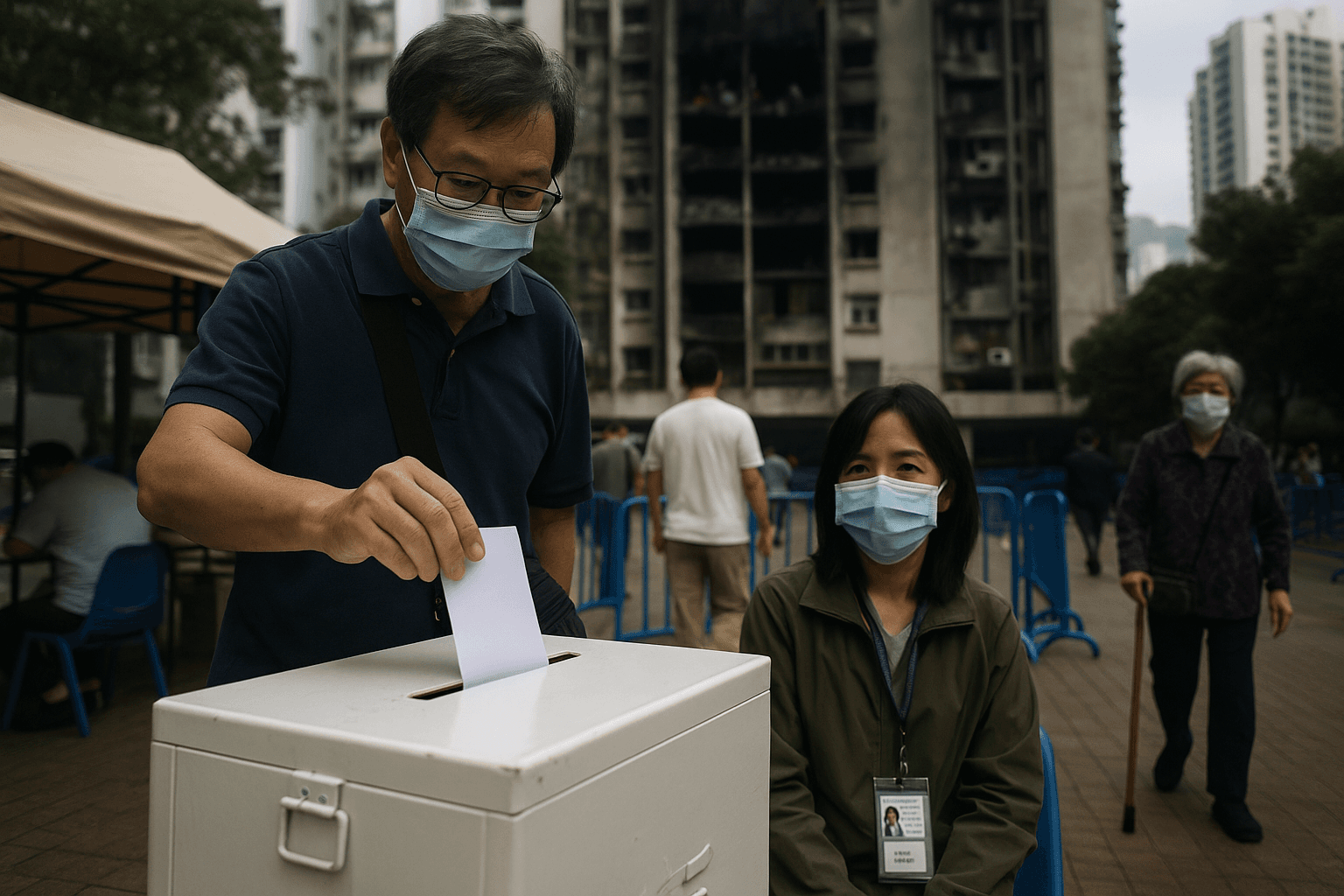
The ballot came days after a massive fire at a high rise housing estate in Tai Po that killed many residents and triggered widespread anger over alleged use of substandard building materials. The tragedy focused public attention on housing safety and government oversight, and authorities responded with stepped up security measures, criminal probes, and public warnings against dissent. Those measures, combined with the constrained electoral field, shaped the political atmosphere in which the vote took place.
Analysts say the small uptick in turnout is ambiguous. A rise of 1.7 percentage points may reflect a spike in civic engagement among voters angered by the fire and by perceptions of regulatory failure, or it may simply reflect mobilization around specific local issues. At the same time the persistently low participation signals deeper disaffection. Low turnout reduces the electoral leverage of dissenting voices and complicates efforts to read public opinion from formal ballots in a system that excludes a broad spectrum of political competitors.
The political stakes extend beyond the chamber. For Beijing and Hong Kong authorities, the election was a barometer of public sentiment after a high profile safety crisis. Low participation and public anger over construction standards could increase pressure for tangible policy changes, including more rigorous building inspections, stricter oversight of materials and contractors, and faster regulatory enforcement. Officials have already opened criminal investigations related to the fire, and the government faces choice between visibly tightening safety rules and maintaining a security first approach to dissent and protest.
Economic and market implications are immediate and measurable. Property markets are sensitive to questions of safety and regulation. Developers, insurers, and lenders may face higher compliance costs and potential increases in claims if investigations find systemic failures in construction practices. Investor confidence can be dented by both governance concerns and the perception of social instability, which may raise risk premia and affect capital flows into Hong Kong real estate and local construction stocks. In the medium term, heightened enforcement and clearer standards could raise construction costs but improve long term market resilience.
The election result leaves Hong Kong at a crossroads between policy response and political control. With turnout still historically low, authorities will need to balance demand for accountability over the Tai Po tragedy with broader aims of stability. How they respond to safety reforms and public discontent will shape levels of civic trust and economic confidence into 2026 and beyond.