Thailand Launches Air Strikes, Cambodia Accuses Bangkok of Aggression
Thai forces have carried out air strikes along a disputed frontier with Cambodia as clashes renewed, leaving at least one Thai soldier dead and several wounded, and prompting large scale evacuations of border districts. The confrontation threatens a fragile ceasefire from earlier in the year, raising regional concern over a long standing colonial era boundary dispute and the humanitarian toll on communities on both sides.
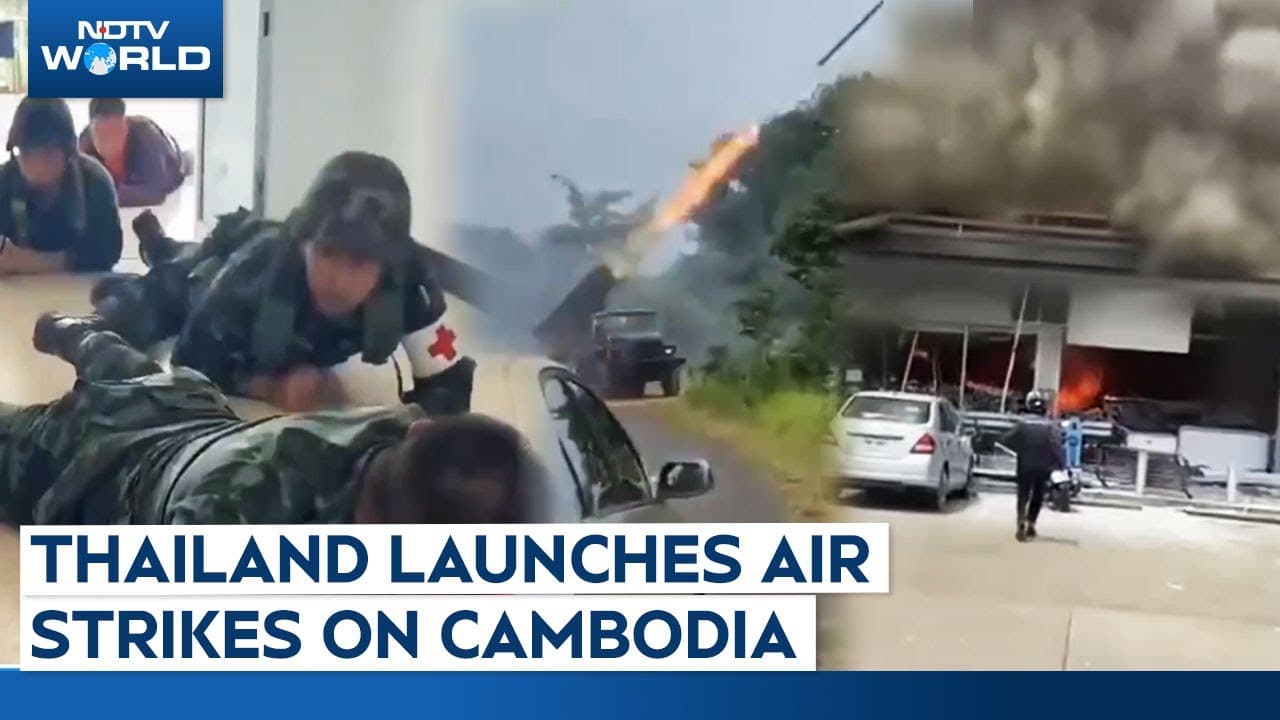
Thai aircraft struck positions along the disputed Cambodia border on Monday, military authorities in Bangkok said, after what the Thai military described as repeated Cambodian fire into multiple areas of the eastern province of Ubon Ratchathani. The escalation followed a series of renewed clashes that left at least one Thai soldier dead and several others wounded, and forced thousands of civilians to flee their homes near the frontier.
Cambodia’s defence ministry rejected Thai accounts and accused Bangkok of launching dawn attacks, while saying its own forces had not carried out retaliatory strikes. The competing narratives illustrate how fragile the ceasefire that followed earlier deadly clashes has become, and how quickly local incidents can reverberate into national confrontation.
Reuters and local officials reported large scale evacuations from border districts, with residents abandoning homes and livelihoods as schools and markets closed. Humanitarian workers and regional observers warned that displacement will deepen hardship in an area where communities have long lived with intermittent insecurity tied to the ambiguous legacy of colonial era border demarcation.
The immediate flashpoints lie in a patchwork of claims and counterclaims along the boundary, a map of disputed lines that countries in Southeast Asia have wrestled with since the era of European colonial rule. For decades the two governments have traded accusations and staged periodic military responses, even as bilateral talks and a ceasefire framework have intermittently reduced tensions. The latest violence underscores how unresolved territorial questions remain a persistent risk to stability in the region.
Regional mediators have urged restraint, cautioning that an expanded confrontation would have ripple effects beyond the battlefield. Southeast Asian capitals closely watch any disruption because prolonged instability would affect cross border trade, investment confidence and tourism in both countries, and could strain diplomatic institutions that rely on quiet negotiation and consensus building.
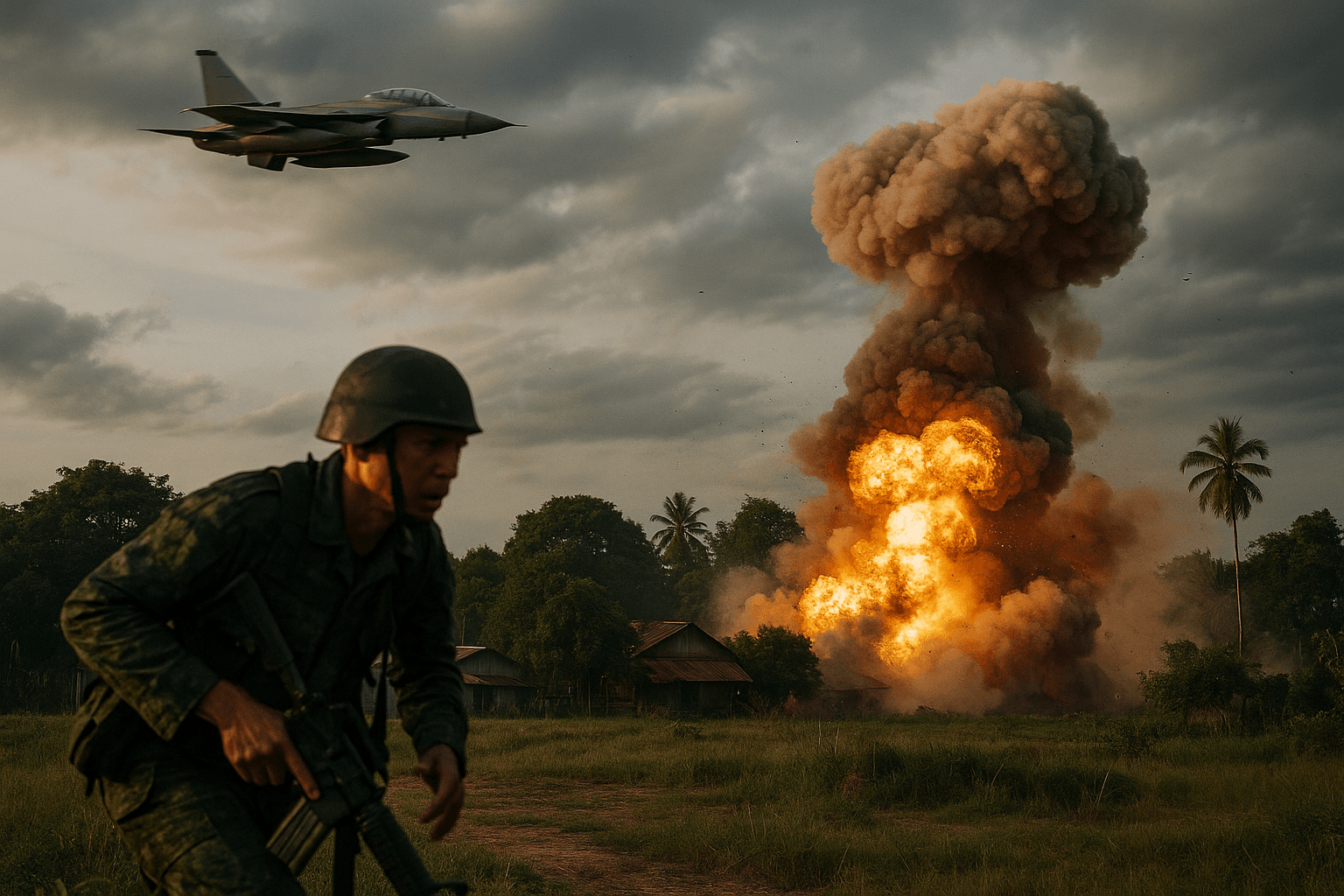
International law provides mechanisms for resolving boundary disputes, but such avenues require political will and mutual recognition of procedures, conditions that have often been missing in this dispute. Analysts say that without sustained diplomatic engagement the pattern of sporadic violence will continue, imposing a heavy toll on civilians who live in borderlands subject to shifting security conditions.
For now the immediate concerns are humanitarian and security related. Evacuations and the presence of additional troops on both sides raise the risk of further incidents that could shatter the ceasefire. Governments in the region, as well as international partners with ties to both capitals, face a test of how effectively they can rein in military responses while pushing for a return to negotiations.
As night fell along the contested frontier, families counted belongings and awaited word of a pathway back to safety. The conflict is a reminder that historical grievances, if left unresolved, can erupt with explosive consequences in a region that otherwise prizes diplomatic consensus and economic integration.