Firefighter Killed, Homes Lost as Bushfires Rage North of Sydney
A 59 year old firefighter has died after being struck by a falling tree while battling intense bushfires near Bulahdelah north of Sydney, as blazes destroy homes and consume large areas of bushland. The death and the widespread damage underscore the immediate danger to communities and the longer term challenge of preparing for worsening fire seasons.
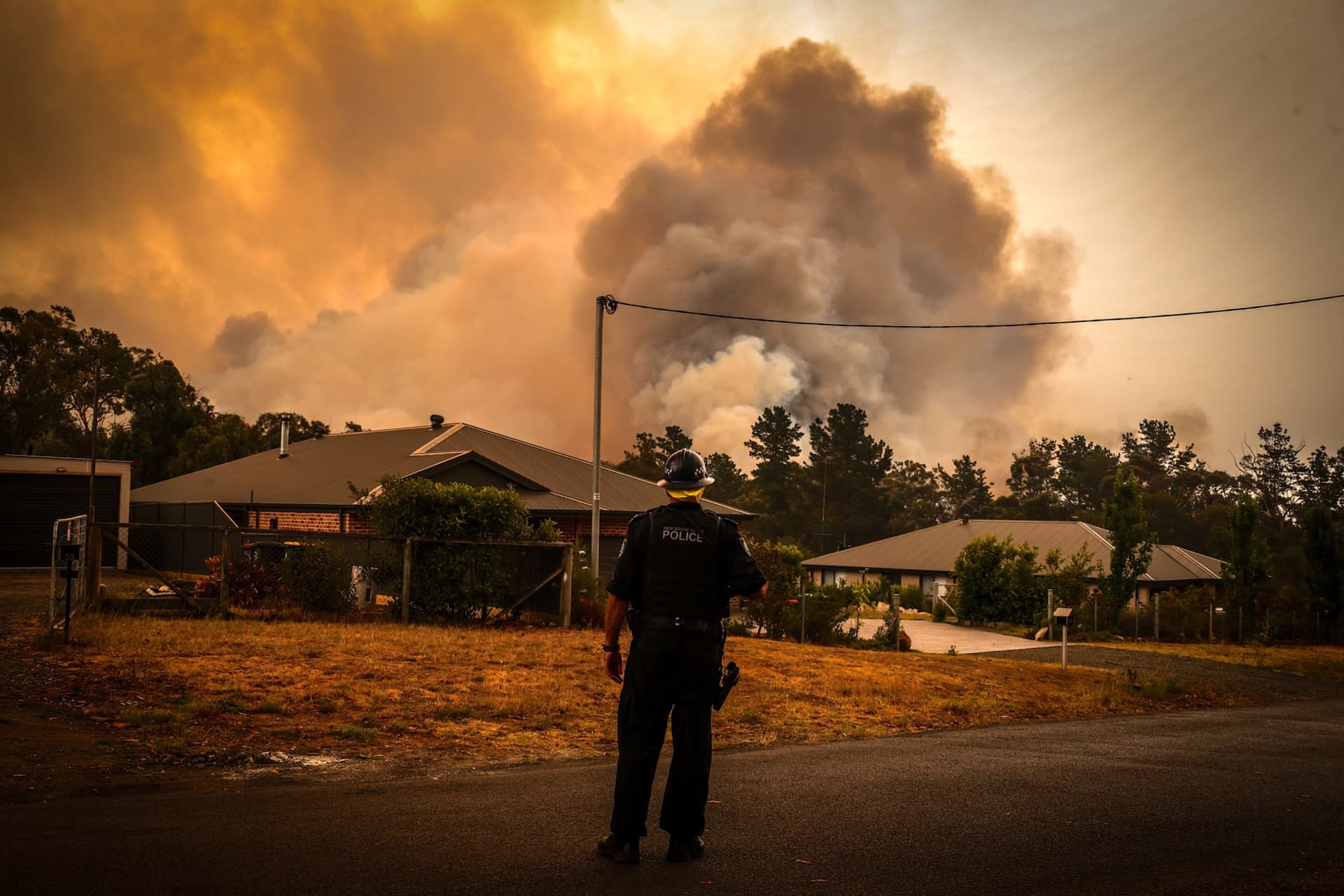
Emergency services confirmed that a 59 year old firefighter died after being struck by a falling tree while engaged in suppression work near Bulahdelah north of Sydney. The firefighter suffered cardiac arrest at the scene and was pronounced dead there on December 8, 2025. The loss comes as crews press containment and property protection operations across multiple firegrounds in New South Wales and in neighboring states, where hot, windy weather has elevated fire danger and complicated efforts to control the blazes.
Across the affected regions, the fires have destroyed homes and burned extensive tracts of bushland, leaving communities grappling with immediate displacement and the loss of irreplaceable local environments. Firefighting units and emergency personnel are operating in rotating shifts to protect towns and critical infrastructure while attempting to strengthen containment lines. Authorities have issued evacuation orders for communities in threatened zones and warned residents to remain on alert as conditions persist.
The death of the firefighter has reverberated beyond the affected districts. Colleagues and local leaders described the incident as a grim reminder of the hazards faced by frontline crews who confront unpredictable weather and rapidly changing fire behaviour. With the emergency ongoing, incident controllers are balancing rescue and property protection duties against the priority of keeping personnel safe in difficult terrain and gusting winds.
The fires add to a pattern of increasingly severe fire seasons in Australia and worldwide. Warmer, drier conditions amplify the frequency and intensity of vegetation fires, stretching the capacity of volunteer and professional services and exposing gaps in preparedness. For communities in New South Wales and adjacent jurisdictions, the current crisis will test state level coordination and the capacity to provide timely evacuations, temporary accommodation, and financial support for rebuilding.
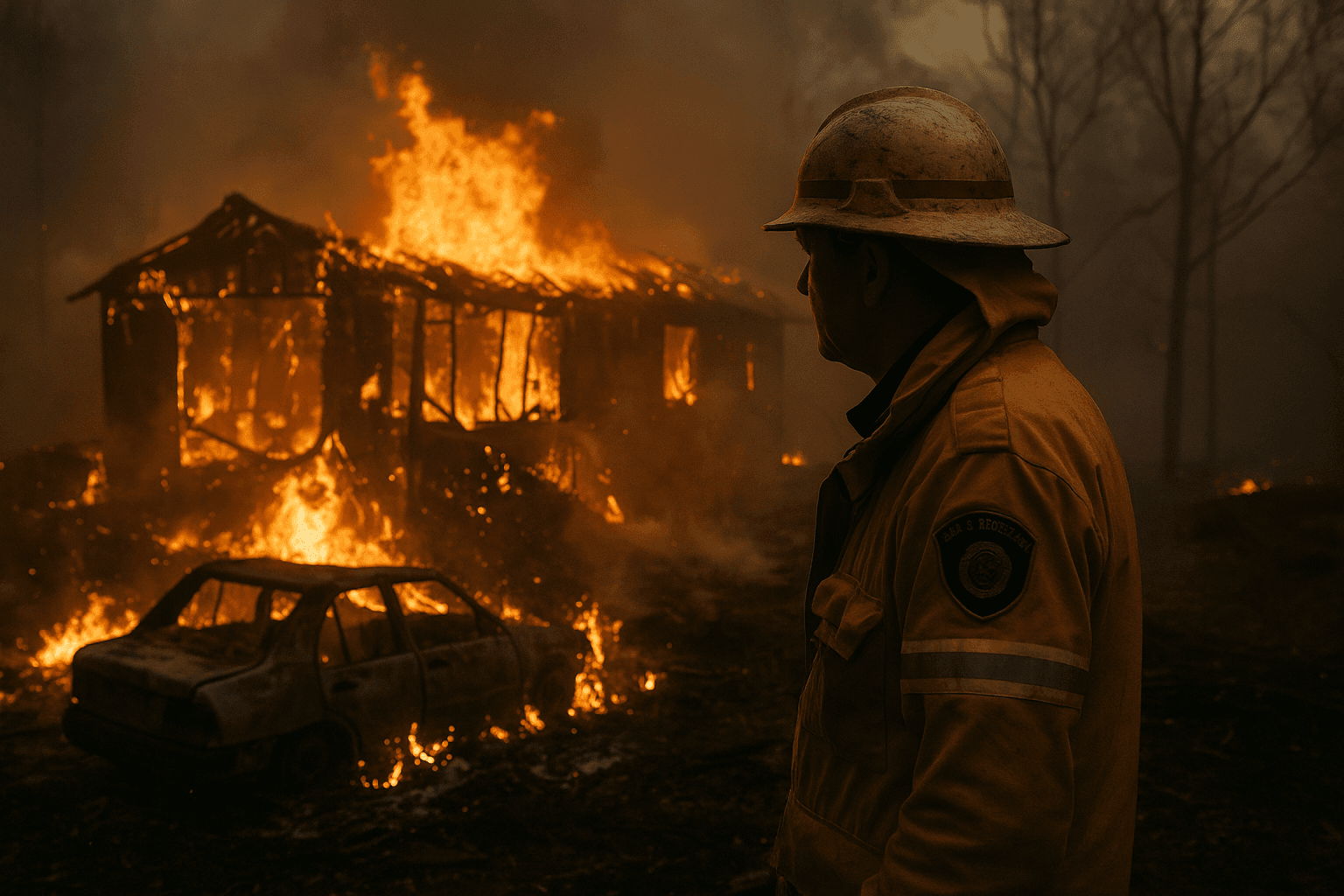
Neighbouring states have mobilised assistance to support containment efforts, reflecting a long standing practice of mutual aid within Australia when major emergencies cross administrative boundaries. The scale of the current operations will likely revive discussion on long term mitigation measures. These include land management practices, investment in resilient infrastructure, and expanding the resources available to rural and regional emergency services.
Internationally, the episode is one of several recent high profile fire events that underline the global nature of the challenge. Governments are under growing pressure to integrate climate adaptation strategies into emergency planning, and to consider the role of traditional land management techniques in reducing fuel loads and protecting communities.
For now, the immediate priorities remain life safety and relief for those displaced. Authorities continue to urge anyone in threatened areas to follow evacuation instructions and to monitor official channels for updates. The death of the firefighter has prompted expressions of sorrow from the emergency services community and renewed focus on safeguarding crews while they work to contain the blazes and protect homes.


