U.N. Cuts 2026 Aid Appeal to Twenty Three Billion, Prioritizes 87 Million
The United Nations announces a sharply reduced 2026 humanitarian appeal set at around 23 billion dollars, citing a dramatic fall in donor funding that forces painful choices. The move matters because it narrows life saving assistance to about 87 million people even as roughly 250 million worldwide are judged to need urgent help.

The United Nations announces a sharply reduced humanitarian funding appeal for 2026 of about 23 billion dollars as donor contributions plunge, forcing aid agencies to concentrate resources on the most immediate life threatening crises. The Office for the Coordination of Humanitarian Affairs says roughly 87 million people will be prioritized for assistance, while globally about 250 million people need urgent aid across conflicts, climate shocks and economic shocks.
OCHA officials presented the scaled back plan in Geneva, noting the largest single appeal is for the occupied Palestinian territories including Gaza, followed by urgent requests for Sudan and Syria. The agency described the reduction as a response to a dramatic fall in donor funding from earlier and much higher targets, a shift that reshapes operational planning for the year ahead.
U.N. humanitarian chief Tom Fletcher warned of severe strain on the system, saying agencies are "overstretched, underfunded, and under attack." That assessment underscores a growing mismatch between surging needs and available resources. Humanitarian organizations already face rising costs to deliver aid while operating in increasingly dangerous environments, and the funding squeeze will force difficult decisions about which programs to maintain and which to cut back.
The scale of reprioritization is stark. Prioritizing 87 million people when 250 million require urgent help highlights a funding gap that will leave many crises under addressed. Agencies that focus on health care, nutrition, water and sanitation, and shelter will have to ration assistance, with the most visible consequences likely in conflict affected zones where access is limited and needs are acute. Reduced funding can also prolong displacement and deepen humanitarian and economic shocks for host communities that absorb refugees.
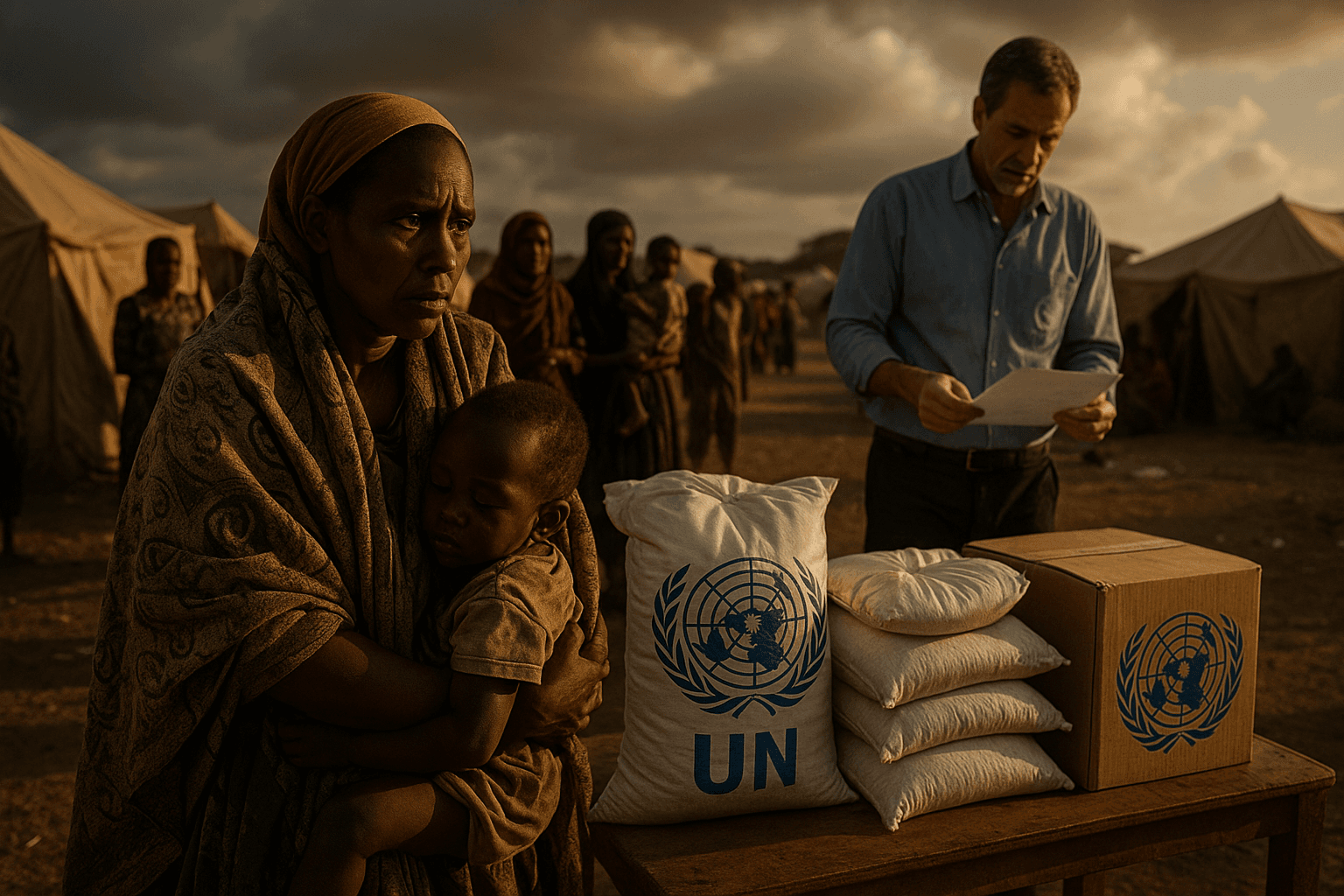
The donor shortfall has policy and market implications. Governments that reduce foreign aid exposure domestic taxpayers to the fiscal and political costs of displacement and instability as migration flows intensify. For commodity markets, prolonged conflict and constrained relief in key producing regions can add to price volatility for staples such as wheat and fuel, amplifying food insecurity in vulnerable import dependent countries. For international lenders and sovereign debt markets, rising needs may translate into greater pressure on already strained public finances in fragile states.
The decision also reflects longer term trends in aid financing. Donor fatigue, constrained budgets amid global economic uncertainty, and shifting geopolitical priorities have eroded the predictable funding base that large scale humanitarian responses require. Analysts say this pattern could accelerate reforms in how humanitarian action is financed, including calls for more flexible multiyear funding and greater burden sharing among emerging donors and regional institutions.
Absent a reversal in contributions, the U.N. appeal reduction will reconfigure which populations receive lifesaving aid in 2026 and which will be deprioritized. The consequence is not only immediate human suffering but a possible reshaping of the global humanitarian architecture as agencies adapt to a lower resource environment while the scale of need continues to grow.