Iran Says Second Flight From United States Returns 55 People
Iran announced on Monday that a second plane carrying 55 Iranian nationals deported from the United States has left America, a move Tehran says reflects a shift in U.S. immigration practice. The repatriations heighten fears among rights advocates and carry potential diplomatic and economic consequences for a country already coping with sanctions and capital flight.

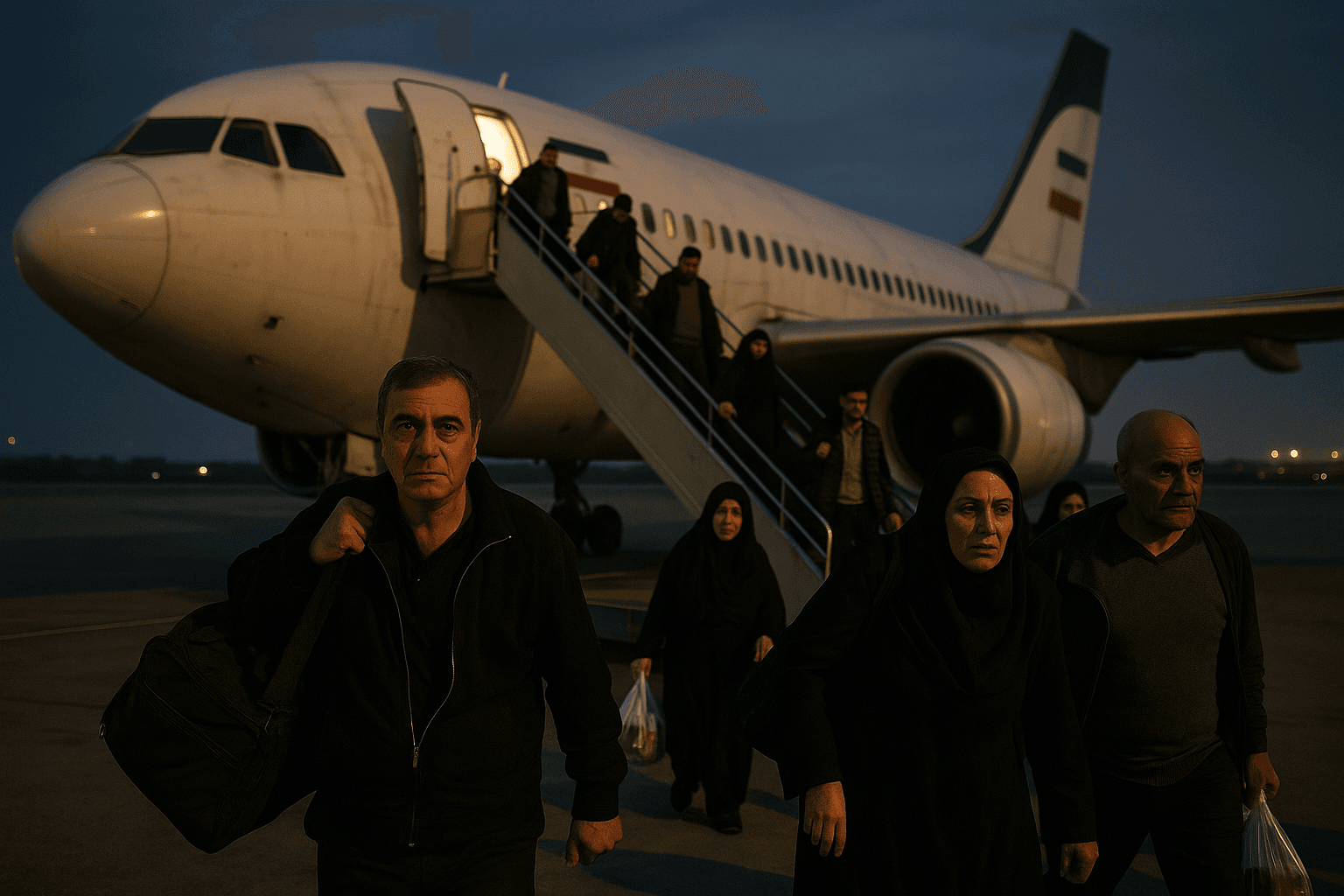
Iranian state media and the foreign ministry reported Monday that a second flight carrying 55 Iranians deported from the United States has departed American soil, and Tehran confirmed the arrival of another group of returnees at home. The announcement, carried by the Mizan news agency which is linked to Iran’s judiciary, quoted a Foreign Ministry official saying the deportees had "announced their willingness for return." A separate ministry spokesperson described the repatriations as resulting from alleged violations of U.S. immigration law.
The United States government had not immediately acknowledged the flights, leaving open questions about the legal and diplomatic mechanisms behind the transfers. A report cited by Iranian officials earlier this month indicated that as many as 400 nationals could be repatriated under recent policy changes in the United States. The figure, if realized, would represent a significant movement of people relative to longstanding patterns of asylum and settlement among Iranians who left Iran after the 1979 revolution.
Human rights groups warned that some returnees could face detention or prosecution when they arrive. Iran has a documented history of arresting critics, activists and dual nationals following return or travel, and the prospect of expedited repatriations has intensified concerns among legal advocates and diaspora communities. The Iranian judiciary’s involvement in publicizing the flight underlines the domestic security lens through which Tehran views returnees.
The developments carry broader policy implications. For Washington, a tighter immigration posture toward Iranians would mark a departure from decades in which many Iranians fleeing political persecution found refuge in the United States. For Tehran, the returns allow officials to frame the transfers as voluntary repatriation or enforcement of national law, even as critics see the move as politically charged and potentially coercive.
Economic consequences, while indirect, could be meaningful. Large scale repatriations would affect diaspora networks that contribute to remittances, entrepreneurship and international trade linkages. Iran’s economy is already under pressure from long running Western sanctions, constrained export capacity and persistent capital outflows. Any erosion in trust among expatriates and investors could further damp inflows of private capital and reduce informal transfer channels that households rely on for dollars and euros.
Regional markets and global investors monitor shifts in U.S.-Iran relations closely because geopolitical frictions feed into risk premia for oil and regional assets. While no immediate market moves were tied to Monday’s announcement, analysts said that a pattern of hardening policies on both sides could increase volatility in commodity and financial markets sensitive to Middle East stability.
Diplomatically, the lack of an official U.S. confirmation complicates efforts to establish clear accountability and legal recourse for those affected. The situation will likely prompt scrutiny from international human rights bodies and could become a point of contention in broader U.S. policy debates over immigration enforcement, national security and human rights.