Liberal Clinches Bucharest Mayoralty, Blocking Far Right’s City Breakthrough
Partial results from Bucharest’s local election on December 7, 2025 showed the liberal candidate defeating a hard right contender to become mayor of Romania’s capital, a result that undercut far right ambitions to seize a major European capital. The outcome bolstered pro European forces and was widely read as strengthening Prime Minister Ilie Bolojan’s centrist coalition ahead of national political battles.
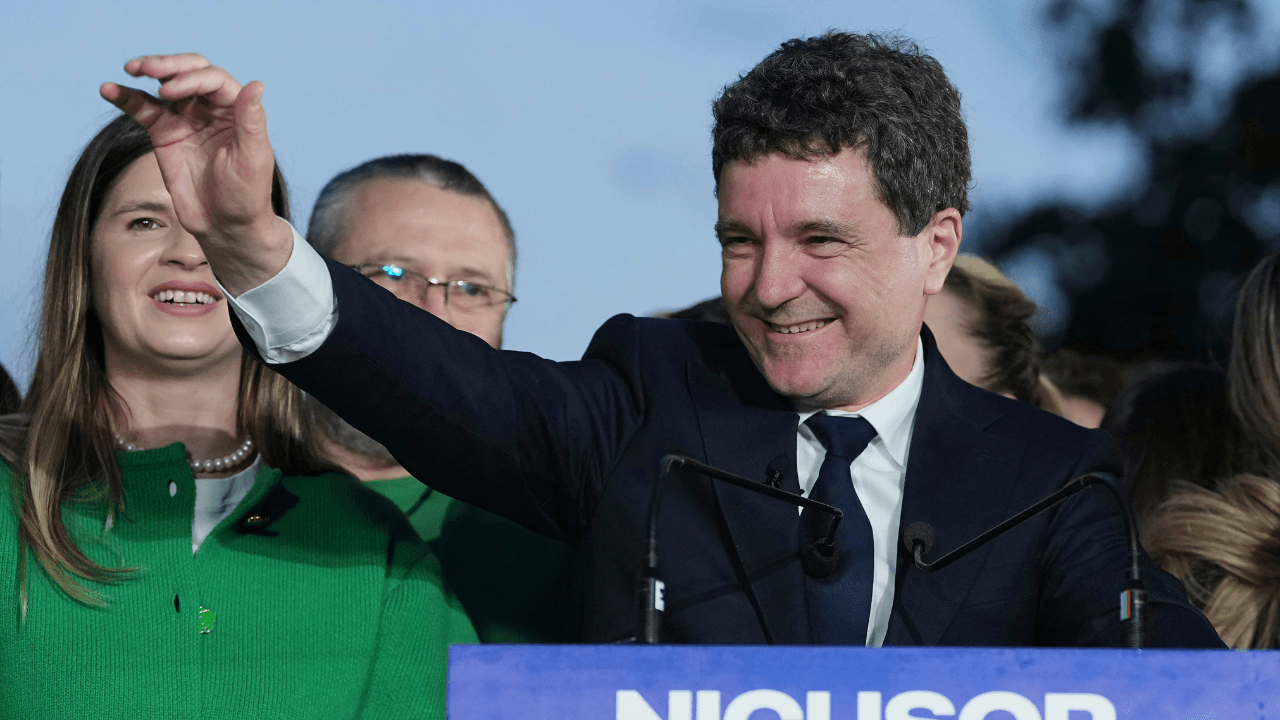
Partial official tallies released after the December 7 vote confirmed that the liberal candidate prevailed over a hard right rival to win the Bucharest mayoralty, handing a symbolic and practical defeat to parties that had targeted the city as a prize. The mayoralty had been seen as within reach for right wing hardliners following a year of political turbulence, and the loss denied them a highly visible platform in the heart of the European Union.
For the centrist government led by Prime Minister Ilie Bolojan the result represented an important political validation. Analysts and party strategists in Bucharest interpreted the victory as an endorsement of pro European governance and a counterweight to nationalist narratives that have gained traction in parts of the region. The liberal win is likely to consolidate the centrist coalition’s standing in the short term and to shape its strategy as national elections approach.
Control of Bucharest carries immediate administrative responsibilities and long term symbolic weight. The mayor’s office oversees urban planning, transportation, housing initiatives and public services for a city of more than two million residents, and holds influence over investment priorities that affect business confidence and regional development. Changes in municipal leadership could therefore alter the pace and orientation of projects ranging from infrastructure upgrades to social services, with knock on effects for local communities and foreign investors.
Beyond municipal management, the election is important for what it signals about public sentiment. Observers said the defeat of a high profile hard right candidate removed a potent symbol that such movements can capture mainstream urban power in an EU capital. That symbolism mattered not only in Romania but also among nationalist and pro European actors elsewhere in Central and Eastern Europe, where municipal contests are frequently treated as bellwethers for national moods.

The outcome is expected to shape coalition building and strategic calculations in Bucharest and at national level. Parties will re assess alliances, messaging and candidate selection in light of a result that undercut a prominent target for far right forces. For the centrist coalition, maintaining momentum will require translating electoral advantage into concrete municipal performance, showing improvements in public services and tangible urban policies that resonate with voters beyond the capital.
While the vote results were partial, the trajectory of the count and early concessions indicated a decisive shift away from the hard right’s ambitions for a symbolic foothold in the capital. The contest underscored how municipal politics in European capitals can reverberate nationally and across borders, shaping debates over governance, European integration and the balance between nationalist and pro European currents in the months ahead.


