Nigeria Says 100 Pupils Freed From St. Marys Boarding School
Nigeria's federal government said it had secured the release of 100 pupils kidnapped from St. Marys Catholic boarding school in Papiri, Niger State, offering a partial reprieve for families after a major mass abduction. The development leaves nearly two hundred children and staff unaccounted for and reignites scrutiny of nationwide insecurity and the economic and social costs of persistent attacks on schools.
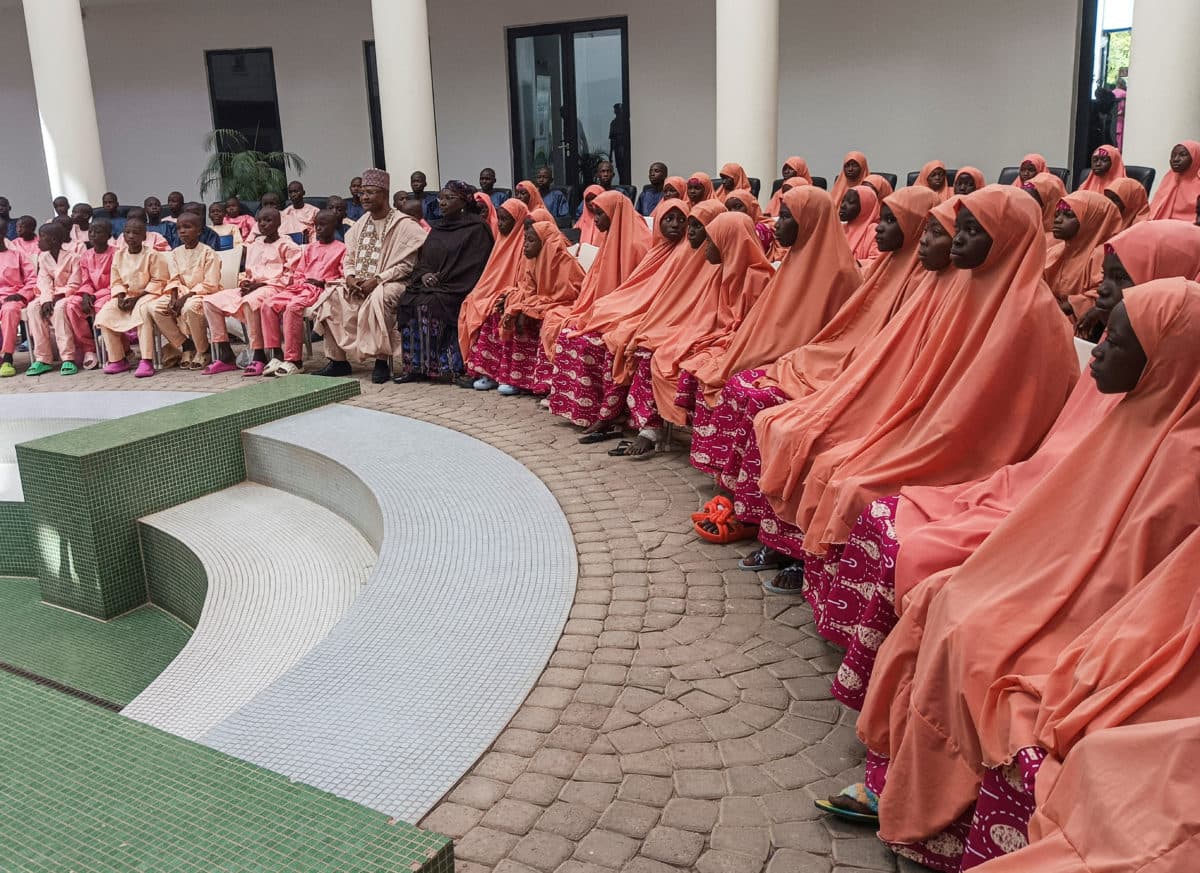
Federal authorities said on December 7 that they had secured the release of 100 pupils who had been taken from St. Marys Catholic boarding school in Papiri, Niger State, in one of the countrys largest recent mass abductions. Local broadcaster Channels TV first reported that the children were being returned to local authorities, and officials and community leaders were still seeking confirmation and further details on December 8.
The initial attack occurred on November 21 when gunmen seized more than 300 students and school staff from the boarding compound. The Christian Association of Nigeria had earlier said 303 children and 12 school staff were taken and that about 50 students escaped in the immediate aftermath. The fate of the remaining captives remains a key concern for families and officials.
Nigerian security agencies and the presidency were reported to have been working behind the scenes to secure releases through a combination of security operations and mediation channels. International partners monitored developments, though Channels TV and other outlets cautioned that some local officials and leaders from the Christian Association of Nigeria had not yet been formally notified at the time of initial reporting, creating uncertainty about the whereabouts of additional kidnapped students and staff.
The partial release is likely to be treated as both a humanitarian relief and a political test. Past large scale abductions in Nigeria have produced intense public outcry and have prompted a mix of military responses and negotiated releases. Analysts say the government will face pressure to demonstrate that it can protect schools and prevent further incidents while also accounting for any concessions made in mediation efforts.

Economically the attack and its aftermath carry tangible costs. Disruption to schooling damages human capital formation for affected communities, and prolonged insecurity tends to increase household and institutional spending on private security. For local economies that rely on seasonal agricultural labor and school related services, the closure or loss of confidence in boarding schools can depress incomes and reduce demand. At the national level, sustained spikes in kidnappings and insecurity can weigh on investor sentiment and compel higher budgetary allocations to security, crowding out social spending that supports education and development.
Policy responses will likely focus on improved rural security coordination, faster intelligence sharing, investment in protective infrastructure for schools, and strengthened community policing, alongside diplomatic and mediation channels for securing releases. The balance between hard security measures and negotiation has long been contested, and the government faces a complex trade off between the immediate imperative of freeing captives and the long term goal of deterring further attacks.
For now families and communities remain on edge as authorities work to verify the identities and conditions of the 100 returned pupils and to locate the others. The episode underscores persistent vulnerabilities in parts of Nigeria and the long term challenge of safeguarding education while stabilizing local economies and restoring public confidence.


