Netanyahu says second phase plan for Gaza will be discussed with Trump
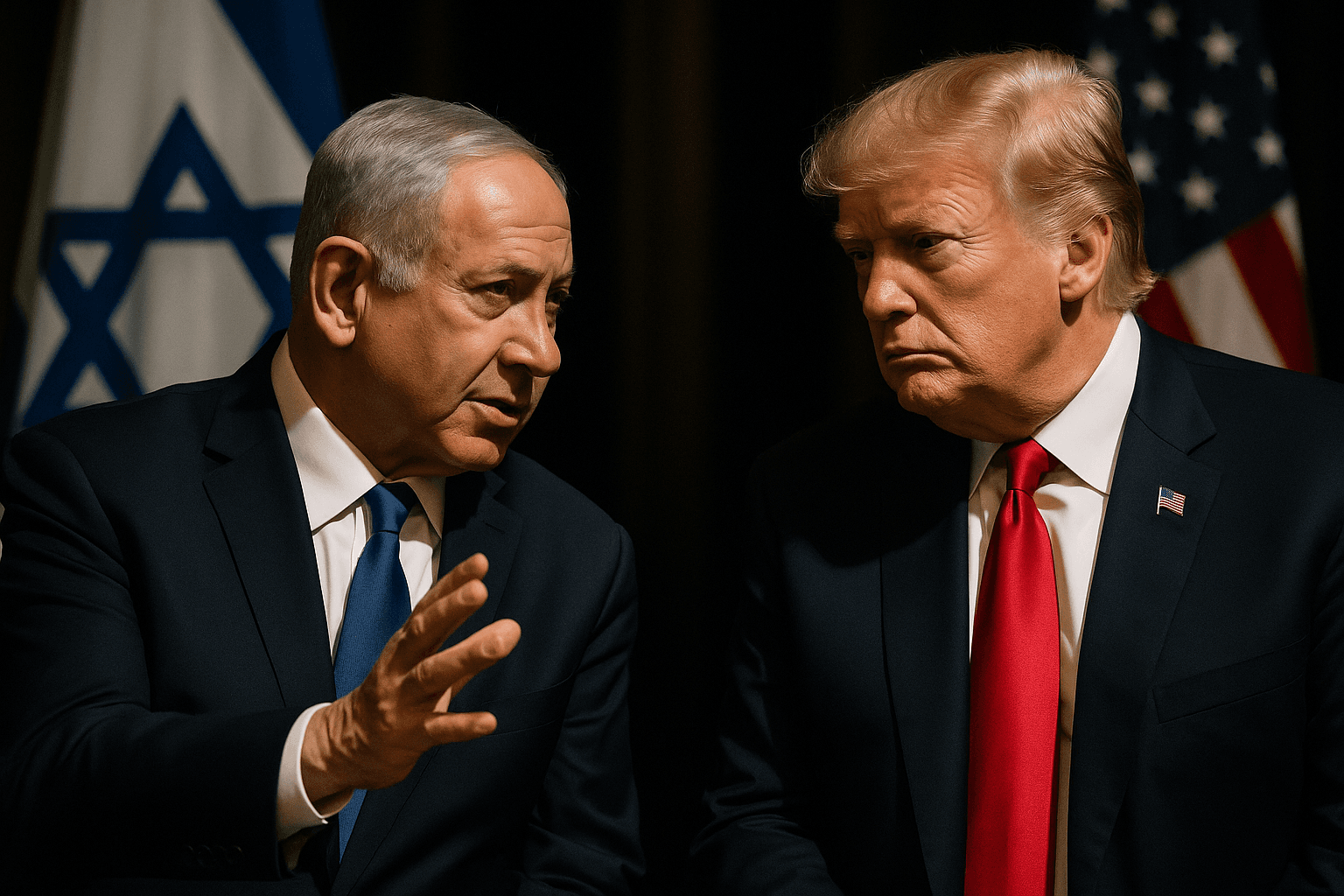
Israeli Prime Minister Benjamin Netanyahu told visiting German Chancellor Friedrich Merz that the second phase of a U.S backed plan to end the Gaza war was close, but major questions remain about security arrangements and timing. He said he would meet President Trump later in December to discuss operational details, a negotiation that could shape whether Gaza sees a durable ceasefire, credible disarmament and effective reconstruction.

On December 7 in Jerusalem, Prime Minister Benjamin Netanyahu said the second phase of a U.S backed plan to end the war in Gaza was near, but that significant questions remained about how it would be implemented. Speaking alongside German Chancellor Friedrich Merz, Netanyahu said he would meet President Trump later this month to discuss timing and operational details for phase two, which envisages Israel pulling back further, disarmament of Hamas, demilitarization of Gaza and the start of reconstruction.
The plan as sketched by Israeli and U.S officials places a multinational security component at its core. Whether a multinational security force will be deployed remains unresolved, and officials say the plan’s logistics and timeline have yet to be clarified. A multinational coordination centre has been set up to support planning, but responsibility for security, chains of command and legal mandates have not been settled.
Germany signalled readiness to assist with reconstruction, contingent on clarifications from the upcoming U.S Israel discussions. That conditional offer reflects broader European caution about associating with a security arrangement that lacks a clear international legal basis and a defined mission. Any multinational deployment will need a robust legal framework, established rules of engagement and mechanisms for accountability to meet obligations under international humanitarian law and to secure donor confidence for rebuilding Gaza’s shattered infrastructure.
The political calculus for Israel and the United States is complex. For Israel, a pullback that is not accompanied by an irreversible neutralization of Hamas’s military capabilities would be politically fraught. For the United States, which is brokering the plan, choices about force composition, mandate and oversight will determine whether partners such as Germany and other European states join in. President Trump’s upcoming talks with Mr Netanyahu are likely to focus on sequencing, who will command or coordinate security functions, and how reconstruction funding will be conditioned on disarmament.
For Palestinians in Gaza, the stakes are immediate. Disarmament and demilitarization absent clear guarantees for civilian protection, governance arrangements and rapid reconstruction risks perpetuating instability and humanitarian hardship. Reconstruction itself faces logistical obstacles, including demining, restoring utilities, and the political question of who will oversee governance during the transition.
Regional actors will also watch the outcome closely. Any multinational force that includes outside powers will have to navigate sensitivities in neighboring states and manage perceptions of sovereignty. The plan’s viability depends not only on military and logistical answers but on diplomatic buy in from a broad coalition willing to fund and sustain reconstruction while providing security guarantees acceptable to Israelis and Palestinians.
Netanyahu’s pledge to consult with President Trump sets a narrow window for clarifying open questions. Absent concrete agreements on command, legal authority and financing, the most contentious elements of the second phase will remain contested, leaving Gaza’s long term prospects contingent on diplomacy as much as on any single operational plan.