U.S. and Allies Weigh Multinational Force for Gaza Reconstruction
The United States held intensive consultations with European and regional partners about creating and funding a multinational security force to stabilize Gaza during reconstruction phases, but persistent disputes over troop contributions, rules of engagement and operational control stalled progress. Implementation of pledges and humanitarian planning now hinges on security arrangements acceptable to Israel, Palestinian authorities and regional actors, and on political approvals in participating capitals.
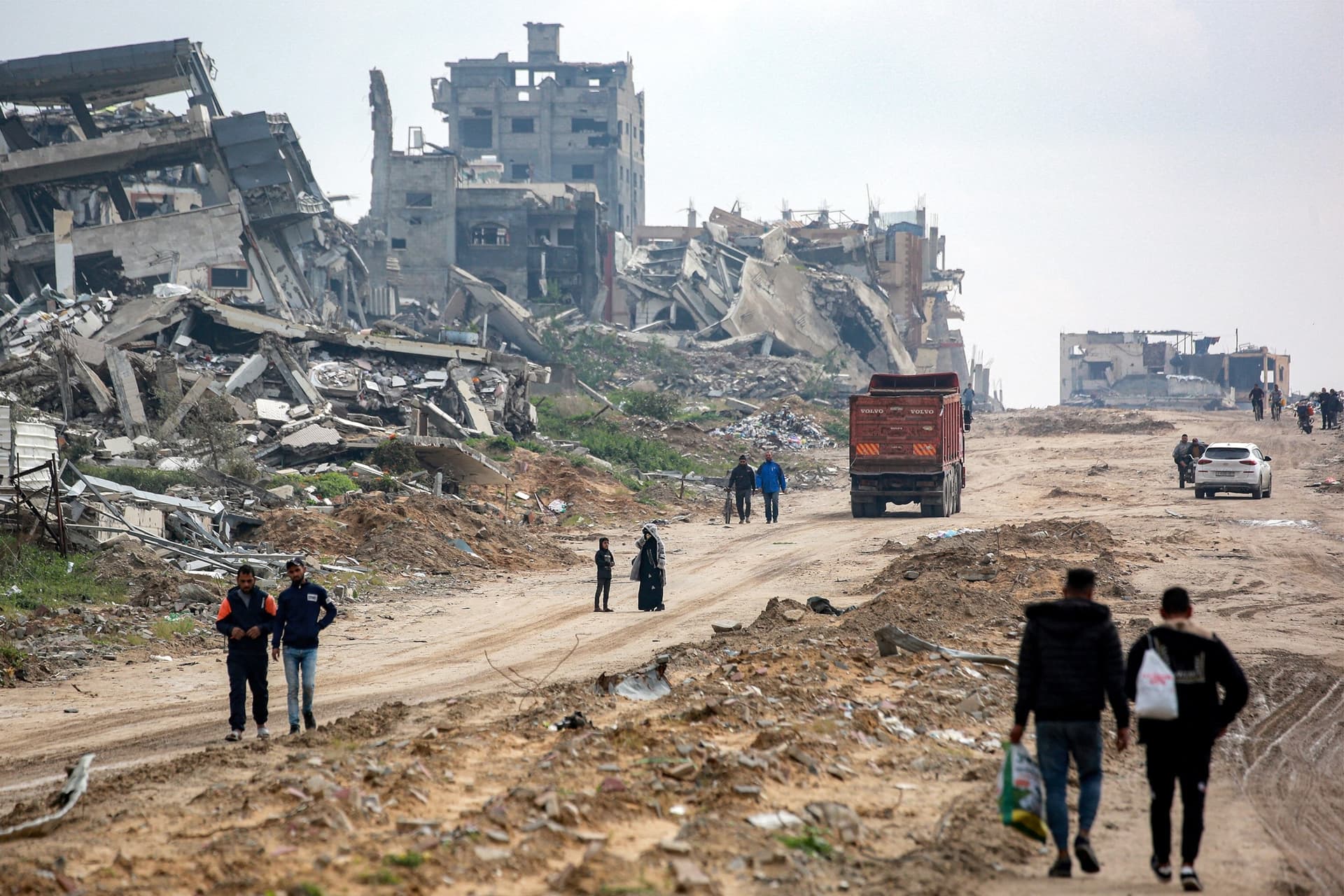
Washington intensified diplomatic talks on December 7 as officials and foreign counterparts explored how to provide security for Gaza as international reconstruction pledges move from promise to practice. The focus of the consultations was a potential multinational security force tasked with protecting reconstruction teams, coordinating humanitarian deliveries and supporting a phased restoration of civic services. Despite broad acknowledgment of the need for some form of protective presence, diplomats cautioned that several core issues remained unresolved.
Central among those issues were which countries would supply troops, how combatants would be governed by rules of engagement, and who would exercise operational control. Participating governments stressed that any deployment would require parliamentary and executive approvals at home, a constraint that makes precise timelines difficult to set. Funding arrangements were another point of contention, with donors debating whether costs should be covered directly through dedicated reconstruction funds, bilaterally by troop contributing states, or by a pooled international mechanism.
The debate has significant legal and political implications. A force that lacks clear operational authority acceptable to Israel and Palestinian authorities risks undermining its own mandate. Equally, deploying troops without explicit Palestinian consent would raise sovereignty and legitimacy concerns, and could provoke regional backlash. Officials said they were balancing those sensitivities while trying to design an architecture that would be operationally effective and compliant with international law.
Logistical questions also complicated planning. Command and control arrangements must account for interoperability among forces with different training, equipment and languages. Legal frameworks for detention, use of force and accountability must be clarified to satisfy contributors and host authorities. In addition, planners are considering how to sequence security phases so humanitarian operations and reconstruction can proceed without exposing aid workers or the civilian population to renewed violence.

European and regional partners engaged in the consultations brought divergent priorities. Some capitals emphasized rapid deployment and robust authorities to protect personnel and projects. Others prioritized strict rules of engagement and close oversight to avoid mission creep. Regional governments underscored the need for any force to enhance rather than replace Palestinian security capacity, and for deployments to be sensitive to local social and cultural dynamics.
The diplomatic reporting emphasized that while reconstruction pledges and humanitarian aid planning have advanced in international forums, delivering on those commitments depends on resolving the security question. Without an arrangement acceptable to Israel, Palestinian authorities and key regional actors, aid convoys and reconstruction crews may be unable to operate safely, delaying recovery and exacerbating humanitarian suffering.
As discussions continue, officials said political approvals at home will be decisive. Parliaments in prospective contributing states will weigh domestic legal obligations, veterans of recent interventions and public appetite for overseas deployments. For now, the broader international consensus on the need to rebuild Gaza exists alongside a stark recognition that logistical, legal and political hurdles must be cleared before reconstruction moves from promise to reality.