Parliament to Question IndiGo, Regulator After Mass Flight Cancellations
A wave of mass cancellations by IndiGo on December 7, 2025 prompted lawmakers and regulators to converge on accountability and contingency planning, raising fresh questions about operational resilience during peak travel periods. The parliamentary panel said it would summon airline executives and the civil aviation regulator to explain pilot rostering, flight disruptions, and passenger management, matters that could reshape oversight and industry practices.
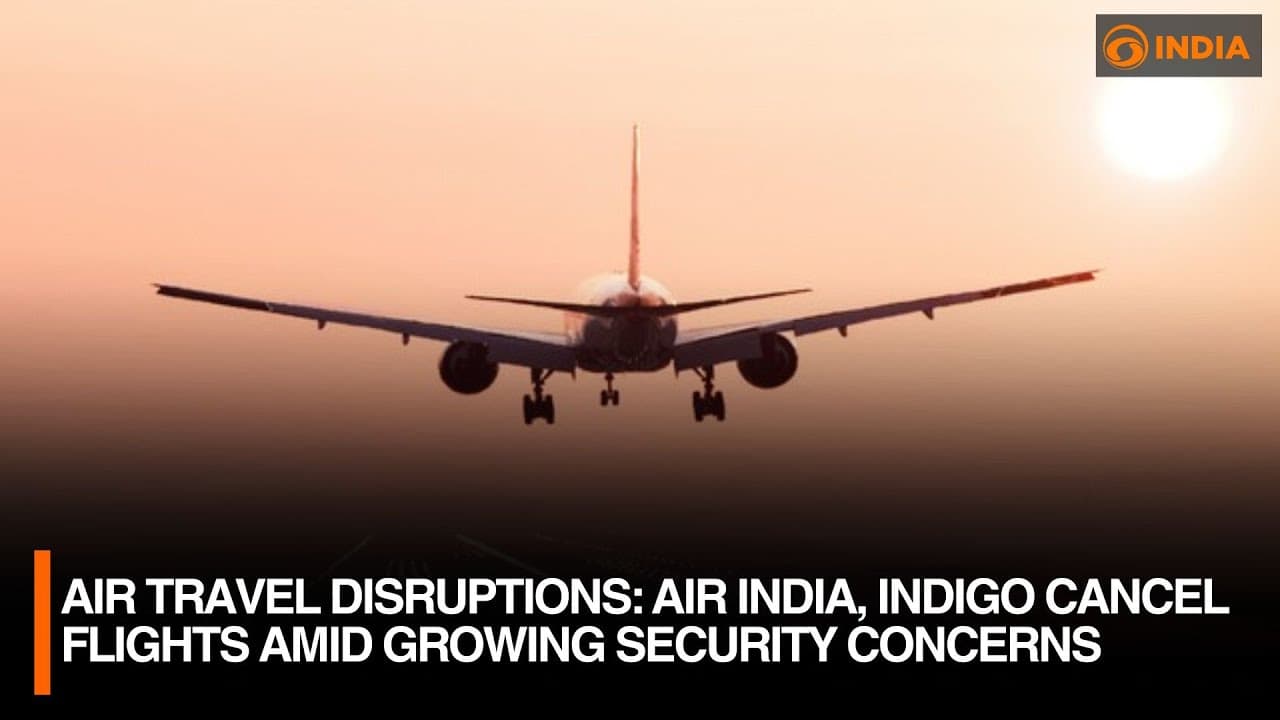
On December 7, 2025 a leading Indian carrier suffered widespread flight cancellations that stranded travelers across domestic and regional routes, prompting immediate political and regulatory attention. The incident intensified scrutiny over airline operations and oversight, with a parliamentary committee saying it planned to summon senior executives from the airline and officials from the civil aviation regulator to explain what went wrong and how similar disruptions will be prevented.
Lawmakers flagged several fault lines that emerged during the cancellation episode. The parliamentary panel said it would probe pilot rostering practices, contingency arrangements for crews, and the procedures airlines used to inform and compensate passengers. The panel also signaled interest in assessing whether existing regulatory requirements for operational readiness and passenger welfare are adequate for a market that routinely surges around holiday periods.
Industry executives and analysts say the disruption highlights structural pressures in Indian aviation. India is one of the world s fastest growing aviation markets and carriers operate high fleet utilization and tight schedules to meet demand. Those operational efficiencies can leave little slack when unexpected staff shortages or scheduling conflicts occur, increasing the risk of large scale cancellations during peak travel windows.
The regulatory focus could translate into enforcement action and policy changes. Possible outcomes under consideration include stricter rules on crew rostering and rest, enhanced reporting requirements for cancellations and delays, mandatory contingency staffing plans for peak seasons, and clearer compensation rules for displaced passengers. Regulators may also consider stepped up audits and higher penalties for failures deemed systemic rather than exceptional.
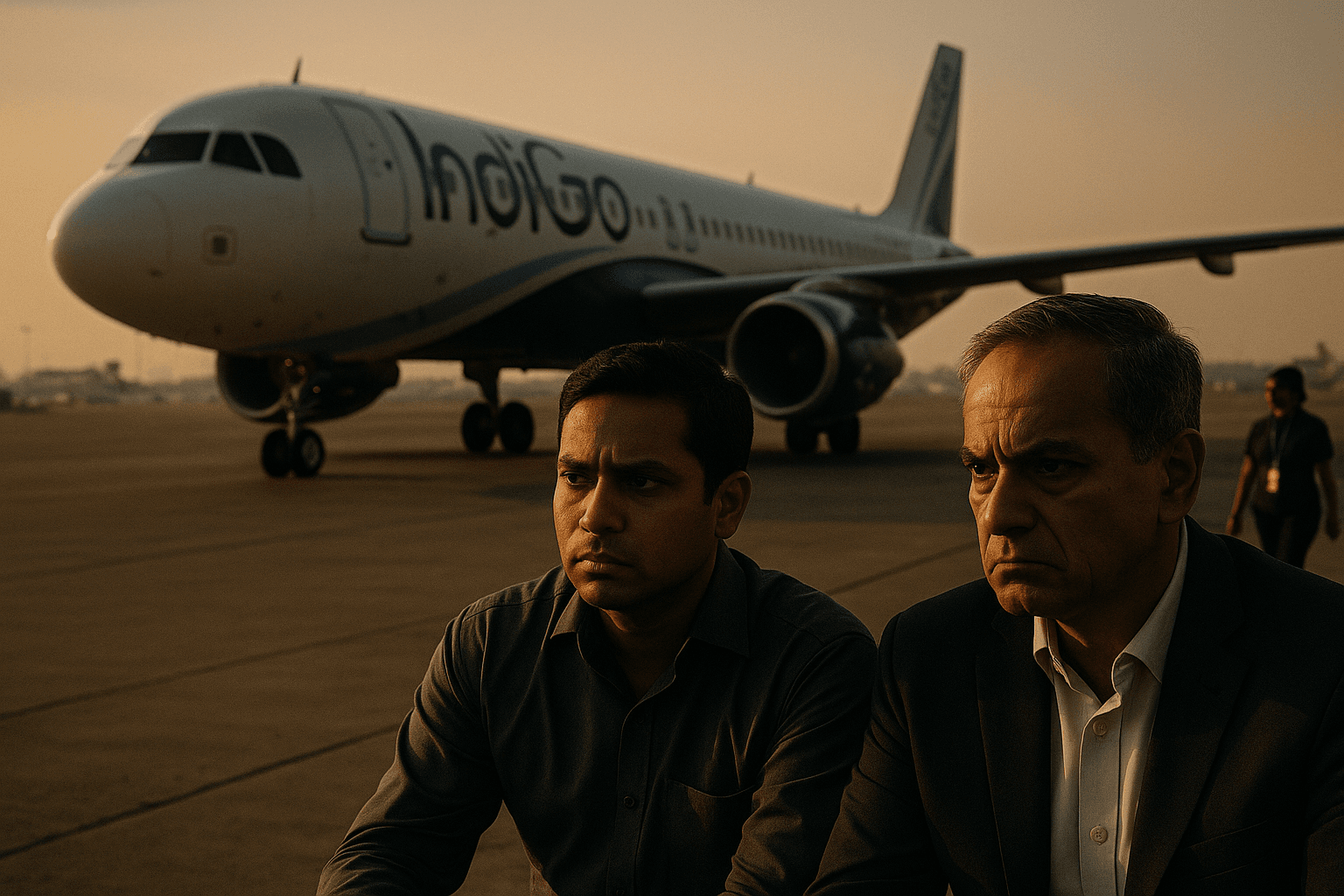
For travelers the immediate consequence was disruption to holiday plans and connections across the region. Airports reported longer lines at help desks and diverted travel demand onto rival carriers and ground transport. For the airline involved the episode raises reputational costs and potential operational expenses tied to customer refunds, rebooking and any regulatory penalties. The broader market could see temporary fare pressure as capacity and consumer confidence adjust in the short term.
Beyond immediate remedies, the incident has revived debate over longer term resilience in aviation. Policymakers must weigh the trade off between efficiency and redundancy, deciding whether regulators should mandate buffer capacity in crews and aircraft for critical peak periods. The episode also underscores the importance of workforce planning, including pilot training pipelines and retention, given global competition for skilled aviation staff.
The parliamentary summons will likely set the tone for the next phase of oversight. Committee hearings are expected to probe how the carrier s internal controls failed, what the regulator knew in advance and how both institutions will repair consumer trust. The outcome could prompt tighter enforcement and a reassessment of operational norms across the sector, with implications for costs, scheduling and the passenger experience during future peak travel seasons.


