Russian Strikes Kill Civilians as U.S. and Ukraine Talks Conclude
Overnight missile, drone and artillery strikes by Russian forces struck multiple Ukrainian regions, killing at least one civilian and damaging power and water infrastructure just as U.S. and Ukrainian delegations ended a third day of talks aimed at ending the war. The timing and apparent focus on utilities deepen fears in Kyiv and Western capitals that Moscow seeks to intensify civilian suffering through the winter, complicating fragile diplomatic progress.

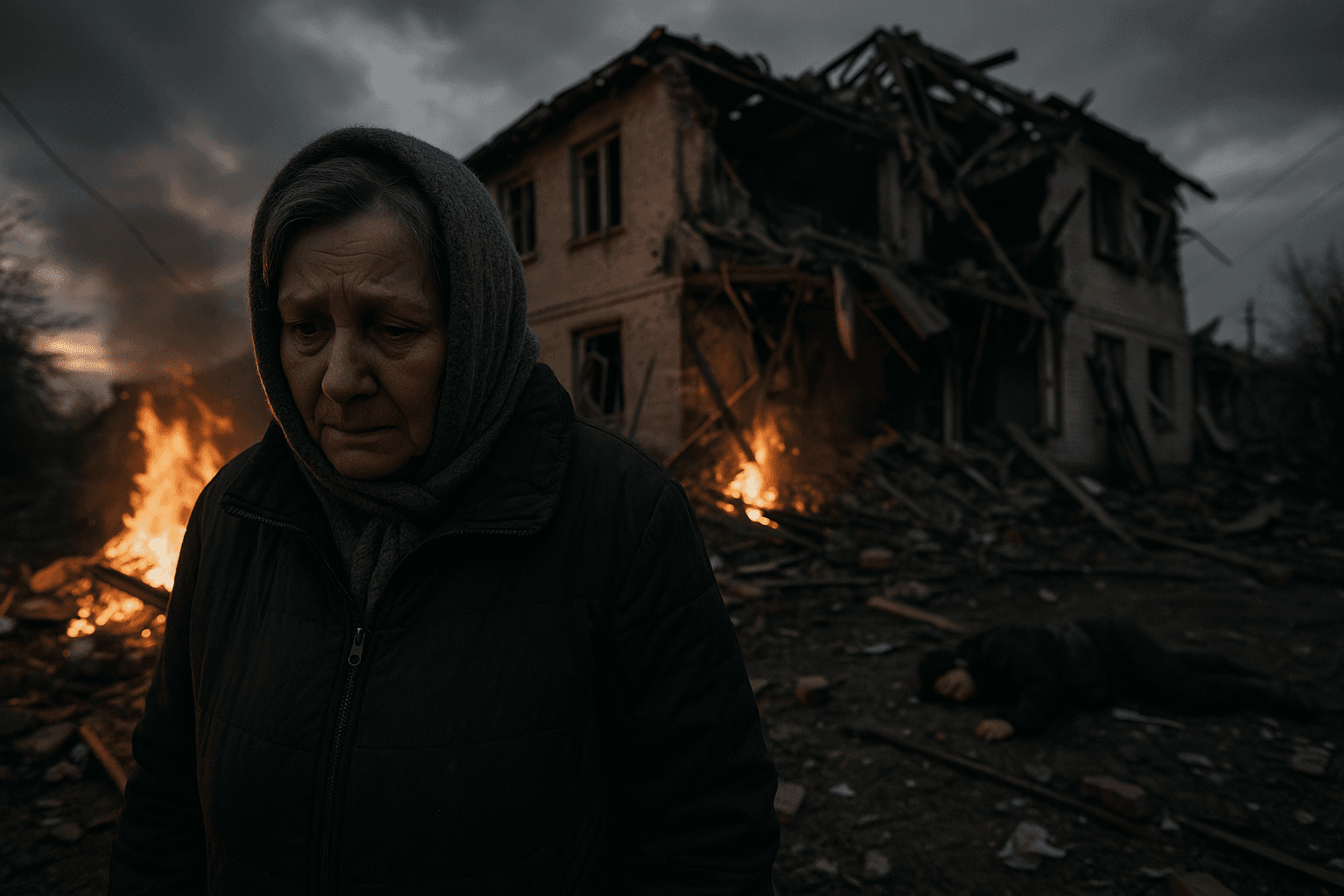
Russian forces launched a series of missile, drone and artillery attacks overnight and into Sunday that Ukrainian officials say struck homes, energy infrastructure and municipal services across several regions. Local authorities reported at least one man killed in a drone strike in Chernihiv, and further casualties and widespread outages followed strikes on Kremenchuk, an industrial city that hosts major refinery and petrochemical facilities.
Emergency services described damage to power substations and water supply networks, producing blackouts and interruptions to heating and potable water at a moment when temperatures are falling across much of the country. Officials in Kyiv and allied capitals voiced alarm at what they view as a deliberate pattern of striking utilities and civilian infrastructure, a tactic that would magnify hardship in the coming weeks and complicate relief and recovery efforts.
The attacks coincided with the conclusion of a third day of diplomatic discussions between U.S. and Ukrainian delegations, meetings that participants said were focused on negotiating steps to end the war. Ukrainian leaders maintained that diplomacy is ongoing even as the strikes continued, a stance intended to keep channels open while pressing for practical protections for civilians. Western officials have expressed concern that military pressure aimed at energy and water systems is intended to leverage winter conditions against the civilian population.
The juxtaposition of talks and strikes underscored the limits of diplomacy in the shadow of ongoing violence. Delegations in the talks are grappling with the paradox of exploring negotiated pathways while Moscow continues kinetic operations that undermine basic security for noncombatants. The disruptions to Kremenchuk, an industrial hub critical to regional fuel supplies, create additional economic and environmental risks that could outlast any ceasefire if infrastructure is left unrepaired.
Under international humanitarian law, parties to a conflict are obliged to avoid attacks that are indiscriminate or that target civilians and civilian infrastructure. Legal experts and diplomats say proving intent to use utilities as a weapon can be difficult, but pattern and timing of strikes may inform both criminal inquiries and political pressure on Moscow. For now, Kyiv and its partners are focused on documenting damage, protecting survivors and seeking emergency repairs while pressing for guarantees that would shield vital services.
Humanitarian agencies and local authorities face a race to restore services ahead of severe winter weather. Short term fixes for electricity and water distribution may keep hospitals and shelters functioning, but sustained damage would require large scale repair work that is difficult to carry out under continuing security threats.
As U.S. and Ukrainian teams depart the latest round of talks, the international community will be watching whether diplomatic momentum can be translated into tangible protections for civilians. The ongoing strikes serve as a stark reminder that any negotiated settlement will need robust enforcement mechanisms to prevent renewed attacks on the basic infrastructure that sustains civilian life.