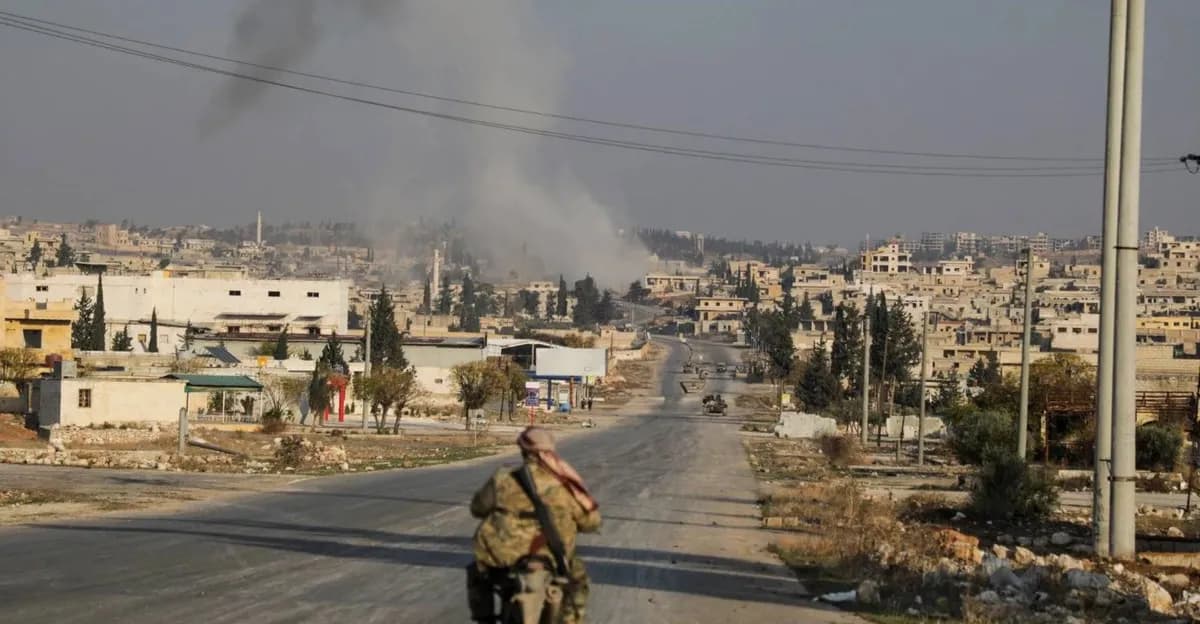
Somalia Protests Swell After Israel Recognizes Breakaway Somaliland
Hundreds of demonstrators gathered in Mogadishu on Jan. 8-9 to denounce Israel’s Dec. 26 recognition of Somaliland and a subsequent visit by Israel’s foreign minister to Hargeisa, intensifying a wave of nationwide protests. The move has united Somali political leaders behind a rejection of the recognition, escalated regional diplomatic tensions and raised security concerns for the Red Sea and Horn of Africa.
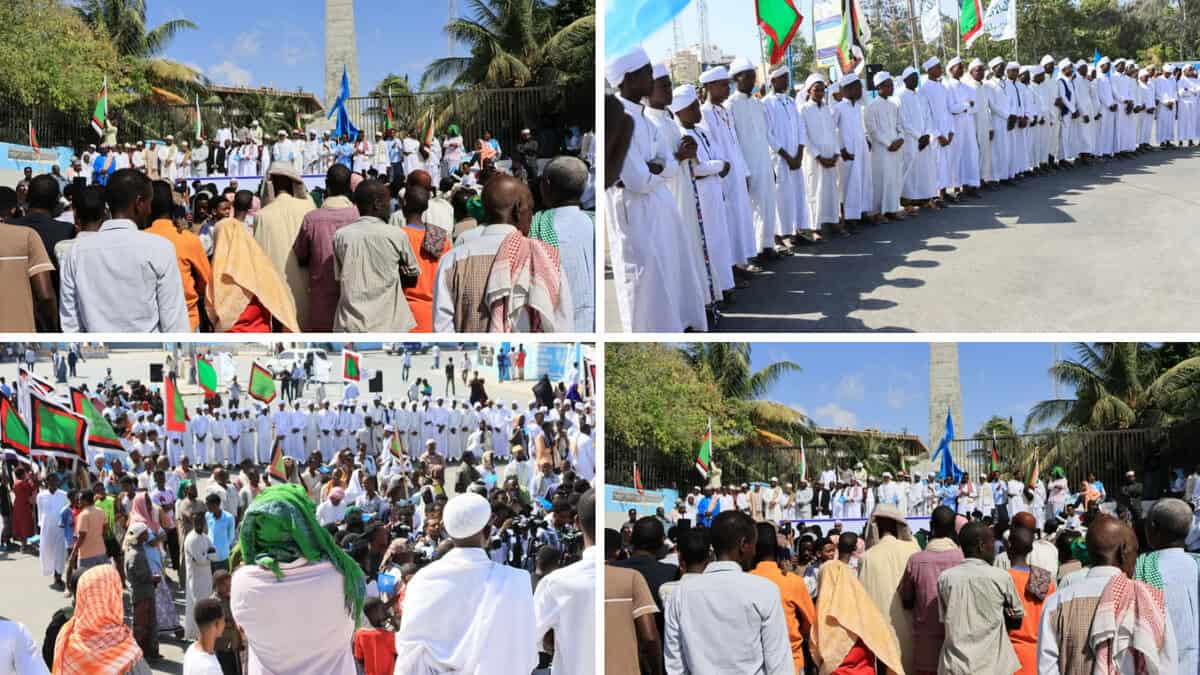
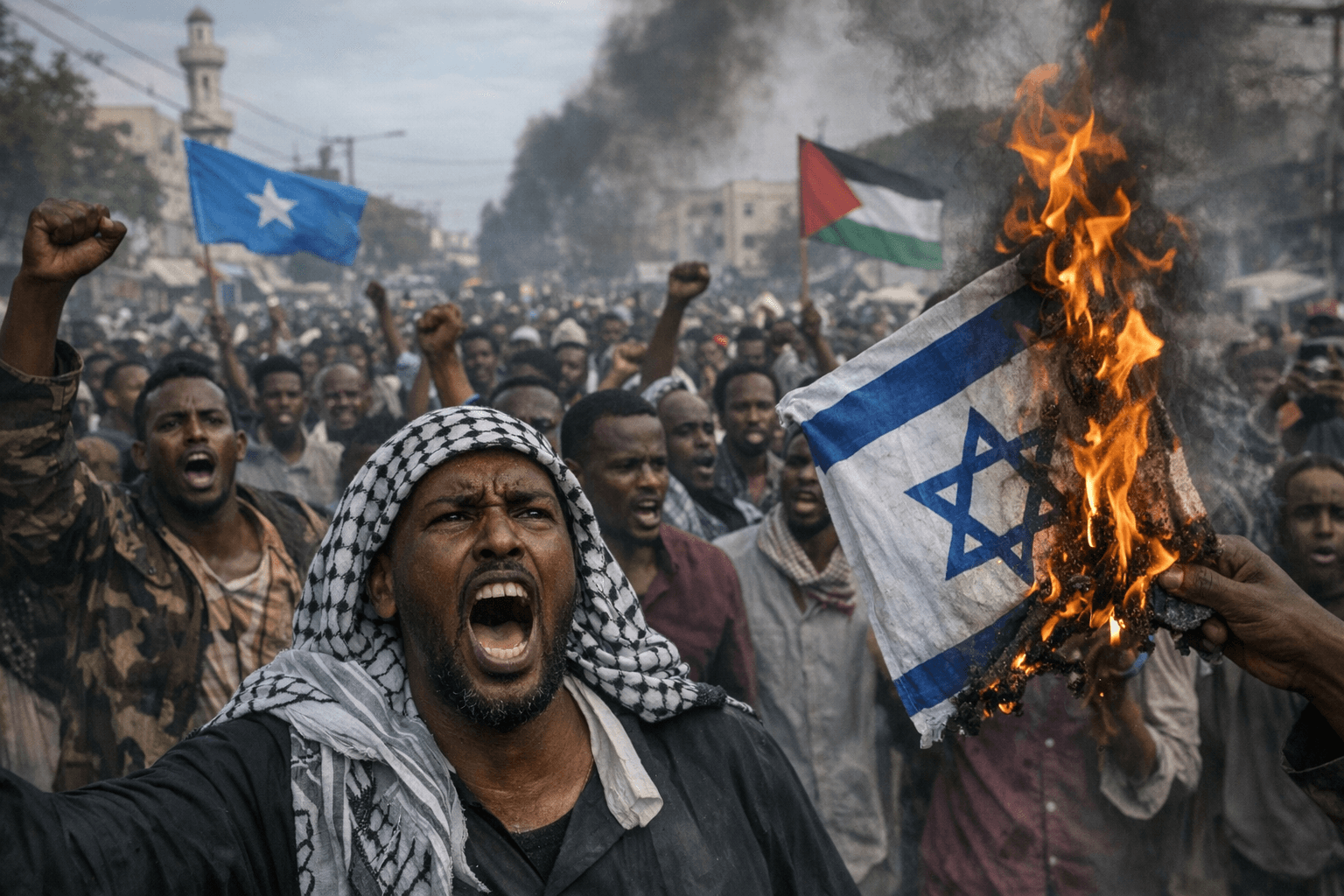
Hundreds of Somalis gathered in central Mogadishu on the night of Jan. 8, continuing into Jan. 9, as the third mass demonstration since Israel’s Dec. 26 recognition of Somaliland. Protesters assembled at Taleh Square under Somali flags, chanted patriotic slogans and paraded placards denouncing what they described as foreign interference in Somalia’s internal affairs. Video clips and eyewitness accounts show an Israeli flag dragged through the streets and trodden underfoot by some demonstrators.
The gatherings were framed by participants as a stand against partition. “We are protesting against the division of our country… This is against the sovereignty, independence and territorial integrity of Somalia,” said Said Gedi to assembled reporters. Another protester, Abdirahman Abdulkadir, described the action as a unifying message: “Somalia cannot be divided. We are united by one religion, one culture and the same heritage.”
President Hassan Sheikh Mohamud used a televised address to repudiate the recognition and to call for renewed dialogue with leaders in Hargeisa. “I want to make it clear once again that the Republic of Somalia is a sovereign and united country,” he said, adding that its territory “cannot be divided or ceded by any letter written by Israel or signed by (Israeli Prime Minister Benjamin) Netanyahu.” The National Consultative Council, chaired by President Mohamud and including the prime minister and regional leaders, issued a statement calling Israel’s recognition an “illegal step” that threatens regional security.
The protests in Mogadishu form part of a broader wave of demonstrations across Somalia, with major gatherings reported in Baidoa, Dhusamareb, Las Anod, Hobyo and northeastern regions, as well as at the capital’s main stadium and near the airport. The pattern has produced a rare domestic consensus among federal and regional officials against the recognition, complicating already fraught relations between Mogadishu and Hargeisa.
Israel’s diplomatic move, announced Dec. 26, and the subsequent high-profile visit by Israeli Foreign Minister Gideon Saar to Hargeisa on Jan. 6 have been the immediate catalysts. During the Hargeisa trip, Saar said Israel would “soon open an embassy and appoint an ambassador” to Somaliland, signaling a fast track toward formal diplomatic presence that has alarmed Somalia and a range of regional actors.
Somaliland leaders welcomed the recognition. Somaliland’s foreign minister, Abdirahman Dahir Adan, said the territory was “very grateful” and portrayed ties with Israel as natural partners, particularly on security cooperation in the Red Sea corridor. Conversely, more than 20 countries, mainly in the Middle East and Africa, along with the Organization of Islamic Cooperation, have rejected the decision. Egypt’s foreign minister warned that the recognition sets a “dangerous precedent that threatens regional and international peace and security.”
Beyond formal diplomacy, the move has raised security alarms. Houthi leaders have warned that any Israeli presence in Somaliland would be considered a “target,” and members of the UN Security Council have criticized the recognition. For Somalia, the episode reinforces nationalist sentiment, solidifies a unified diplomatic front, and risks drawing new external actors into an already volatile region where questions of sovereignty, self-determination and maritime security intersect.
Know something we missed? Have a correction or additional information?
Submit a Tip