Starmer Rejects Leadership Challenge and Urges Single-Market Alignment
In an extended BBC interview on Jan. 4, Prime Minister Keir Starmer dismissed calls for a change in Labour leadership as “not in our national interest,” reaffirming his five-year mandate and forecasting he will remain in office through 2027. He framed continuity and closer single-market alignment as central to delivering economic recovery and meeting voter expectations ahead of a busy 2026 election calendar.
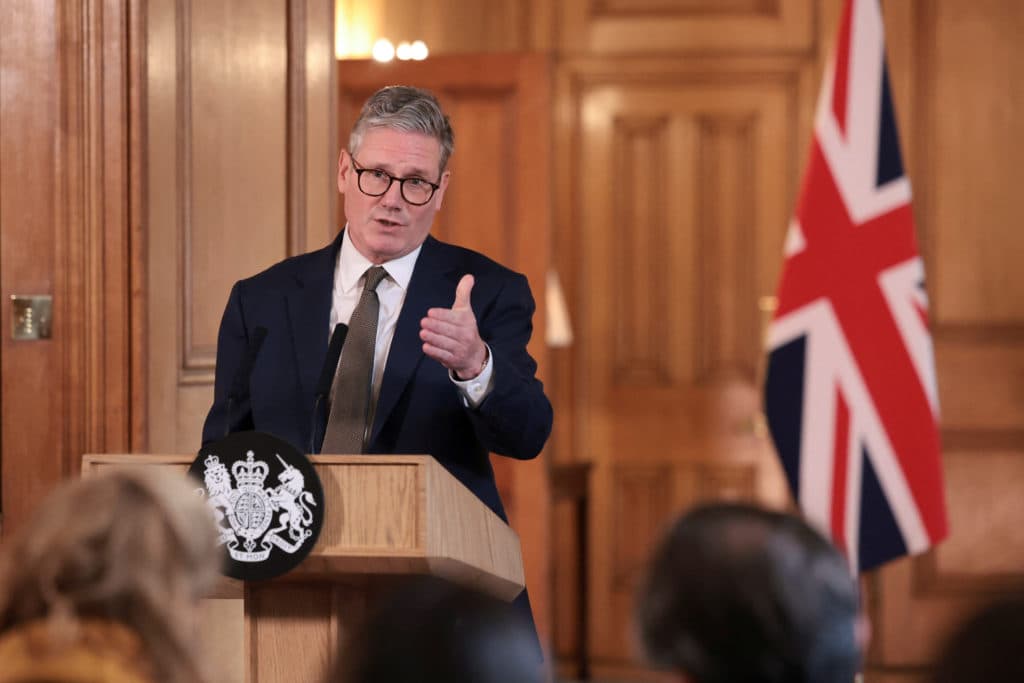
Keir Starmer uses an exclusive BBC interview to draw a line under speculation about his position, arguing that frequent leadership turnover would harm governance and hinder policy delivery at a delicate moment for the economy and the party. Speaking to Laura Kuenssberg on Jan. 4, the prime minister said he was elected in 2024 with a "five-year mandate to change the country" and insisted he intends to honour that mandate, telling viewers: "I will be sitting in this seat by 2027" and "I’ll be PM this time next year."
Starmer placed continuity at the centre of his defence, contrasting Labour's approach with the instability he says characterised the previous administration. "Under the last government, we saw constant chopping and changing of leadership, of teams, it caused utter chaos, utter chaos, and it’s amongst the reasons that the Tories were booted out so effectively at the last election," he said, adding: "Nobody wants to go back to that. It’s not in our national interest." Those remarks are designed to reframe internal party debate as a question of national stewardship rather than factional manoeuvring.
The interview comes after a testing 2025 for the government, marked by slowing economic growth, poor poll ratings and sustained internal pressure. Starmer acknowledged that voters will make the ultimate judgement at the ballot box, saying he will be judged at the next general election "on whether I’ve delivered on the key things that matter most to people," and he cautioned that the forthcoming May elections across the U.K. are not a "referendum" on his administration. He is pressing a narrative that 2026 will be the year decisions taken in 2025 begin to take effect and create momentum for his agenda.
A significant policy thrust in the interview was a renewed call for closer single-market alignment, which Starmer and his team portray as a pragmatic step to stabilise trade relationships and reduce regulatory friction that businesses cite as an obstacle to growth. Closer alignment carries political implications: it may appeal to business-oriented voters and some centrists weary of post-Brexit disruption, while provoking resistance from voters and MPs who view alignment as a retreat from sovereignty claims made during the Brexit debate. How Labour balances those pressures will shape voting patterns in local contests and the run-up to the 2027 general election.
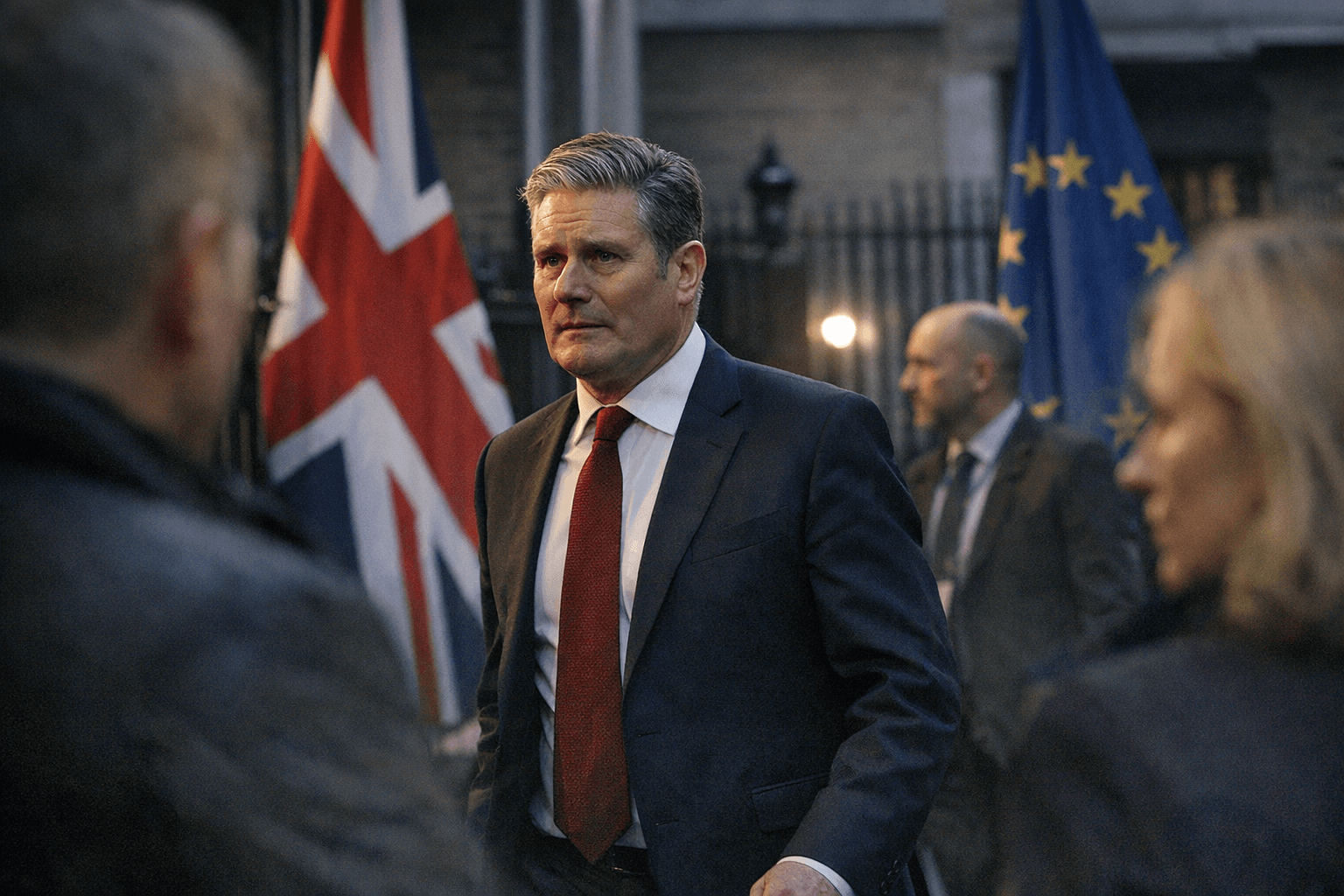
Starmer framed his broader political aim in moral as well as practical terms. In his New Year’s Day message he pledged to "defeat the decline and division offered by others" and said 2026 would bring people "positive change." The prime minister is pitching stability as both a governance necessity and an electoral argument: deliverable policies, steady leadership, and clearer trade arrangements as proof points for voters.
For now, party officials and voters will watch whether the appeal to continuity quiets internal dissent and whether economic indicators respond to policy measures rolling out this year. The next phases of implementation will test Starmer's claim that stability, rather than short-term poll fluctuations or leadership manoeuvring, is in the national interest.
Sources:
Know something we missed? Have a correction or additional information?
Submit a Tip