Supreme Court Refuses Bail for Khalid and Imam in 2020 Delhi Riots Case
The Supreme Court on Jan. 5 denied bail to activists Umar Khalid and Sharjeel Imam in a case tied to the February 2020 northeast Delhi riots, finding a prima facie case under the Unlawful Activities (Prevention) Act. Five other co-accused received conditional release, a split decision that intensifies debate over the UAPA, prolonged pre-trial detention, and limits on dissent.
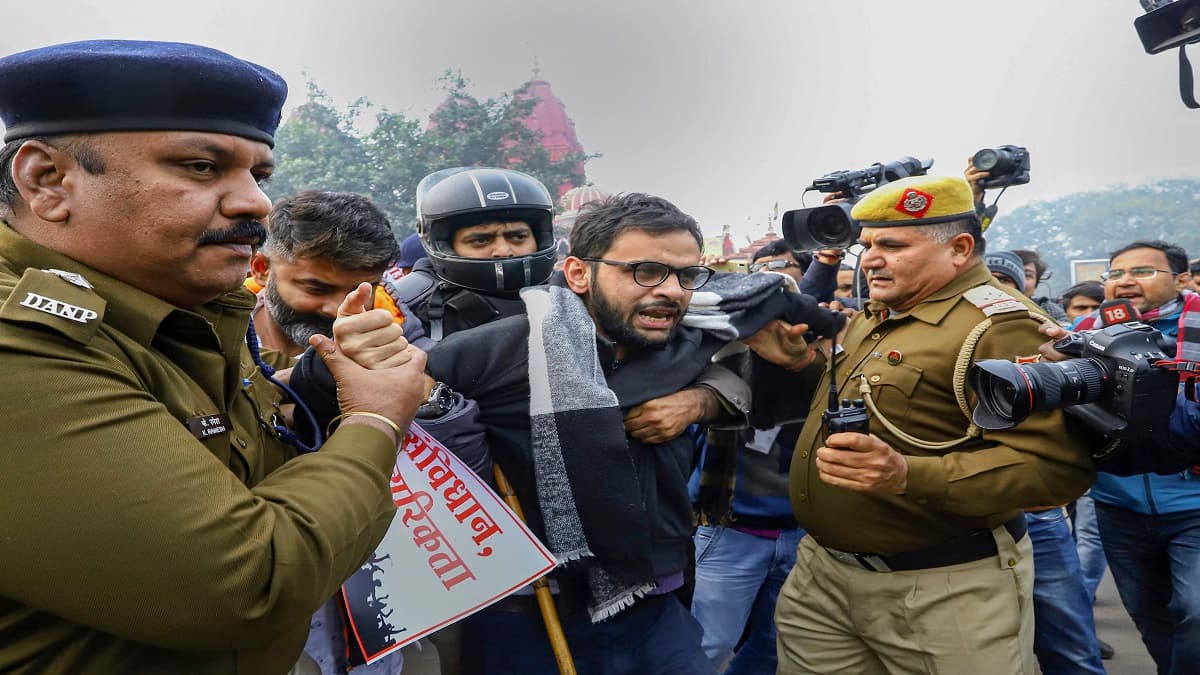
The Supreme Court on Monday rejected bail applications by Umar Khalid and Sharjeel Imam, ruling that the facts before the court established a prima facie case under the Unlawful Activities (Prevention) Act. The bench granted conditional bail to five other co-accused but drew a clear distinction between Khalid and Imam and the remaining petitioners, saying it “cannot treat all individuals equally” on the question of bail.
Khalid and Imam — both in pre-trial detention for more than five years — have been charged in an investigation arising from violence in northeast Delhi in February 2020. Delhi Police have consistently argued the actions were not spontaneous protests but part of a deliberate, well-orchestrated “pan-India” conspiracy allegedly intended to destabilize the state, effect “regime change” and cause “economic strangulation.” The prosecution has relied on UAPA provisions, under which the standard for bail is markedly stricter than for ordinary criminal offences.
The court’s decision underscored the tension between statutory safeguards and the effect of prolonged detention. The bench observed that delay in conducting a trial does not automatically override statutory protections embedded in laws such as the UAPA, and left open the possibility of a fresh bail application by the two petitioners after one year. The ruling therefore turned on the perceived seriousness and the specific evidence presented against Khalid and Imam, rather than adopting a uniform approach to all co-accused.
Justice system observers noted the decision will sharpen scrutiny of how anti-terror and anti-unlawful activity statutes are applied to political activists and protest figures. The combination of extended pre-trial detention and the high bar for bail under the UAPA raises institutional questions about timeliness of trials, access to a speedy judicial process, and the balance between state security claims and civil liberties. These legal dynamics also carry political implications: prolonged detentions under stringent statutes can chill civic participation and influence public perceptions of judicial fairness ahead of electoral cycles.
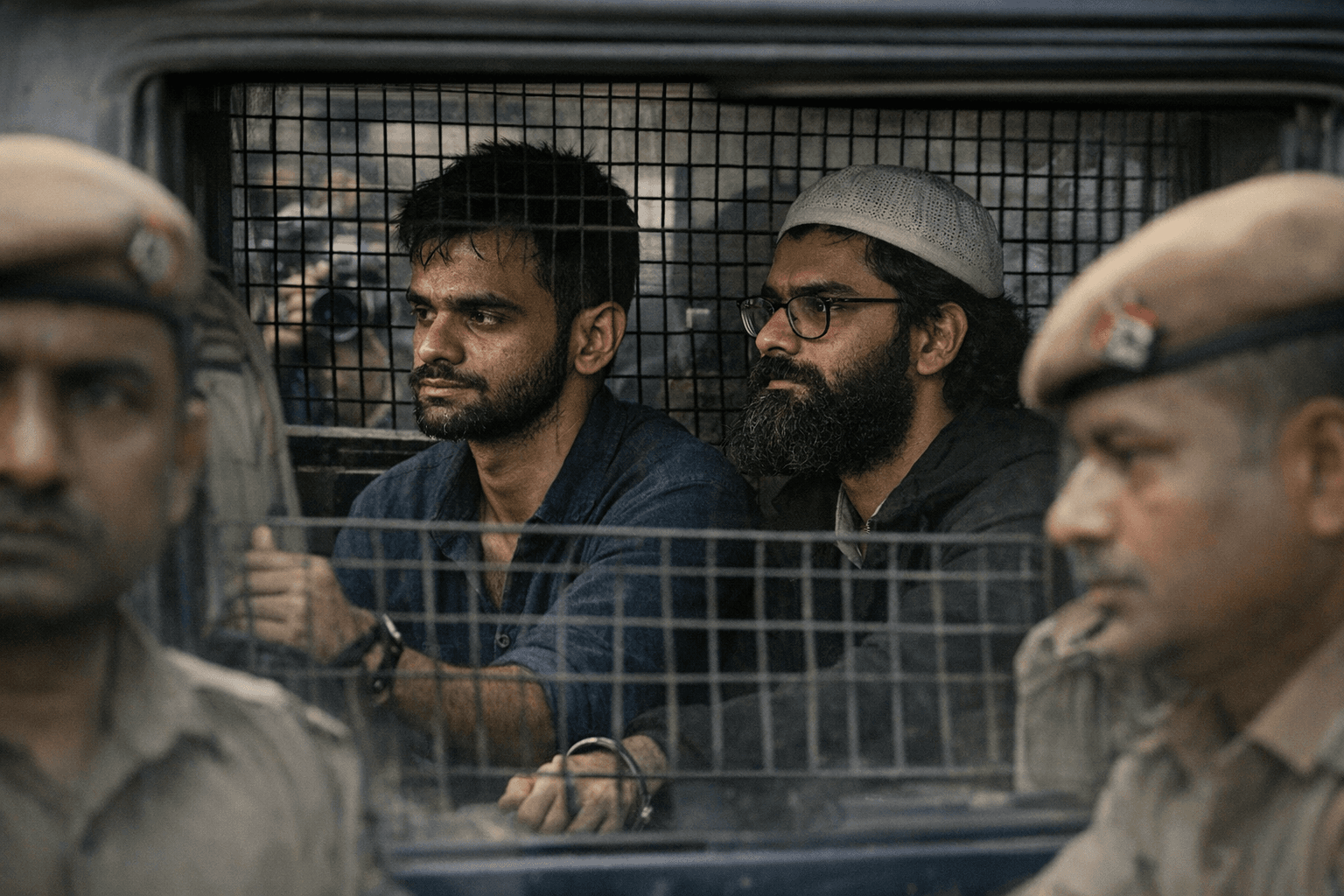
The court released five co-accused on conditions. Public lists identify them as Gulfisha Fatima, Meeran Haider, Shifa Ur Rehman, Mohd. Saleem Khan and Shadab Ahmed, though some public statements and filings have varied in the names reported, including references to Khalid Saifi in one advocacy group’s list. That divergence in published names points to the need for authoritative court records to establish an exact roster of those granted bail.
Reactions were immediate. The advocacy group Hindus for Human Rights described the decision as a miscarriage of justice, labeled the UAPA “draconian,” and urged the immediate release of Khalid and Imam. Banjyosna Lahiri, Umar Khalid’s partner, posted her partner’s reaction on social media, quoting him as saying he was “really happy for the others who got bail” and that “jail was his life now.” Senior legal commentators have also weighed in on national broadcasts, framing the ruling within broader debates over free speech, protest rights and national security law.
The next steps include obtaining the full text of the Supreme Court order to assess the detailed legal reasoning distinguishing Khalid and Imam from other petitioners, clarifying the timeline of filings, and monitoring whether and when either petitioner seeks renewed bail. The case will remain a focal point for debates about the UAPA, judicial safeguards, and the limits of dissent in a democratic polity.
Sources:
Know something we missed? Have a correction or additional information?
Submit a Tip