Trump Administration Reignites Push for Greenland Control and Options
The White House in early January rekindled a controversial proposal to bring Greenland under U.S. control, with officials discussing everything from purchase to military measures. The renewed rhetoric spotlights Arctic geopolitics, raises questions about alliance cohesion with Denmark, and touches on indigenous sovereignty and international law that matter to global security and trade.

On January 6, 2026, the White House again drew international attention by raising the possibility of the United States seeking control of Greenland. Administration officials discussed a range of options — including purchase and, in inflammatory rhetoric, military measures — as part of a broader push to assert U.S. influence in the Arctic, according to internal briefings shared with senior policymakers.
The proposal revived echoes of earlier efforts to acquire the island and came amid a flurry of early-January White House messaging that positioned the Arctic as a strategic priority. Greenland, an autonomous territory within the Kingdom of Denmark, occupies a pivotal location between North America and Europe and has become central to debates over shipping routes, natural resources exposed by melting ice, and the projection of military power in the high north.
The suggestion that the United States might seek outright control of Greenland immediately raised diplomatic and legal complications. Under modern international law, the forcible acquisition of territory is widely regarded as illegitimate, and any moves to alter sovereignty would risk a rupture in relations with Denmark, a NATO ally. The conversation also intensified concerns among Greenlandic political leaders and indigenous communities about their right to self-determination and control over local resources and governance.
Allied capitals reacted cautiously to the renewed rhetoric. European diplomats warned that even exploratory talk of purchasing territory or deploying military coercion could undermine trust within NATO at a time when alliance solidarity is considered essential to deterrence. The Arctic is already an arena of heightened competition: Russia has expanded its military infrastructure in the region, and China has sought greater influence through investment and scientific programs. U.S. consideration of more assertive options reflects those strategic anxieties, but it also risks creating a new front of diplomatic friction.
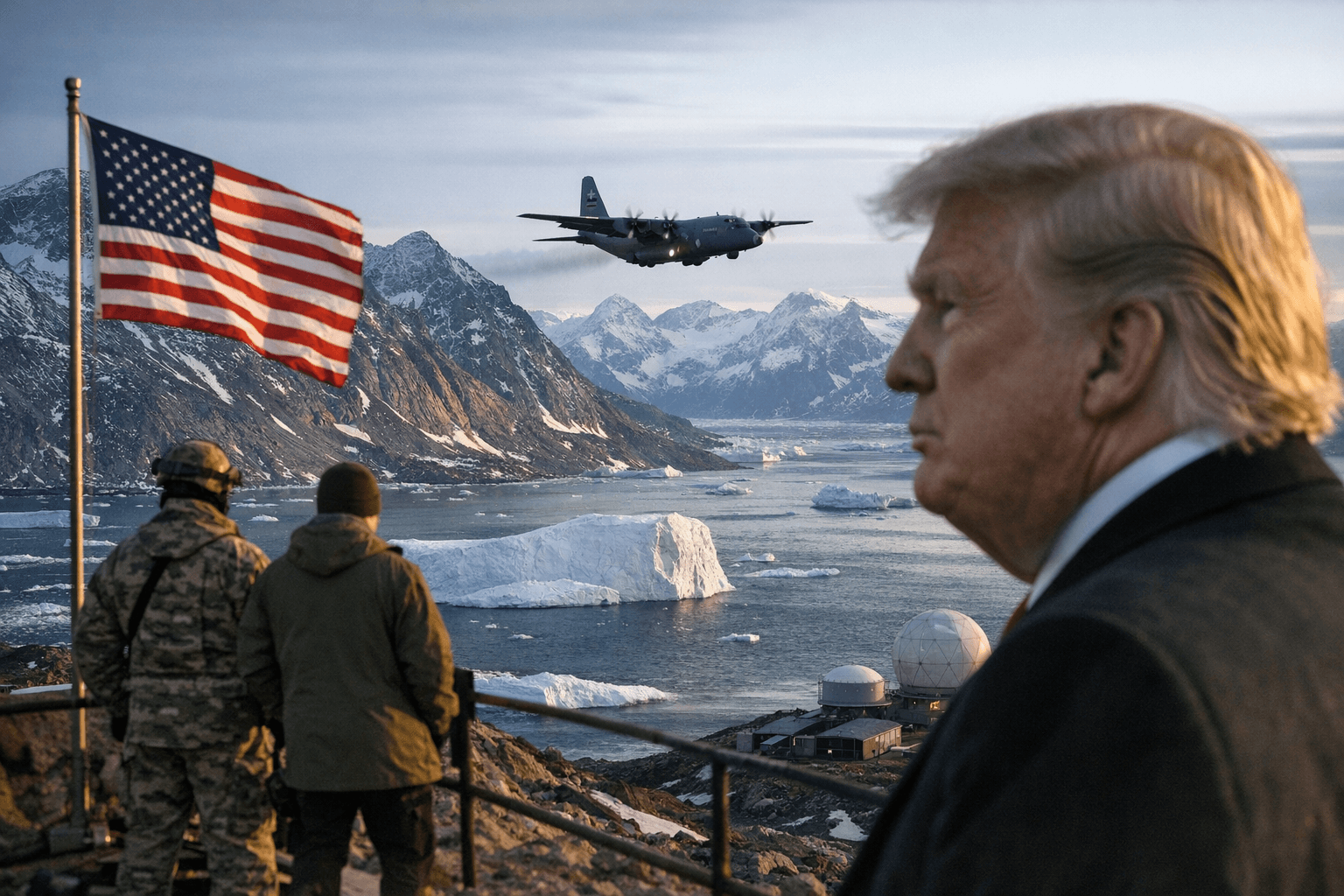
Within Washington, the conversation about Greenland appears to be part of a broader effort to frame American policy as muscular and preventive in the Arctic. Officials argued that securing stronger U.S. presence would protect critical lines of communication and resources. Critics countered that rhetoric bordering on coercion would be self-defeating, alienating partners and obscuring the need for cooperative Arctic governance through forums such as the Arctic Council.
For Greenlanders, the stakes are immediate. Any discussion of transferring sovereignty or altering the island’s status would involve local institutions and indigenous rights that have evolved over decades of home rule. Political leaders in Nuuk have consistently emphasized the importance of consultation and consent on decisions affecting the island’s future.
The episode underscored how Arctic strategy now intersects with alliance politics, indigenous rights, and global competition. U.S. deliberations over Greenland are not solely about land; they are about influence in an environment transformed by climate change and strategic rivalry. How Washington proceeds will test legal norms and diplomatic ties alike, and it will shape the wider international architecture that governs the Arctic in the years ahead.
Sources:
Know something we missed? Have a correction or additional information?
Submit a Tip