Sumatra floods and landslides kill more than 900, survivors trek for aid
Catastrophic floods and landslides across Sumatra killed more than 900 people as survivors in remote communities trekked hours over slippery logs and overturned cars to reach volunteer aid distribution centres. The scale of destruction has exposed urgent humanitarian needs, strained local infrastructure and sharpened debate over deforestation and land use policies that may have amplified the disaster.
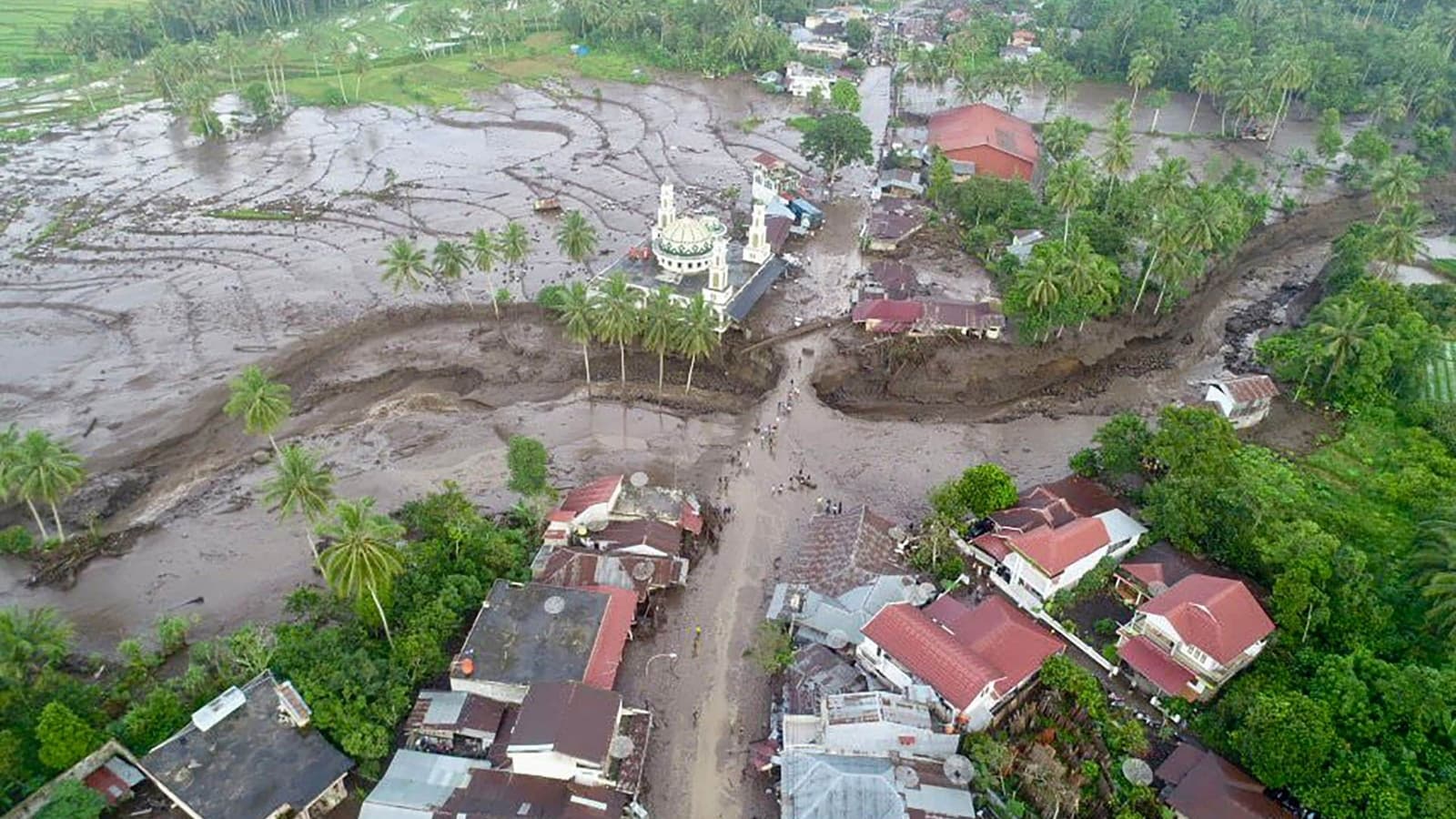
Catastrophic floods and landslides triggered by a powerful cyclone and extreme rainfall swept across Sumatra on December 6, leaving more than 900 people dead and hundreds more unaccounted for, officials said. The provinces of Aceh, North Sumatra and West Sumatra were most affected, with thousands of homes destroyed and many isolated communities cut off by damaged roads and washed out bridges.
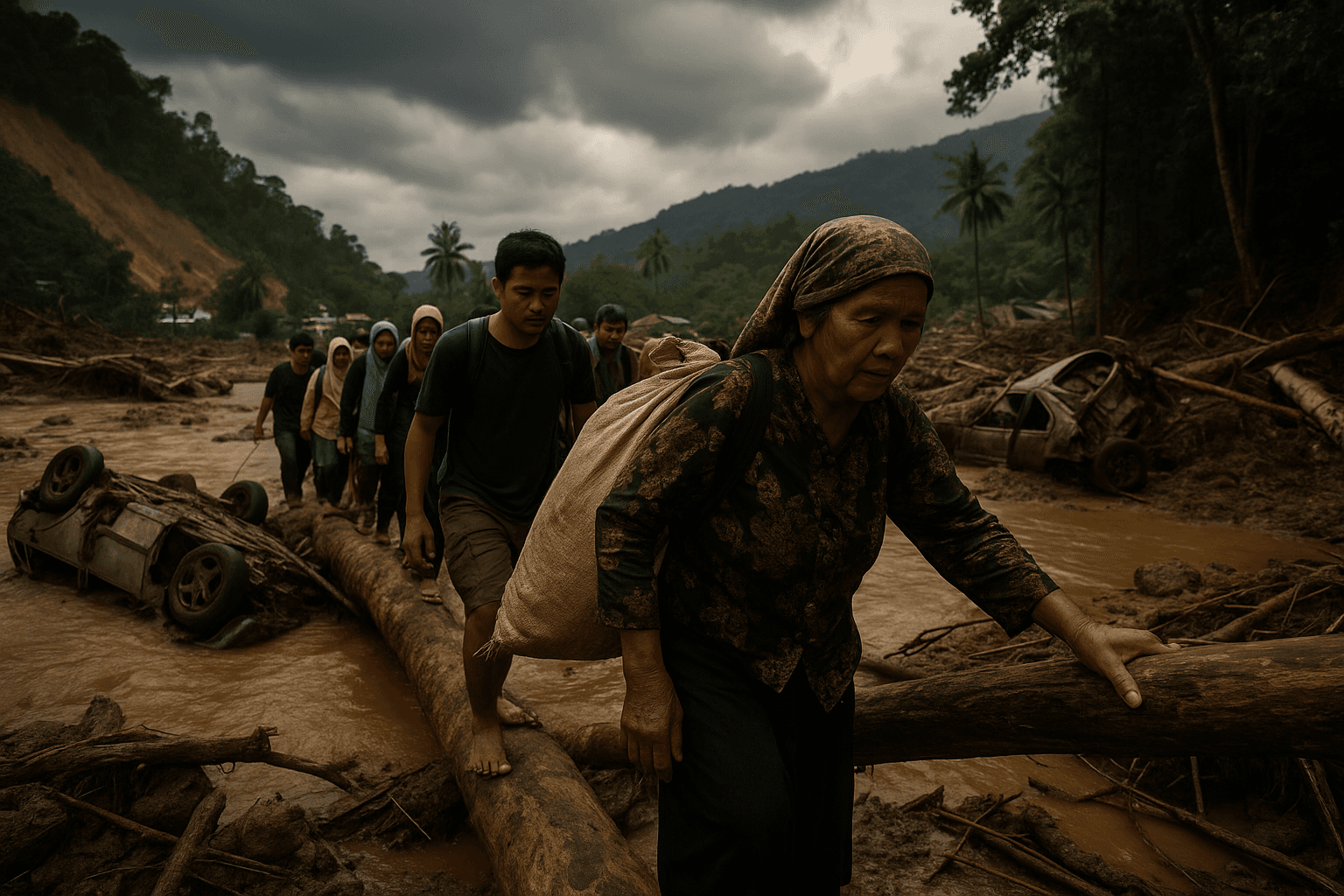
In Aceh Tamiang, survivors described walking for hours over slippery logs and overturned cars to reach volunteer aid distribution centres, underscoring the difficulty of delivering relief in terrain transformed by mud and debris. Emergency teams from the national disaster agency and local volunteers established temporary distribution points where they could, but officials warned that access problems and heavy rainfall continued to slow search and recovery operations.
Relief coordinators reported mounting humanitarian concerns as water supplies and sanitation systems failed in isolated villages. Health authorities expressed growing fears of disease outbreaks and food shortages for communities that remained unreachable. With cold conditions in some highland areas and limited shelter, the immediate needs included safe drinking water, medical supplies, high energy food rations and temporary shelter materials.
Environmental groups and some local officials pointed to years of extensive deforestation and land clearing as factors that worsened the scale and speed of the floods and landslides. Satellite imagery analysed by environmental organisations in previous seasons has shown large tracts of forest converted to plantations and logging concessions in parts of Sumatra, reducing natural barriers to runoff and increasing erosion. Authorities said they were investigating and had suspended activities at some suspected illegal sites while assessing links between recent land use changes and landslide locations.
The economic fallout will compound a fragile local recovery. Sumatra is a major agricultural hub for commodities including palm oil and rubber. Disruptions to roads and plantation infrastructure could depress output in the near term, squeeze incomes for smallholder farmers and add to supply chain volatility. Indonesia is the world’s largest palm oil producer, and while a single event rarely alters global prices materially, sustained infrastructure damage and lost harvests would put upward pressure on costs for processors and exporters and could affect regional commodity markets.
Budgetary pressure on provincial governments will rise as emergency relief shifts into reconstruction. Rebuilding roads, bridges and public utilities amid difficult terrain will require significant fiscal resources and could divert spending from social programmes. The disaster also sharpens a longer term policy debate in Jakarta about enforcing land use regulations, restoring forest cover and investing in climate resilient infrastructure. Analysts say stronger enforcement of zoning and faster permitting reforms for resilient road design will be necessary to reduce vulnerability to increasingly intense weather events.
As rescue teams continued recovery operations, planners warned that the full human and economic cost would only become clear when access is restored to all affected villages. For now, the immediate priority is reaching cut off communities with food, clean water and medical aid, while authorities coordinate investigations into whether illegal deforestation played a decisive role in the catastrophe.