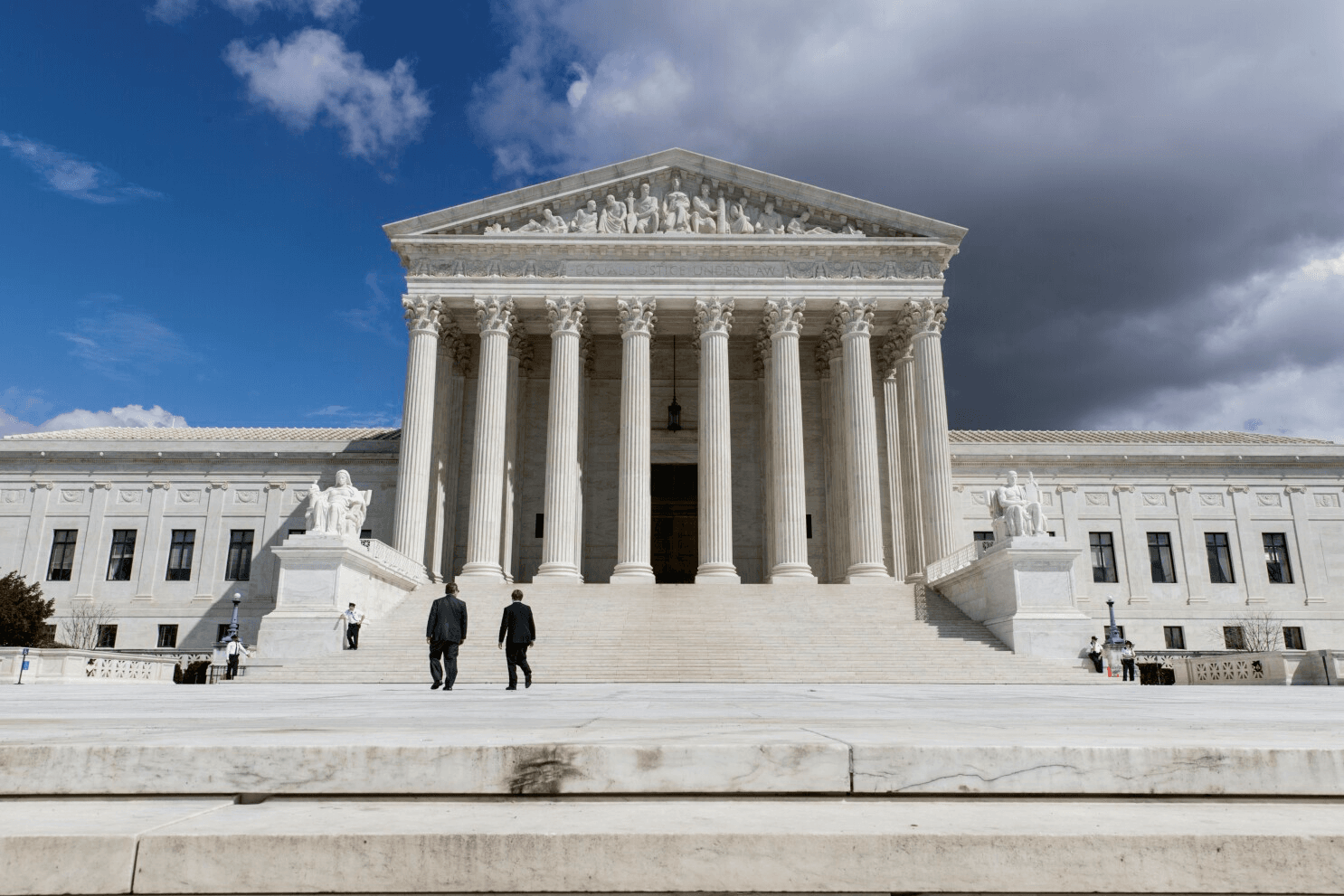
Supreme Court to Decide Challenge to Trump Birthright Citizenship Order
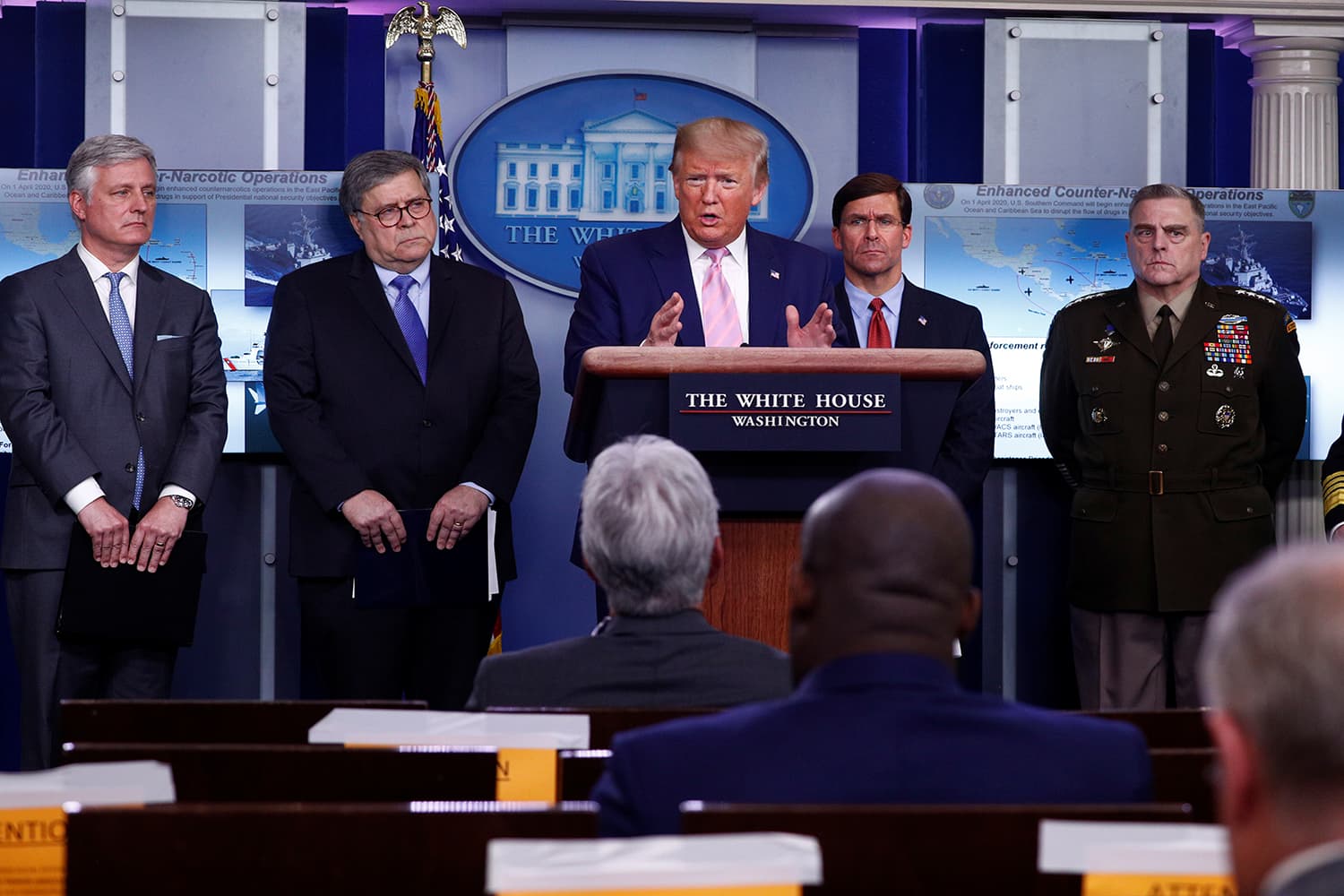
The Supreme Court agreed today to hear the Justice Department appeal of a lower court injunction that blocked President Donald Trump’s executive order restricting birthright citizenship. The case raises fundamental questions about the 14th Amendment and could reshape immigration policy, legal precedent, and the citizenship status of thousands of children.
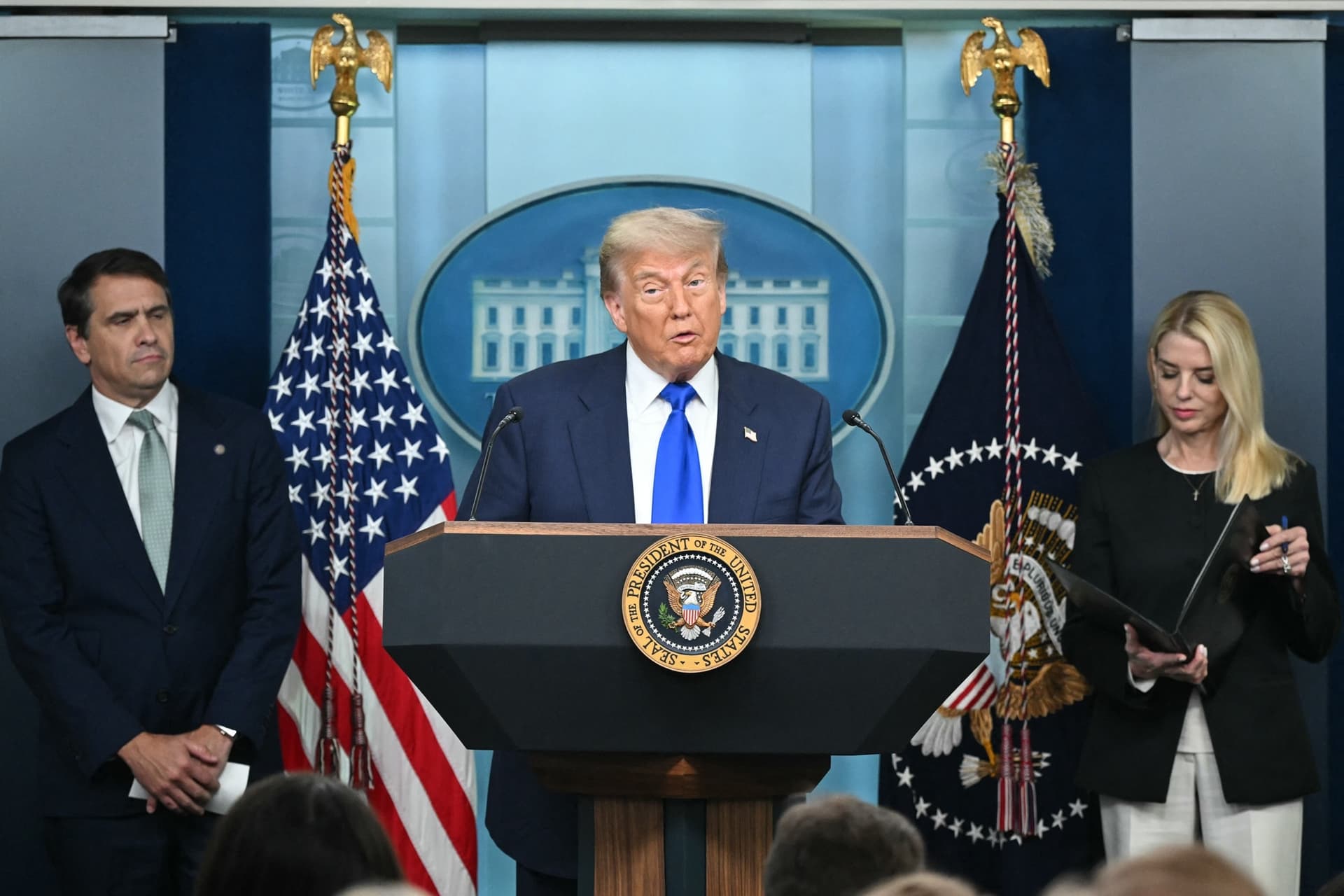
The Supreme Court on Friday agreed to take up an appeal by the Justice Department challenging a lower court ruling that blocked President Donald Trump’s executive order restricting birthright citizenship. The order, signed on January 20, 2025, directed federal agencies not to recognize United States citizenship for children born in the United States to parents who are neither citizens nor lawful permanent residents. Lower courts enjoined the rule as inconsistent with the Citizenship Clause of the 14th Amendment and with federal statute. The administration argues that the clause does not extend to parents only temporarily present in the country or unlawfully present.
The court set arguments for the spring term and indicated it expects to issue a decision by early summer 2026. The question presented goes to the heart of constitutional interpretation, administrative power, and the reach of long standing legal precedent. A ruling in favor of the administration would effectively overturn more than a century of jurisprudence, including United States v. Wong Kim Ark, and could end or sharply curtail the practice of jus soli, or birthright citizenship, that has been widely observed in the Western Hemisphere.
Legal scholars and immigration experts are watching closely for how the justices frame the Citizenship Clause and the role of executive action in altering statutory and constitutional rights. The case will test whether an executive order can redefine an established constitutional term that courts have historically read to grant citizenship to virtually all persons born on U S soil. If the court upholds the lower court injunction, the decision would preserve existing interpretations and constrain executive efforts to change citizenship policy without congressional action.
Beyond constitutional doctrine, the stakes are practical and immediate. A ruling for the administration could render the citizenship status of an untold number of children uncertain, creating potential administrative burdens for hospitals, state vital records offices, and federal agencies. Families could face new legal contests over documentation and access to benefits, and states might see increased litigation over birth certificates and school enrollment. A ruling against the administration would avoid those disruptions and maintain the long standing certainty that children born in the United States are citizens regardless of their parents’ immigration status.
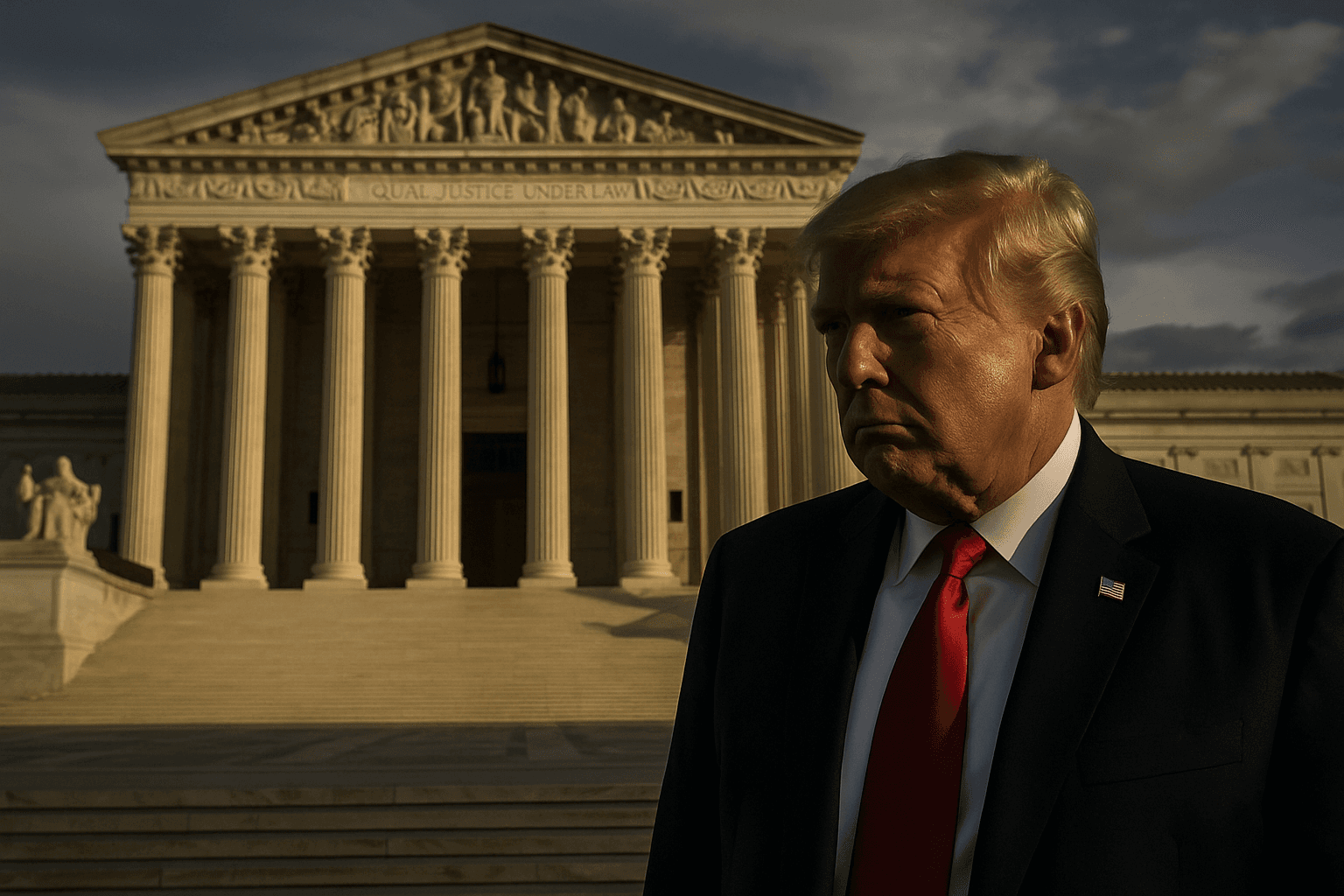
The decision will also have political ramifications. Immigration policy and citizenship have been central themes in national debates and electoral politics, and the high court’s ruling could reshape campaign narratives and mobilize voters on both sides of the issue. Congress retains the authority to legislate on citizenship if it chooses, but passage of any statute that departs from constitutional text would itself provoke immediate judicial review.
As the court moves toward oral arguments, advocates on both sides are expected to press novel constitutional histories and administrative law theories. The case will be a test of institutional boundaries between the presidency, the legislature, and the judiciary, and it will determine whether a century of settled law yields to an executive redefinition of who counts as an American at birth.