Swiss Economy Minister to Hold Press Conference on U.S. Tariff Deal
Switzerland's economy ministry called a December 10 briefing after a preliminary agreement with the United States to cut duties on certain Swiss goods. The pact, if finalized, would slash some U.S. tariffs from about 39 percent to 15 percent, a change that could materially affect Swiss exporters and bilateral trade ties.
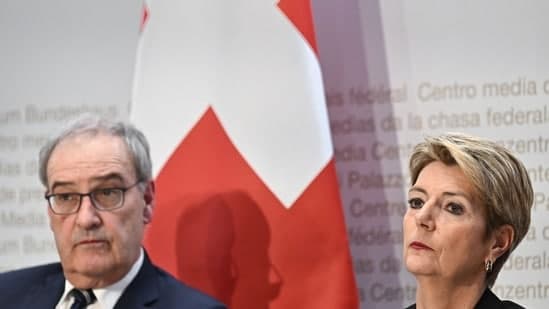
Switzerland's economy ministry invited the press to a December 10 briefing following a preliminary tariff agreement with the United States, signaling a potential deescalation in an episodic trade dispute that has weighed on Swiss exporters. According to Swiss officials, the deal would reduce U.S. duties on some Swiss goods from roughly 39 percent to 15 percent, though the ministry did not provide full details in its invitation and said a formal announcement could arrive by mid December.
The reduction targets categories that had faced steep levies, intensifying pressure on firms that rely on the U.S. market. Swiss exporters have described the earlier tariffs as punitive in scope, and the preliminary cut would represent a meaningful easing of trade costs for affected goods. Sectors likely to feel the benefits include precision manufacturing, luxury goods and certain specialty chemical and machine tool exports, all areas where Switzerland runs significant global market positions.
Market participants are watching the ministry brief for concrete product lists, implementation timelines and any side agreements on enforcement or dispute resolution. A cut from about 39 percent to 15 percent would substantially narrow price wedges for U.S. importers and could lower retail prices or restore margins for Swiss suppliers. That dynamic could revive orders that were postponed or rerouted due to the tariff shock and reduce the incentive for supply chain relocation away from Swiss inputs.
Beyond immediate commercial relief, the talks carry broader diplomatic and policy implications. The preliminary accord fits into an international pattern of targeted bilateral negotiations to resolve isolated trade frictions rather than broader multilateral renegotiation. For Switzerland, which depends on open market access for a high value added export mix, the outcome will be a test of how effective focused diplomacy can be in undoing measures imposed during periods of geopolitical or economic friction.
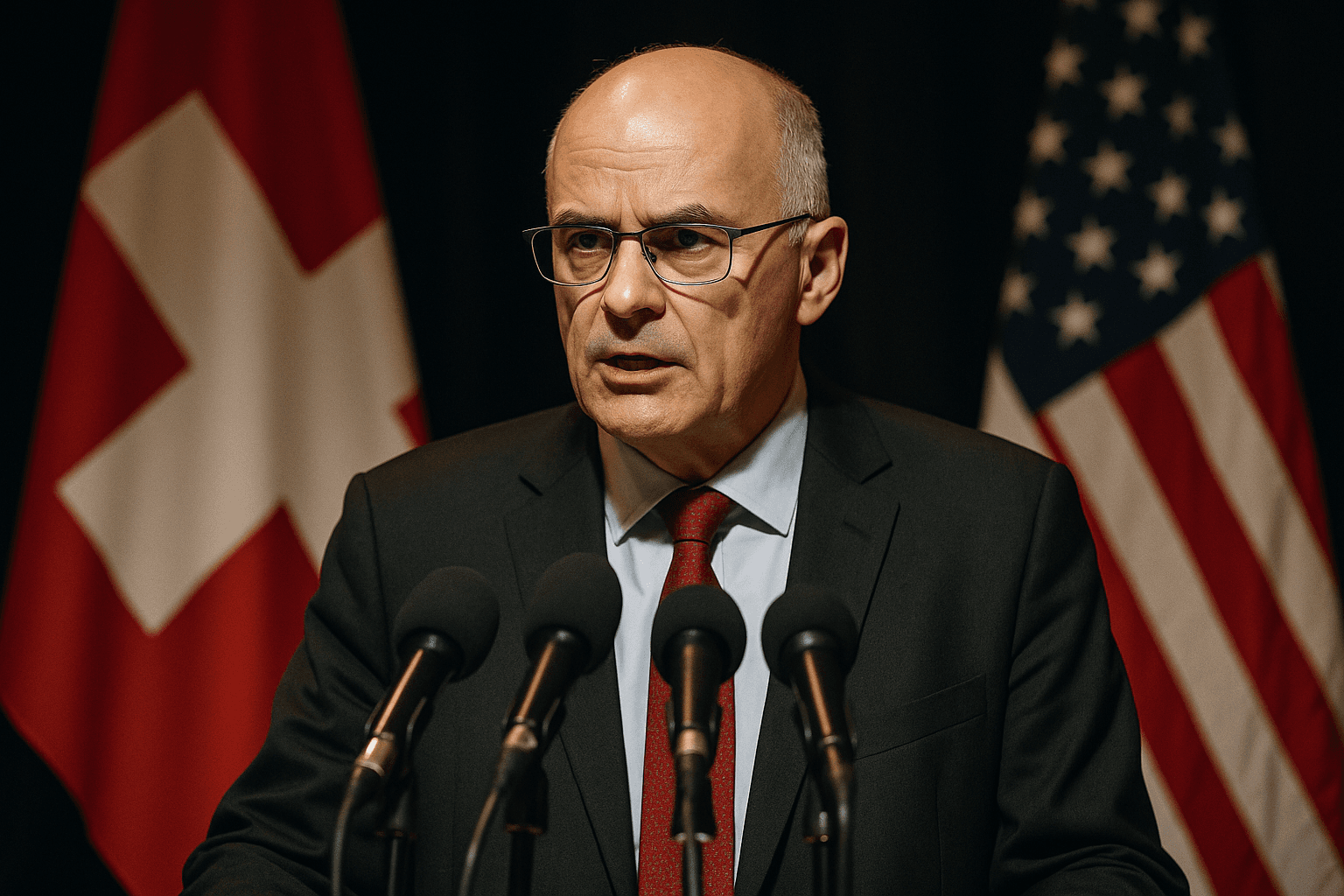
Analysts caution that preliminary agreements do not always translate into full implementation. Key questions include whether the tariff reductions require legislative or administrative acts in either country, whether exclusions will be narrow or expansive, and whether the U.S. will demand reciprocal concessions in regulatory or procurement areas. Swiss ministers had previously indicated that a formal announcement could come by mid December, leaving only a narrow window for final technical work and political sign off.
If the deal proceeds, small and medium sized exporters would be the immediate beneficiaries given their limited ability to absorb sudden tariff hikes. Longer term, the outcome could set a precedent for how Washington handles tariffs on high value added suppliers in compact economies. The ministry briefing will provide the first official clarification on which products are covered and how fast relief will take effect, and its details will determine the scale of the economic reprieve for Swiss industry and the trajectory of U.S. Switzerland trade relations.
Sources:
Know something we missed? Have a correction or additional information?
Submit a Tip