Temporary Art Installation Removed from UNC Asheville Woods Sparks Debate
Dozens of handmade bats, riddles and treasure-map elements placed in UNC Asheville’s South Campus Woods were removed by university officials on January 7 after administrators cited safety and maintenance concerns. The removal highlights tensions between community activism aimed at protecting campus green space and university land-management policies that limit unregulated installations and visitor activity.
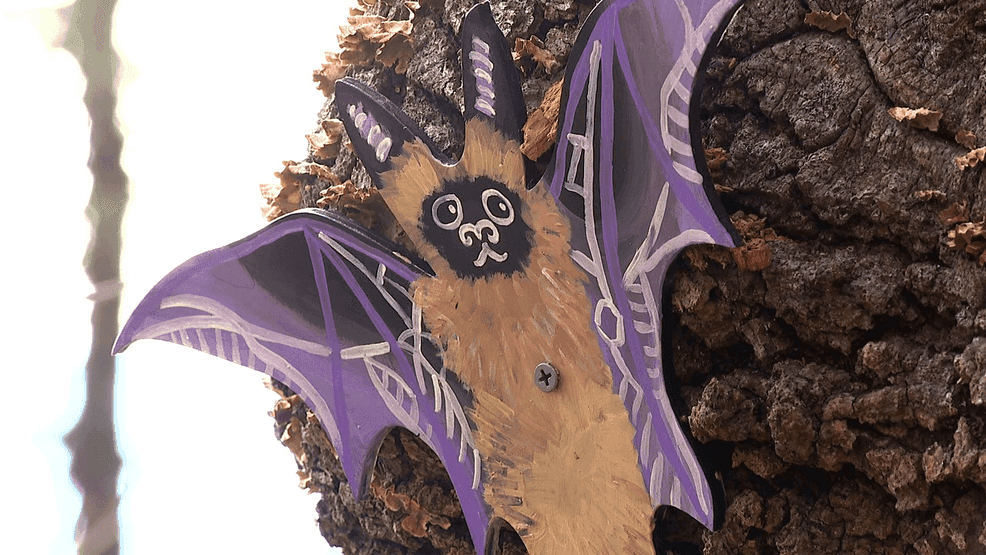
University officials removed a temporary art installation from UNC Asheville’s South Campus Woods on January 7 after concluding the site could not safely accommodate the display. The installation, created by a local artist, included dozens of handmade bats along with riddles and treasure-map elements intended to draw public attention to the forest and to concerns about potential development.
The artwork attracted community interest before university staff intervened, and the removal prompted questions about how public-facing campus land is managed. UNC Asheville emphasized that South Campus Woods are not maintained to safely welcome installations or unregulated visitor activity, and officials framed the action as a matter of safety and site maintenance rather than content control.
The dispute crystallizes competing priorities for a cherished local resource. For residents and students, the woods function as a place for recreation, study and habitat. For university administrators, the woods are campus property that require management for safety, liability and conservation goals. Activists and artists who use campus landscapes to raise awareness of development risks say informal installations can prompt public scrutiny when formal channels for input on land use are perceived as limited.
This episode carries practical implications for civic engagement and local governance. Land-use decisions on public university campuses are shaped by institutional policies and oversight structures that include campus administrators and governing bodies. When community members seek to influence those decisions, structured avenues such as public comment, campus meetings and engagement with elected officials who oversee state-appointed governing boards become the means by which concerns about development or conservation are advanced.

The removal also raises questions about transparency and permitting. Clear, public rules for temporary displays and community projects could reduce friction between artists and campus managers while preserving safety standards. Conversely, strict prohibitions on unpermitted installations can heighten frustration among residents who feel excluded from decisions about campus land.
For Buncombe County voters and civic groups, the incident is a reminder that governance of local green spaces intersects with broader political processes. Voting patterns and turnout in local and state elections influence who serves on bodies that affect public higher education policy and land-management oversight. Sustained community engagement, informed participation in public meetings and attention to governance timelines will shape how similar disputes are resolved in the future.
As campus and community stakeholders consider next steps, the balance between open civic expression and institutional responsibility for safety and stewardship will remain a central point of debate.
Sources:
Know something we missed? Have a correction or additional information?
Submit a Tip