Tennessee River Tourism Anchors Decatur County's Outdoor Economy
Decatur County’s recreation economy centers on a cluster of riverfront assets — golf, campgrounds, marinas, protected natural areas and historic sites — that together support weekend visitors, anglers and family agritourism. Those offerings sustain local businesses, create seasonal employment and present planning choices for county leaders balancing conservation with modest tourism growth.
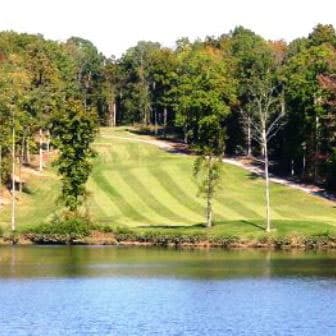
Decatur County’s tourism profile is built around the Tennessee River and a handful of complementary attractions that make the county a practical destination for river recreation, nature hikes and small‑town heritage tourism. At the center is Tennessee River Golf Club, an 18‑hole course set on rolling river hills with four tee sets, a pro shop and practice facilities that accommodate a range of skill levels. That golf amenity broadens the county’s draw beyond boaters and anglers.
River access and boating infrastructure are extensive. Multiple full‑service marinas — Cherokee Marina & Grill near Parsons, Fisherdale Marina and Mermaid Marina near Decaturville, Perryville Marina in Parsons and RiverStone Marina at Bath Springs — offer boat slips, fuel, rentals and river services, making the county a functional base for multi‑day river outings. Beech Bend Park, five miles east of Parsons, provides a year‑round riverfront campground with tent and RV sites, picnic facilities, two boat ramps, playgrounds and lakeside fishing access that support family stays and overnight visitation.
Conservation and heritage assets add depth to the market. Carroll Cabin Barrens State Natural Area is a 250‑acre site featuring limestone glades, rare plants and a two‑mile trail, managed cooperatively by Decatur County Parks & Recreation and the Tennessee Division of Natural Heritage. Brownsport Furnace preserves the remains of a 19th‑century iron furnace listed on the National Register of Historic Places and overseen by county parks, offering an accessible point of interest for visitors interested in industrial history. Seasonal agritourism and events at local farms and venues such as Black Wolf Acres add calendar diversity and steady family traffic through produce sales and fall or holiday attractions.
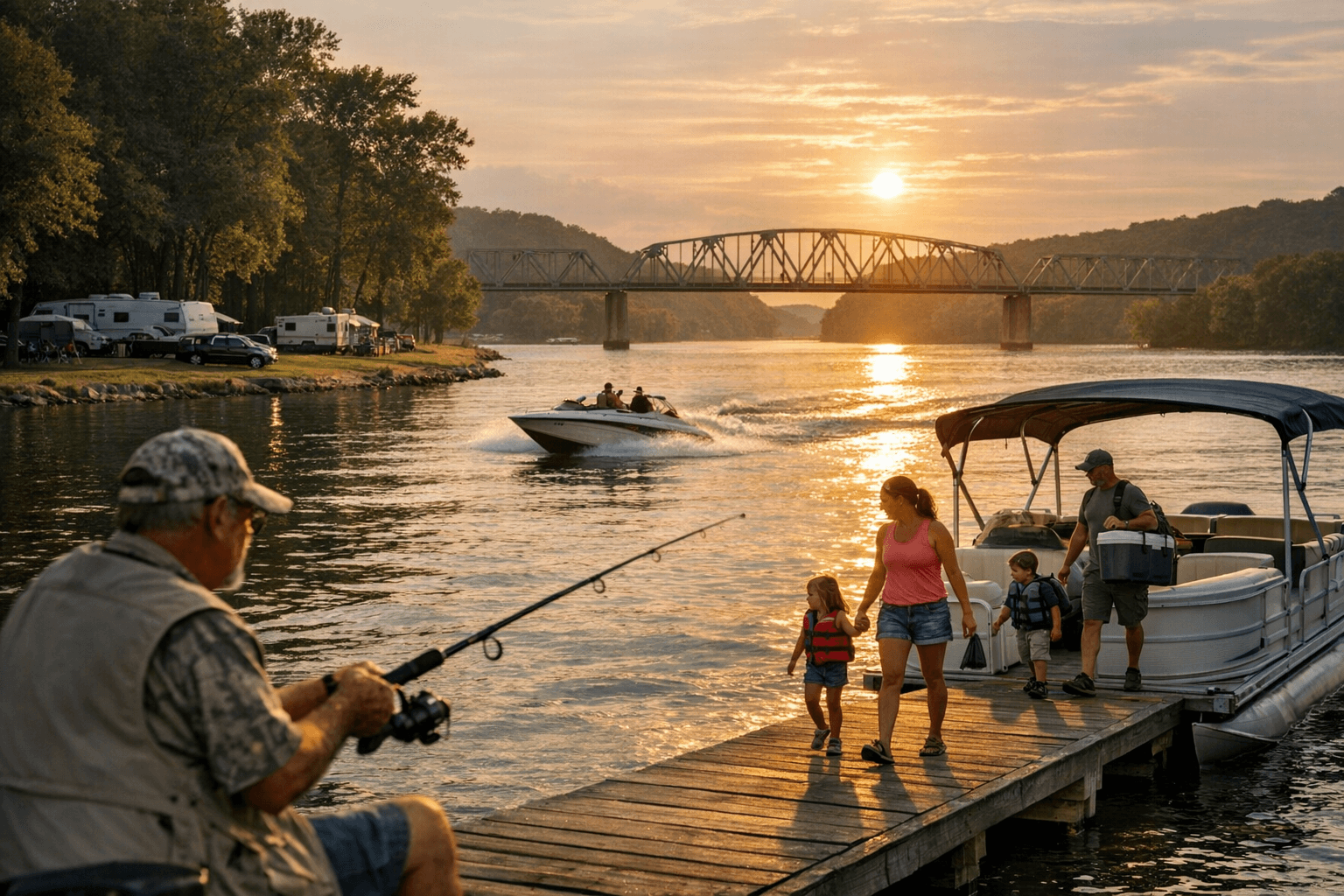
Economically, the mix of marinas, campgrounds, golf and agritourism supports local retail, food services and hospitality employment on a seasonal basis and helps stabilize weekend demand for lodging and fuel sales. The cooperative management of Carroll Cabin Barrens demonstrates an operational model that both protects sensitive natural resources and enhances recreational access.
Policy choices will shape how that economic potential is realized. Investments in wayfinding, dock maintenance and coordinated marketing could increase visitor stays, while targeted conservation funding and trail maintenance are needed to protect rare plants and historic structures. For Decatur County, the immediate task is balancing modest tourism growth with infrastructure upkeep and natural‑area stewardship to ensure long‑term benefits to residents and businesses.
Sources:
Know something we missed? Have a correction or additional information?
Submit a Tip