Torrential rains flood Gaza camps, displaced families face dire crisis
Torrential storms that swept the Gaza Strip on December 11 and 12 flooded tent camps and displacement sites, leaving hundreds of thousands of people exposed to cold, water and disease risks just as winter sets in. The scale of the destruction, combined with destroyed equipment, fuel shortages and limits on aid deliveries, has overwhelmed emergency capacity and deepened an already acute humanitarian emergency.
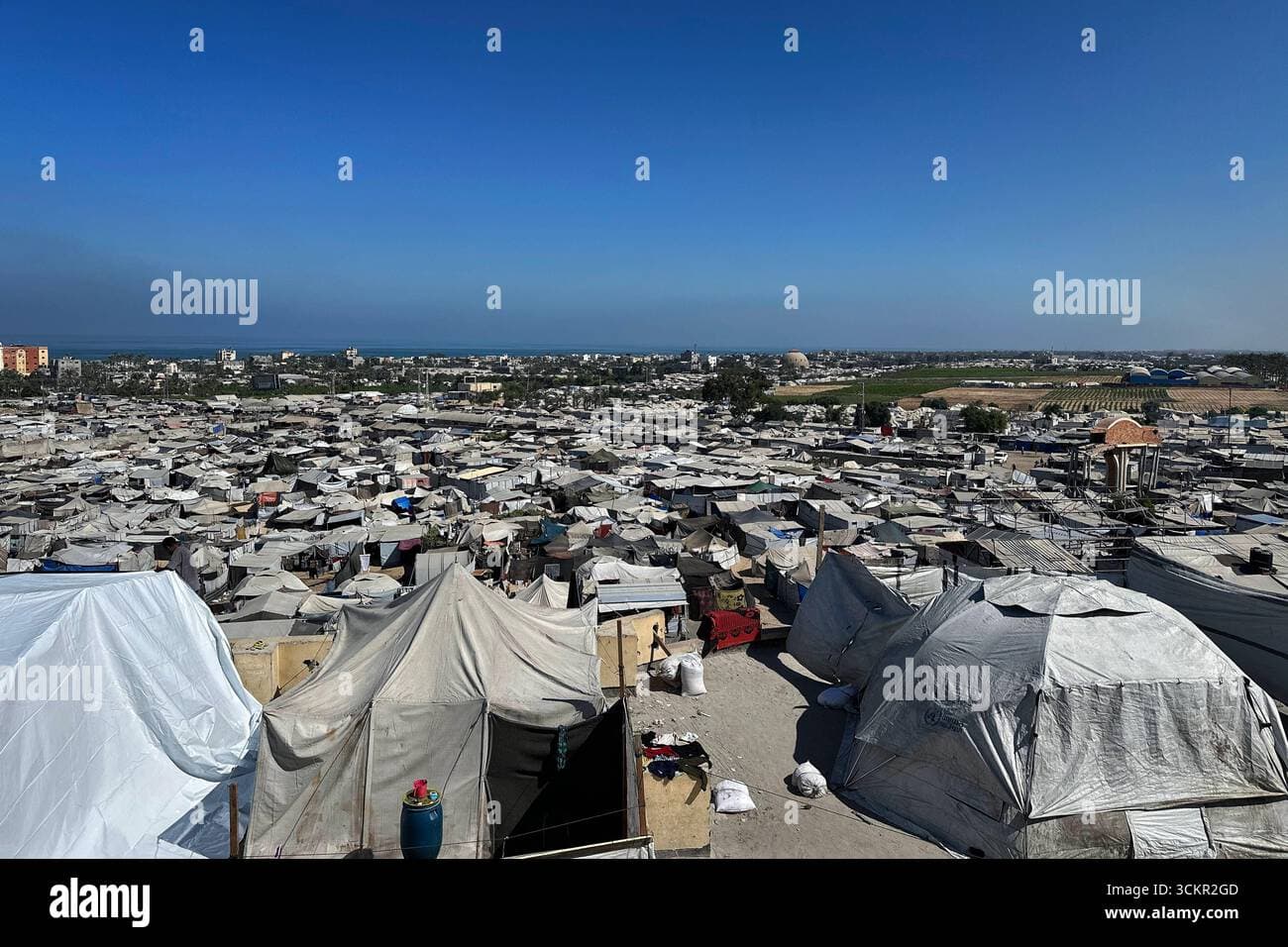
Torrential rains that battered the Gaza Strip on December 11 and 12 inundated tent encampments across the territory, U.N. agencies and local authorities warned on December 12, leaving hundreds of thousands of displaced Palestinians immediately at risk and blocking the delivery of much needed aid. Emergency services reported widespread flooding in central and northern Gaza, with locations hardest hit including Nuseirat, Deir el Balah, Bureij Refugee Camp and Gaza City.
The International Organization for Migration said nearly 795,000 displaced people were at heightened risk of dangerous flooding in low lying, rubble filled areas where families are living in unsafe shelters. A separate U.N. report cited by NBC News assessed that 761 displacement sites hosting about 850,000 people faced a high risk of flooding, and said thousands had already moved in anticipation of the storm. U.N. and Palestinian officials told NBC News that at least 300,000 new tents were urgently needed to shelter roughly 1.5 million people still displaced across the Gaza Strip.
Health officials reported at least one direct fatality linked to the storm, a baby girl who died after tents were flooded, and civil defence authorities said they had received more than 2,500 calls for help. Displaced residents were seen hauling mattresses and blankets through ankle deep pools of rainwater, and personal belongings floated in alleyways as relief teams struggled to reach the worst hit sites. Reuters quoted a displaced parent who said, "All night long the children and I were on our feet," describing a night without dry shelter.
Humanitarian agencies warned that inadequate drainage and the collapse of waste management systems would increase the risk of outbreaks of water borne and other diseases after the rains. Many displacement sites are located in flood prone, rubble filled areas that lack basic sanitation and storm water infrastructure, leaving families exposed not only to cold and flooding but also to contaminated water and degraded living conditions.
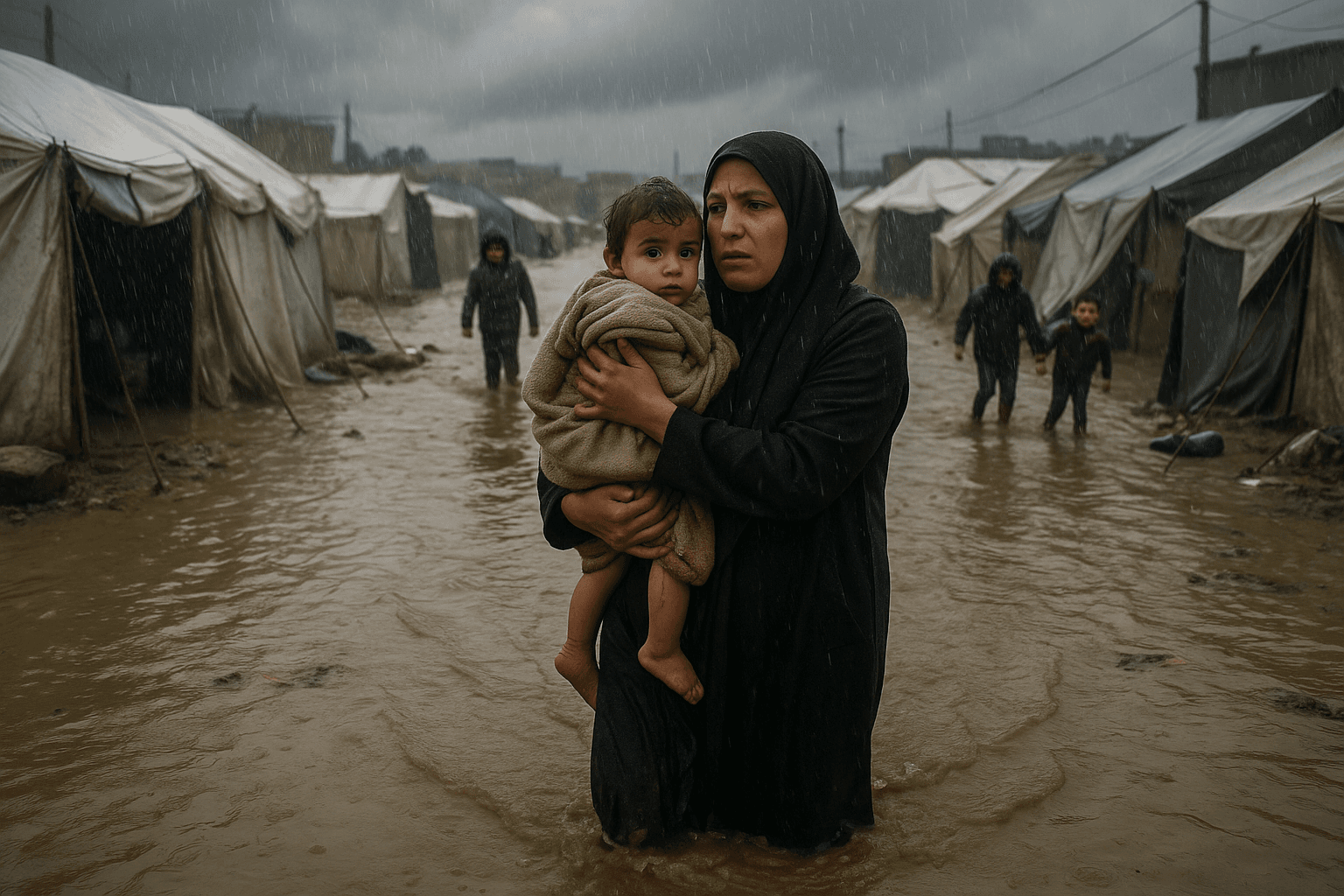
Responders said their capacity to cope was severely limited by the destruction of heavy equipment and ongoing shortages of fuel. U.N. and local officials said hundreds of vehicles including bulldozers and pumps had been destroyed during months of conflict, and that materials for shoring up shelters and sandbags were not being allowed to enter the enclave. Those constraints have narrowed options for clearing drains, removing standing water and moving people to safer locations.
The storm also produced wider effects across the region. Paramedics in East Jerusalem’s Sheikh Jarrah district found a man lifeless with signs of hypothermia during Storm Byron, and media showed flooded streets in Israeli towns such as Yavne, underscoring the storm’s reach.
The flooding delivers another severe test for relief operations in Gaza, where winter weather, dense displacement and constrained access have combined to leave large numbers of civilians exposed. Agencies on the ground say urgent deliveries of durable tents, shelter materials, heavy machinery and fuel are needed now to prevent a secondary public health catastrophe.
Know something we missed? Have a correction or additional information?
Submit a Tip