U.N. human rights office says it is in survival mode, warns donors
The U.N. human rights office says it is in "survival mode" after deep funding cuts by international donors, warning that the shortfall is crippling its ability to monitor and respond to abuses worldwide. The warning matters because it comes as human rights crises and humanitarian needs surge in multiple regions, raising the risk that violations will go undocumented and unchallenged.
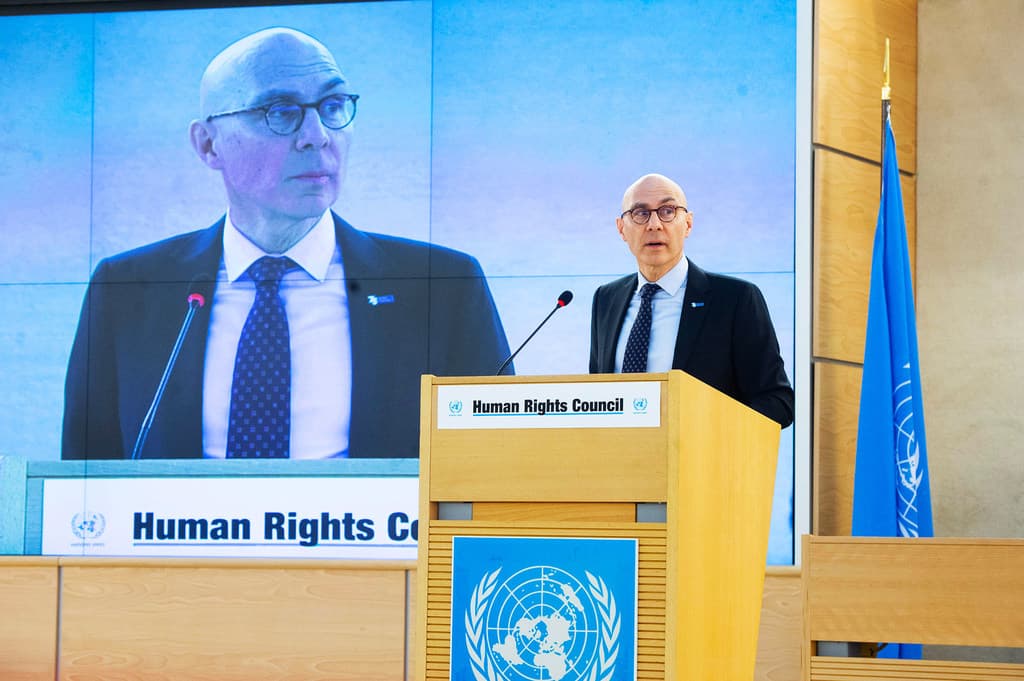
On Dec. 10 the U.N. human rights office, known as OHCHR, said it is in "survival mode" as deep cuts from international donors force steep reductions to its operations. The office warned that the funding shortfall is already constraining its ability to monitor abuses, support local rights groups and sustain country level programs at a time when demands for protection and accountability are rising.
The High Commissioner said reduced funds are compelling the office to pare back core activities and shrink support for grassroots human rights organizations in conflict affected regions. Those local groups, often the first responders to abuses and the front line for documenting crimes, rely heavily on OHCHR support for training, security, and legal assistance. With that support weakened, the office says civil society actors face greater peril and are less able to collect the evidence that underpins investigations and international accountability.
OHCHR officials described an operational squeeze that touches staffing, monitoring missions and capacity building. In practical terms the constraints mean fewer field visits, reduced presence in countries where violations are intensifying, and curtailed programs that train national actors in international human rights law. The office cautioned that continuing cuts could undermine global human rights protection and advocacy at a moment of rising violations.
The warning arrives against a complex geopolitical backdrop. Multiple theatres are reporting heightened humanitarian needs and allegations of abuses, stretching the U.N. system and nongovernmental networks. A diminished OHCHR presence risks leaving gaps in documentation and early warning, which in turn weakens the ability of courts, U.N. mechanisms and diplomatic processes to respond effectively. Analysts say that erosion of independent monitoring can create impunity and embolden actors who flout international norms.
The situation also carries political implications for multilateralism. Donor retrenchment in human rights funding signals a shift in priorities that may reshape how the U.N. and civil society interact with national governments. For countries and communities most affected, the contraction of international rights support is not an abstract budgetary matter but a tangible reduction in protection and recourse.
At the local level the impact will be felt most acutely by marginalized groups and by human rights defenders who face threats when reporting abuses. Programs designed to build legal capacity, protect witnesses and support investigations are often slow to scale back but quick to produce long term damage when they do not receive sustained funding.
The OHCHR statement on Dec. 10 framed the problem as an urgent test of political will among donor states and international institutions. It urged attention to the consequences that follow when monitoring and advocacy resources are withdrawn at a time when they are most needed. The unfolding funding crisis poses a direct challenge to the international system that underwrites human rights protections and to the communities that depend upon it.
Sources:
Know something we missed? Have a correction or additional information?
Submit a Tip