U.S. Jets Circle Gulf of Venezuela, Escalating Tensions Near Caracas
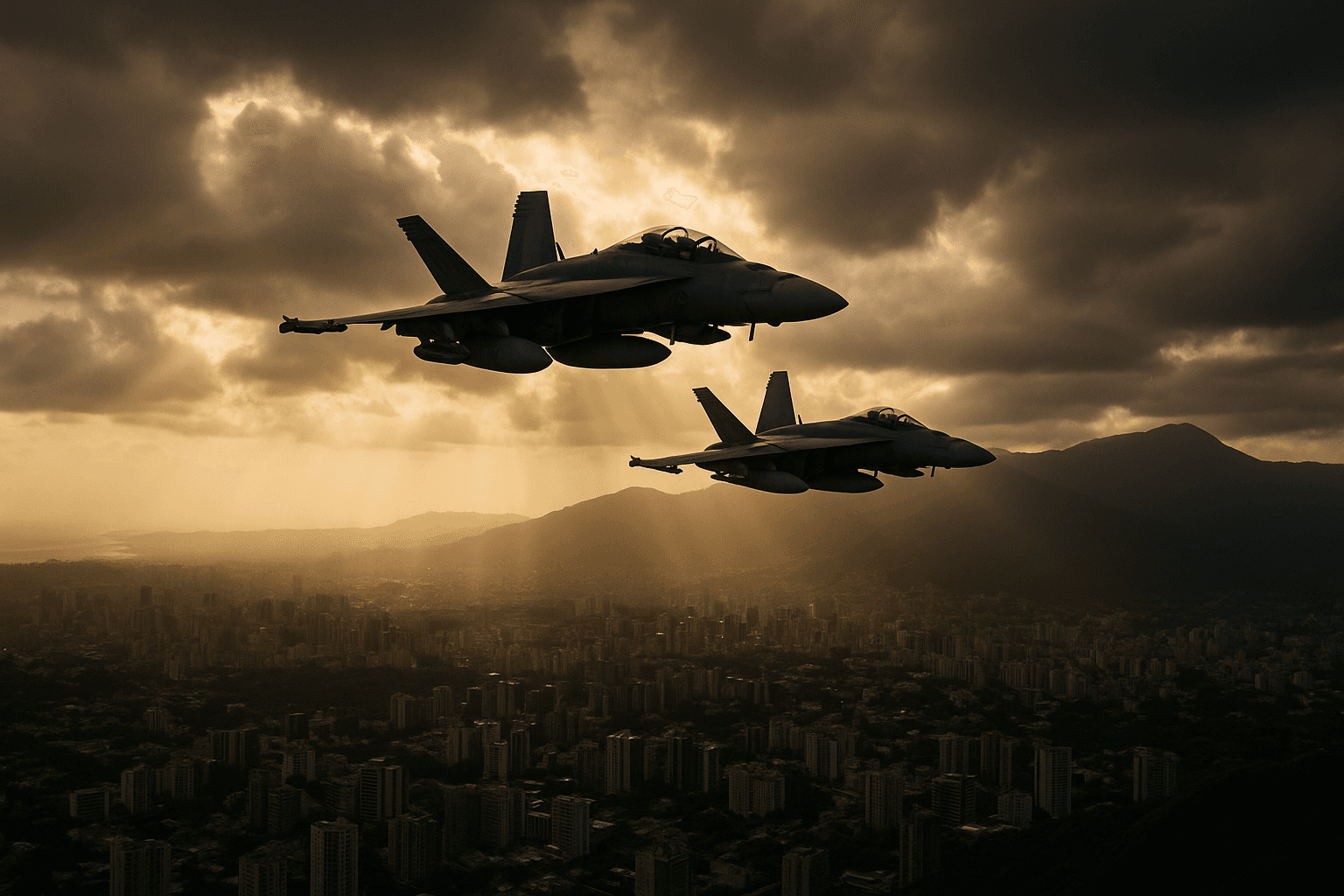
Two U.S. Navy F A 18 fighters flew near the northern tip of Lake Maracaibo on Dec. 9 to Dec. 10, circling for roughly 30 to 40 minutes in one of the closest military approaches to Venezuelan territory in months. The move comes amid an expanded U.S. counter narcotics presence in the Caribbean and renewed diplomatic strain with Caracas, raising legal and regional security questions that matter to neighbors and transatlantic partners.
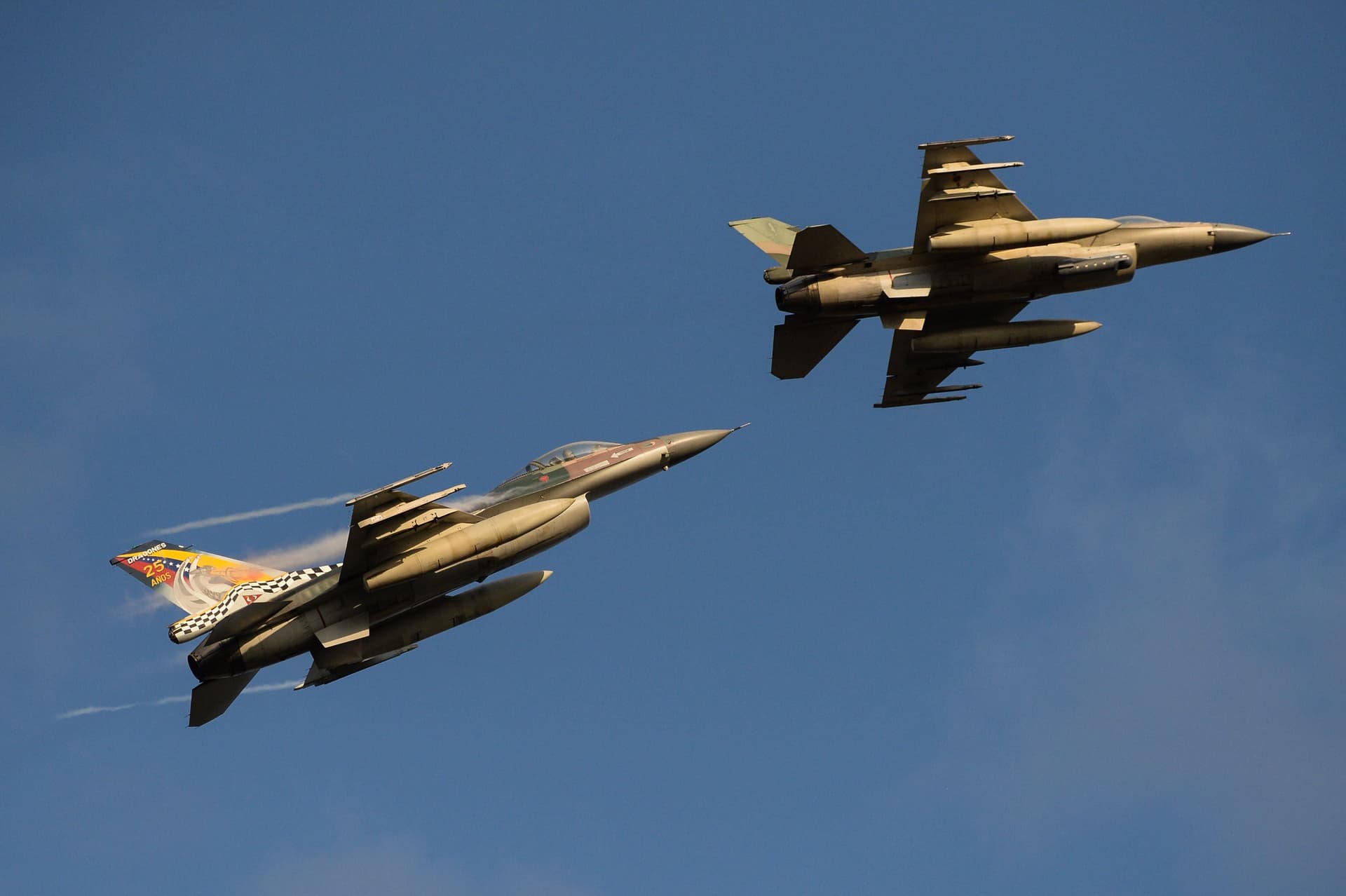
Flight tracking data and U.S. defense officials show two U.S. Navy F A 18 jets conducting sorties over the Gulf of Venezuela on Dec. 9 to Dec. 10, circling in the vicinity of the northern tip of Lake Maracaibo for approximately 30 to 40 minutes. The Pentagon described the mission as a routine training flight carried out in international airspace, but the proximity to Venezuelan territory marks one of the closest known U.S. military flights near the country in recent months.
The flyover occurs against a backdrop of a sustained U.S. military presence in the Caribbean that officials link to counter narcotics operations and pressure on the government of Nicolás Maduro. In recent weeks and months U.S. forces have expanded efforts at sea targeting suspected narcotics smuggling vessels, an approach that has included strikes at sea according to U.S. statements and reporting. Those operations have prompted scrutiny from lawmakers and legal experts after reports emerged of civilian casualties and contested accounts of specific incidents.
Caracas has decried such maneuvers as provocative, framing U.S. activity as part of a broader campaign aimed at regime change. U.S. officials maintain that their actions are lawful and intended to disrupt organized trafficking networks that affect the hemisphere. The exchange of competing narratives underscores the diplomatic fault lines that accompany kinetic operations in a crowded maritime and aerial environment.
Beyond bilateral tensions the episode raises legal and operational questions about the use of force and freedom of navigation in international waters and airspace. International law permits military activity in international zones, yet the targeted use of force at sea and the risk of harm to civilians create complex legal thresholds. Congressional inquiries and judicial scrutiny in the United States have already focused attention on whether recent actions have adhered to domestic and international obligations, and regional governments are watching for signs of escalation that could affect commerce, migration and security cooperation.
Neighbors in the Caribbean and Latin America traditionally urge deescalation and multilateral dialogue when incidents occur in proximate maritime zones. For states with limited military capacity the presence of great power assets can offer counter narcotics benefits and increase surveillance, yet it also heightens the chance of miscalculation. Commercial shippers, local fishers and airline operators share a stake in predictable skies and seas, making clarity about intent and legal justification essential.
The jets over the Gulf of Venezuela are likely to spur additional diplomatic notes between Washington and Caracas and may prompt calls for regional mediation through organizations such as the Organization of American States. How the United States balances its security objectives with legal transparency and regional diplomacy will affect wider strategic calculations in the hemisphere, where competition among external powers and internal political dynamics continue to reshape security practices. For now the flight is a vivid reminder that routine training and counter narcotics missions can carry outsized geopolitical consequences when conducted near sensitive sovereign territory.
Sources:
Know something we missed? Have a correction or additional information?
Submit a Tip