U.N. Warns Hong Kong Clampdown Threatens Fire Inquiry Transparency
The United Nations on December 9 expressed alarm at reports that Hong Kong authorities were invoking national security laws in ways that hindered calls for a transparent probe into a deadly apartment fire. The U.N. cautioned that using broad security statutes against those seeking accountability risks eroding civil liberties and undermining public trust in investigations of major tragedies.

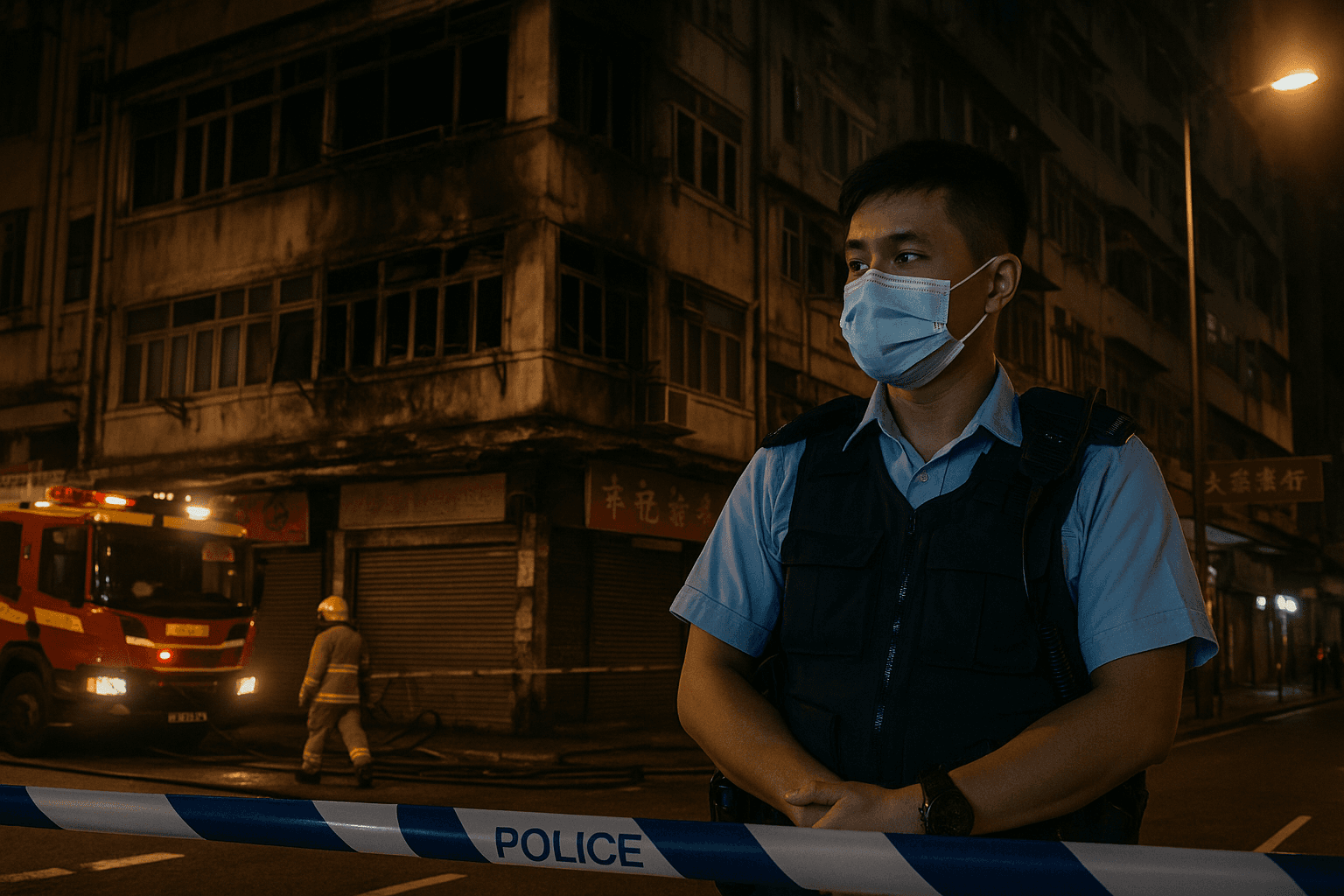
On December 9 the United Nations raised concern after reports emerged that Hong Kong authorities had cited national security provisions in response to demands for a thorough and transparent investigation into a deadly apartment fire. The death toll rose as officials continued identifications and searches at the scene, and families pressed for answers about the circumstances that allowed the blaze to claim multiple lives.
The U.N. statement warned that invoking expansive security statutes against individuals and groups seeking accountability could curtail civil liberties and erode public confidence in inquiries into catastrophic events. That warning reflects broader unease among international observers who say rights protections and the credibility of official probes are closely linked when public safety failures produce loss of life.
The fire has become a focal point for grievances over building safety enforcement, emergency response procedures, and the mechanisms by which authorities determine responsibility. Survivors and relatives of the deceased have demanded a transparent accounting of causes and of whether warnings about hazards were heeded. According to reports compiled by news agencies on December 9 and 10, authorities conducting searches and identifications have faced public pressure to disclose findings and to allow independent scrutiny.
The U.N. intervention underscored the tension between the stated imperative to protect state security and the equally compelling need to preserve civic space for victims and investigators. Since the imposition of a national security law in 2020 Hong Kong has undergone major legal and political changes that international rights monitors say have narrowed avenues for dissent and oversight. Critics argue that when security legislation is applied to questions of public accountability the result can be a chilling effect that deters witnesses, journalists, and civil society from participating in fact finding.
The diplomatic implications are significant. Global partners and investors often point to transparent governance and independent legal processes as central to Hong Kong's international standing. Perceptions that inquiries into major domestic tragedies are constrained by security considerations could deepen concerns about rule of law and administrative transparency in the special administrative region.
Legal experts say states have obligations under international human rights law to ensure effective investigations into deaths and to guarantee remedies for victims. When security laws are used in ways that appear to obstruct accountability, those obligations can come under strain and invite scrutiny from U.N. bodies and other multilateral institutions. The current U.N. commentary signals that the world is watching whether Hong Kong will allow a credible, independent examination of what went wrong.
As searches and identifications continue, families and advocacy groups said they were awaiting clearer information on the cause of the fire and on any procedural reforms to prevent similar tragedies. The U.N. warning adds international pressure for a transparent process that can satisfy both public demand for accountability and legitimate security concerns, while preserving fundamental rights and public trust in official inquiries.
Sources:
Know something we missed? Have a correction or additional information?
Submit a Tip