University research shows ways to cut water use for winter lettuce, protect local production
On December 12 a statewide television segment highlighted University of Arizona Yuma Agricultural Center field trials that combined a plant biostimulant with precision irrigation guided by soil moisture sensors and organic soil management. Early results suggest growers can improve water use efficiency while maintaining crop vigor, a development that matters as Colorado River allocations tighten and water becomes more costly for Yuma County producers.
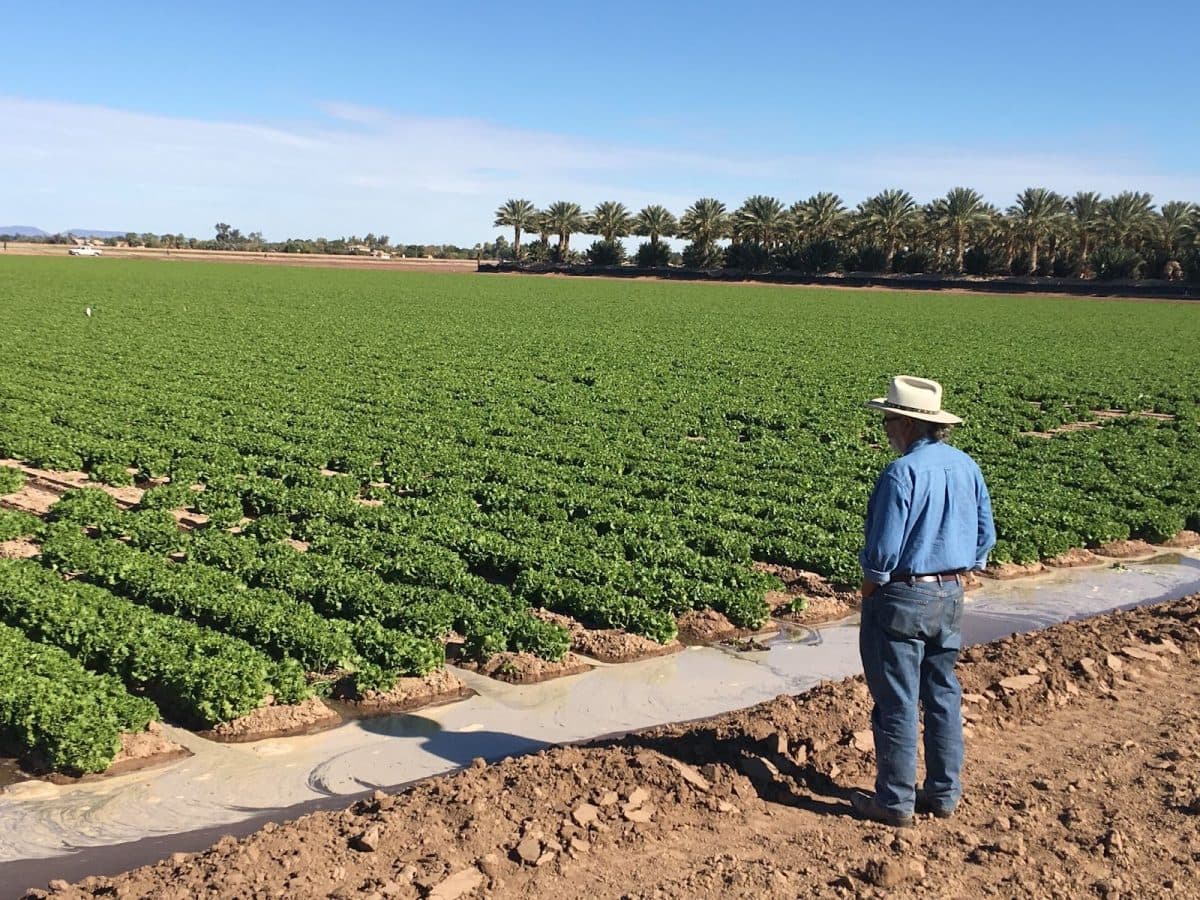
Researchers at the University of Arizona Yuma Agricultural Center ran field trials this fall testing an integrated approach to winter lettuce production that pairs a plant biostimulant with precision irrigation guided by soil moisture sensors and organic soil fertility practices. The trials were highlighted in a statewide television segment on December 12 and show early evidence that combining these tools can maintain crop vigor while using less irrigation water.
The central finding is practical rather than theoretical. Early results indicate growers can potentially reduce the volume of applied irrigation without sacrificing yield when the three elements are used together. That outcome matters for Yuma County, where winter leafy green production drives local farm income and where Colorado River allocations have tightened, raising the effective cost and risk of irrigating in an arid basin.
From a market perspective, reduced water use can blunt cost pressures that otherwise push up production costs and margins. If water conserving practices become widely adopted across the county, producers may avoid acreage contraction that would tighten supply and push prices higher in the winter leafy green market. Wider adoption will depend on the cost of sensors and biostimulants, the availability of organic fertility inputs, and the speed at which growers can apply new irrigation scheduling to existing equipment.

Policy implications are immediate. Tightening allocations from the Colorado River increase the value of water saved on farm fields, which strengthens the case for public incentives or cost share programs to accelerate uptake of soil moisture sensor guided irrigation and soil health practices. Extension research that is directly transferable to local operations can reduce adoption barriers, by providing protocols, demonstration data and hands on guidance to growers facing near term allocation uncertainty.
Longer term trends favor the integrated approach the trials tested. Continued aridification and regulatory pressure on basin water use make precision irrigation and soil health investments an increasingly important part of farm risk management. For Yuma producers and the local economy, the trials offer a pathway to sustain winter leafy green production while responding to a drier future.
Sources:
Know something we missed? Have a correction or additional information?
Submit a Tip