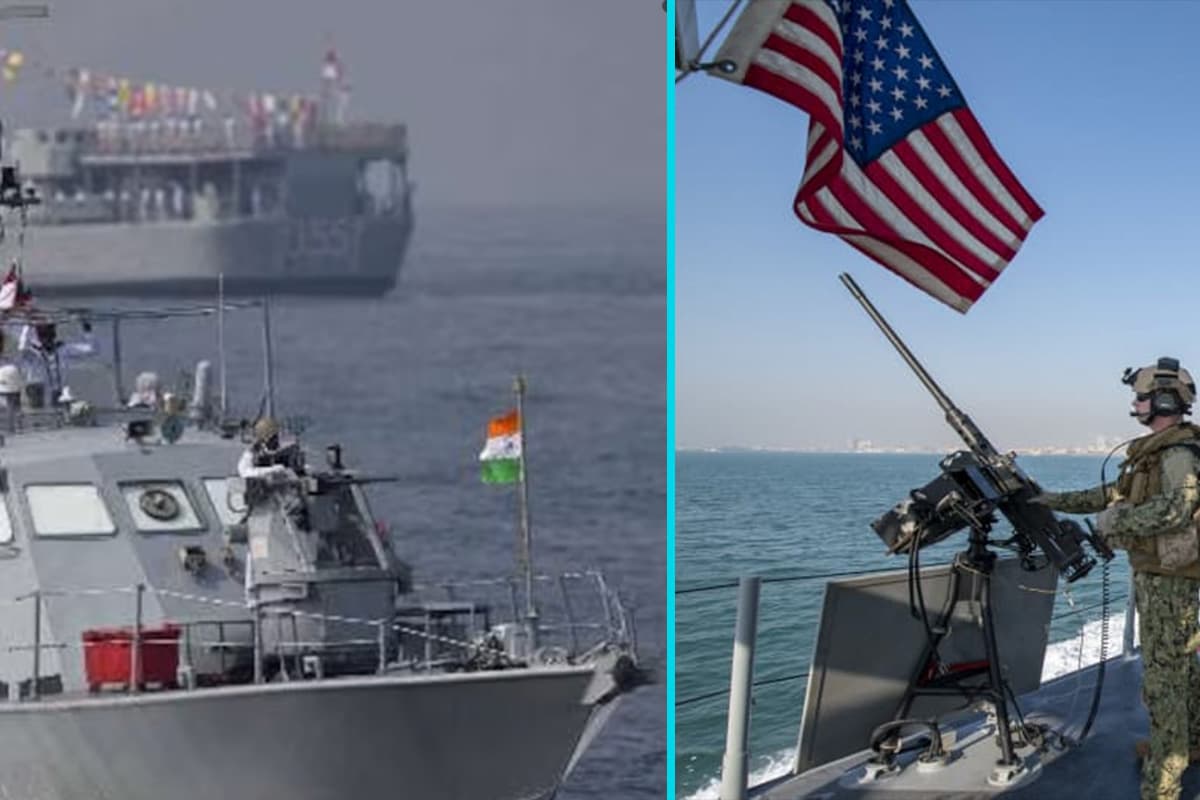
U.S. B 52s With Japanese F 35s Patrol Sea of Japan, Tokyo Says
Japan’s Defense Ministry said two U.S. B 52 strategic bombers flew with six Japanese fighters over the Sea of Japan on December 10 in a coordinated mission meant to signal deterrence. The sortie came a day after Chinese and Russian forces completed joint drills that Tokyo said encircled Japanese and South Korean airspace, underscoring rising tensions and tighter U.S. and Japan military coordination.
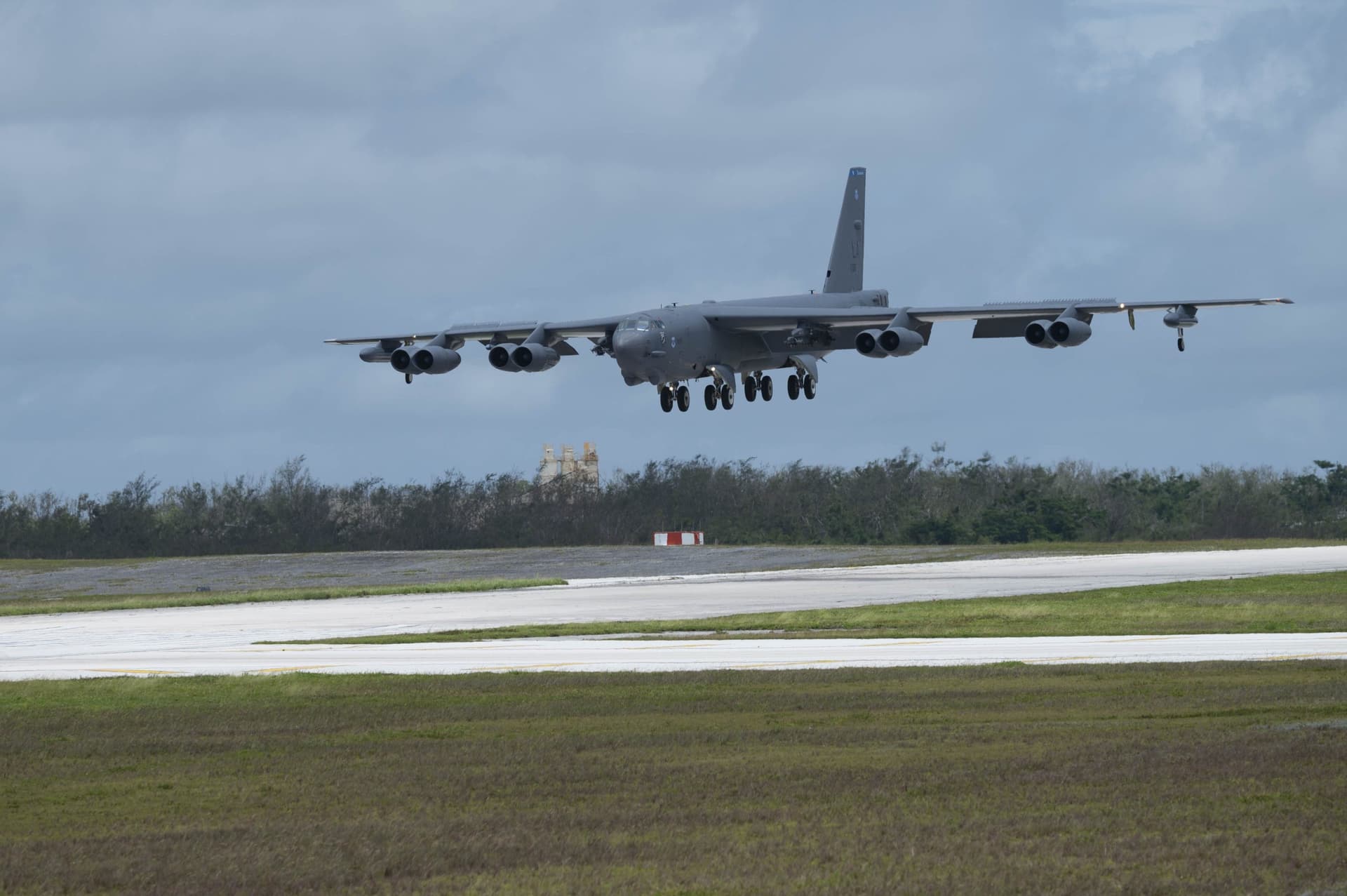
Japan’s Defense Ministry said two U.S. B 52 strategic bombers conducted a coordinated flight with Japanese fighters over the Sea of Japan on December 10, in what officials described as a deliberate demonstration of allied resolve. The Joint Staff Office said the bilateral mission was meant to demonstrate the "strong will" of Japan and the United States not to tolerate unilateral attempts to change the status quo by force, and to show the readiness of Japan’s Self Defense Forces and U.S. forces operating in the region.
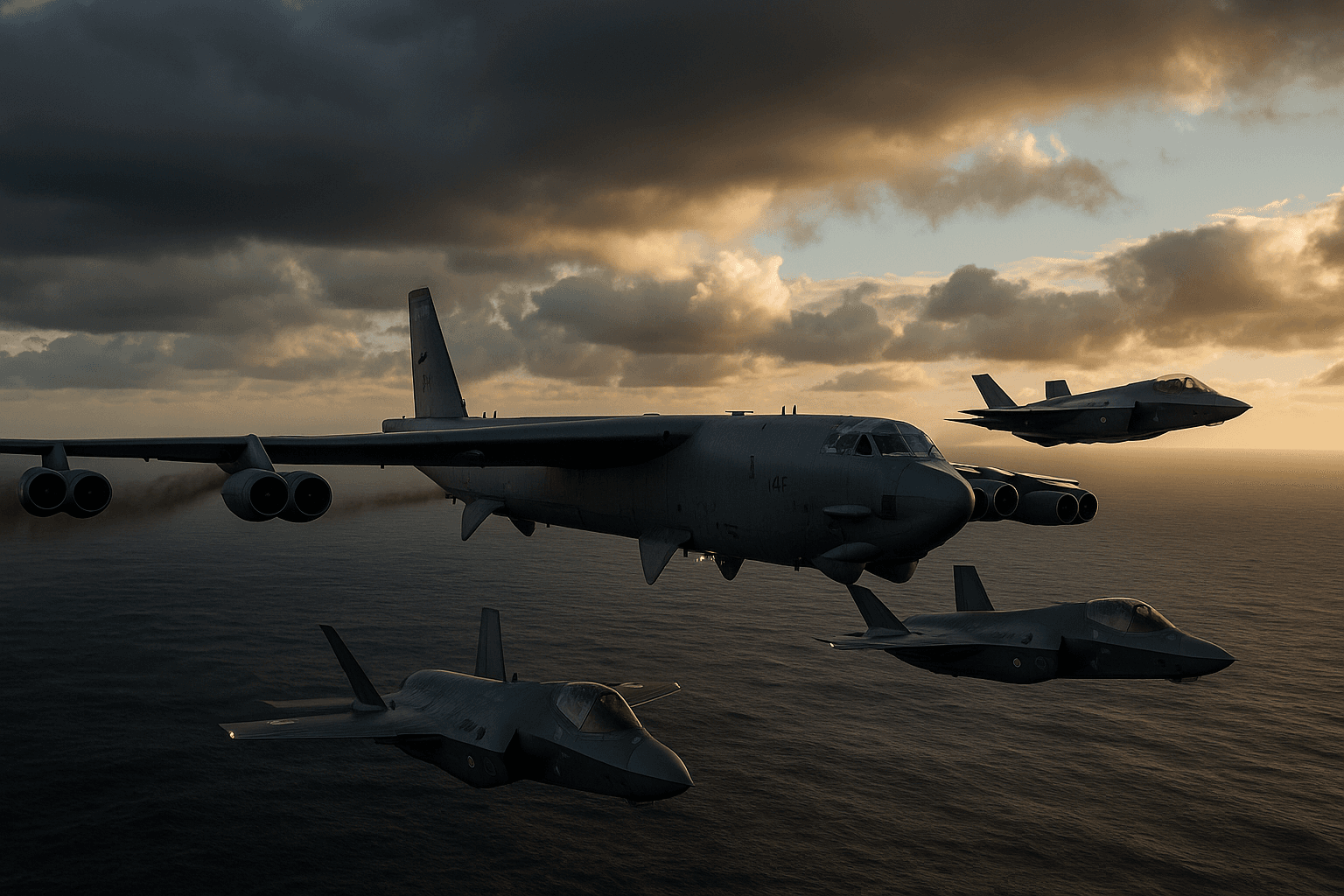
The aircraft rendezvoused over waters between Japan and South Korea, an area Tokyo refers to as Japan’s western airspace. The ministry said six Japanese fighters joined the mission, three F 35 stealth fighters and three F 15 air superiority jets. Multiple international outlets reported the same composition. Japanese officials framed the exercise as a direct response to coordinated drills launched the previous day by Chinese and Russian forces, which Tokyo said had effectively encircled parts of Japan and South Korea and prompted late night scrambles to monitor foreign bombers and fighters.
Media accounts described the U.S. aircraft as nuclear capable, reflecting the B 52 type’s long established strategic role. Open source experts note the U.S. inventory includes B 52H bombers, some configured to carry nuclear cruise missiles, but public reports did not confirm whether the two aircraft on the sortie were among those so configured. News outlets cited the Federation of American Scientists for context on B 52 capabilities while acknowledging no independent confirmation of the weapons load on the Dec 10 flight.
The mission on December 10 was the second U.S. bomber operation conducted with Japan since mid November. In that earlier period, a detachment of U.S. B 1B bombers concluded a deployment that had begun in mid October at Misawa Air Base in northern Japan, an operation Tokyo and U.S. officials said was intended to reinforce regional stability. Analysts say the back to back deployments reflect a broader pattern of stepped up U.S. presence and interoperability drills with allies in response to more assertive Chinese and Russian operations around the East China Sea and the wider Indo Pacific.
Tokyo has publicly linked the allied flights to rising regional tensions after what it described as Chinese carrier drills and bomber patrols. Japanese officials reported instances in which Chinese forces targeted Japanese planes with radar beams, an allegation Beijing denied, saying Japanese aircraft had endangered Chinese air operations near southern Japan. Russian officials have not issued a detailed comment on the Dec 10 B 52 flight.
For diplomats and defense planners the sortie serves several functions. It is a message of deterrence to Beijing and Moscow, a reassurance to Seoul and Tokyo about U.S. commitment, and a demonstration of combined readiness that complicates adversary calculations. The episode also raises familiar verification questions for journalists and analysts about what strategic capabilities were actually deployed, an uncertainty that both Tokyo and Washington have left largely unaddressed while emphasizing the political and operational point of the mission.
Know something we missed? Have a correction or additional information?
Submit a Tip