U.S. to Convene Doha Conference, Advance Plans for Gaza Stabilization Force
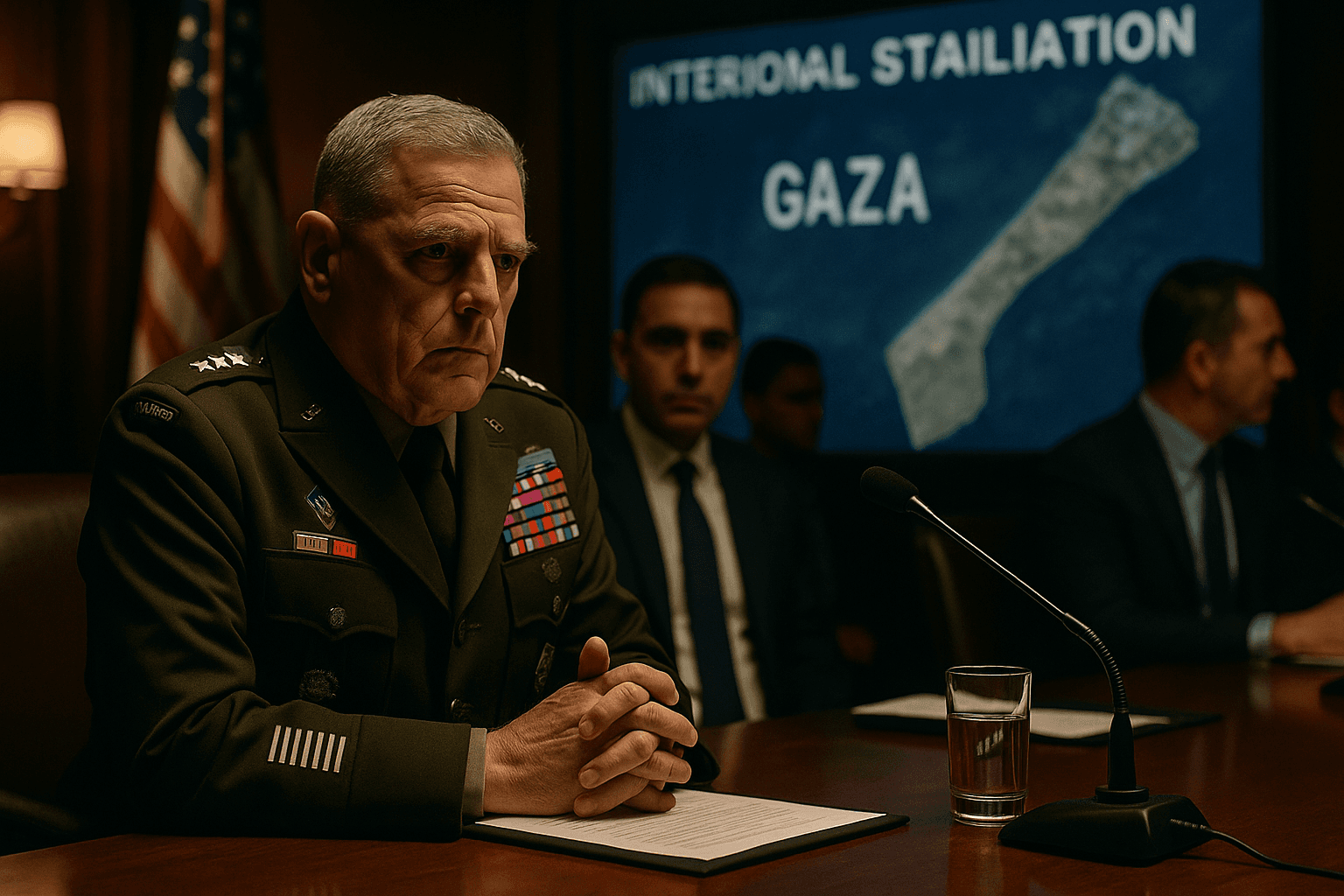
U.S. Central Command will host an international planning conference in Doha on December 16 to refine proposals for an International Stabilization Force in Gaza, CENTCOM officials told Reuters. With representatives from more than 25 countries expected, the meeting will focus on command structure and related issues, a preliminary step that could shape diplomatic, military and economic decisions in the region.

United States Central Command will convene an international planning conference in Doha on December 16 to advance proposals for an International Stabilization Force in Gaza, CENTCOM officials told Reuters. More than 25 countries are expected to send representatives, and sessions will include discussion of the proposed force’s command structure and other related topics, media reports corroborate.
CENTCOM framed the gathering as a planning effort to develop and refine proposals rather than as a commitment to deploy forces. Reporting in Times of Israel, U.S. News and The Jerusalem Post echoed Reuters on the date, location and the expected scale of participation, but provided no names of participating countries. The sparse public description leaves key questions open about mandate, legal authorities, financing and deployment timelines.
The decision to host the meeting under CENTCOM auspices signals a prominent U.S. role in shaping any multinational stabilization framework. Command structure is a central policy issue because it determines chains of authority, operational coherence and how national caveats would affect on the ground performance. Legal and political hurdles will include whether any ISF would operate under United Nations authorization, the scope of rules of engagement, and how the force would interact with existing military and humanitarian actors in Gaza.
Economic implications are likely to be significant even at the planning stage. Market participants routinely monitor developments that could alter regional risk premia, particularly around energy routes and investor sentiment in the Middle East. A credible multinational stabilization plan could reduce short term volatility by signaling an organized international response, while prolonged uncertainty can lift risk assessments for supply sensitive sectors and elevate costs for insurers and lenders. Defense and logistics firms may see increased demand from planning and potential force generation, while humanitarian agencies and reconstruction planners will be watching for indications of funding and access.
Long term, any stabilization operation would intersect with reconstruction finance and economic recovery in Gaza. Establishing security arrangements precedes large scale rebuilding and investment, and the costs of those efforts typically run into the billions of dollars over many years. That in turn raises questions about which multilateral institutions, donor countries and private financiers would shoulder reconstruction burdens, and what conditionality would be attached to aid and investment to support governance and economic stabilization.
The conference is a preliminary diplomatic step. CENTCOM is the primary source for the announcement, and the stated objectives and expected attendance have been corroborated by several outlets. Absent from reports are names of participating delegations, a published agenda beyond reference to command structure, and any timetable for moving from proposals to potential force generation. Officials and governments are likely to issue readouts following the Doha meeting, and reporters will seek lists of attendees, the conference agenda and clarification on whether the event will produce binding frameworks or nonbinding recommendations for follow up.
Know something we missed? Have a correction or additional information?
Submit a Tip