U.S. to unveil provisional Gaza leadership under Trump plan
U.S. set to announce a temporary technocratic council for Gaza under a Trump 20-point plan; security, disarmament and reconstruction questions remain.
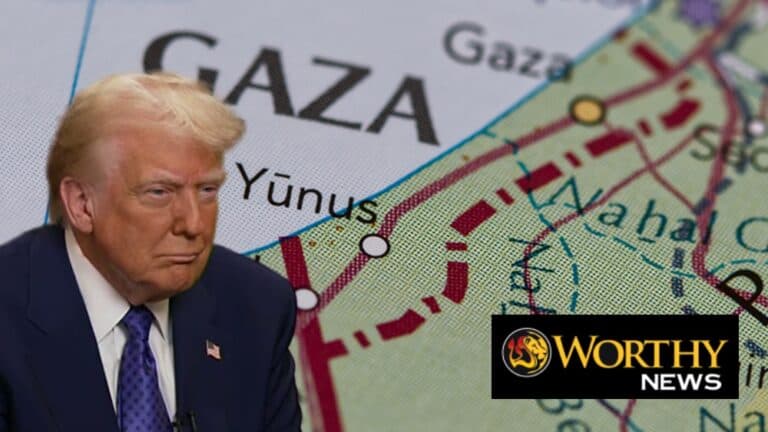
The U.S. administration is expected to move forward with a second phase of its 20-point Gaza plan by unveiling a provisional leadership structure for the territory, Palestinian sources and U.S. officials say. The proposal centers on a 14-member Palestinian technocratic body to run day-to-day governance in Gaza under international supervision, with a separate Board of Peace overseeing reconstruction and transition.
Palestinian sources identified Ali Shaath, a former deputy minister in the Palestinian Authority who worked on industrial zones development, as the proposed head of the 14-member council. The international supervisory board is reported to include senior global figures and an executive tier of advisers. President Trump has described the board as including "the most important leaders from the most important countries." Nickolay Mladenov, the former U.N. Middle East envoy, is expected to serve as the board's on-the-ground representative and as liaison with the Palestinian technocratic body.
U.S. officials say the plan builds on an initial phase implemented last autumn that produced a partial ceasefire, some hostage releases and increased humanitarian access while leaving key issues unresolved. The administration intends phase two to focus on governance, international oversight and the roll-out of aid and reconstruction. Officials also describe an ambitious personnel plan that could involve scores of individuals; one U.S. source described nearly 100 people potentially engaged in various roles.
Major operational and political obstacles remain. The composition, mandate and contributors to any proposed International Stabilization Force have not been finalized. Potential troop contributors have voiced concern about perceptions of occupation and the security risks of operating inside Gaza, where Israeli airstrikes during the earlier phase killed hundreds and where Hamas has resisted formal disarmament. Palestinian and Israeli authorities continue to trade accusations of breaches, and one remaining Israeli hostage has yet to be returned, complicating political buy-in for a transition.
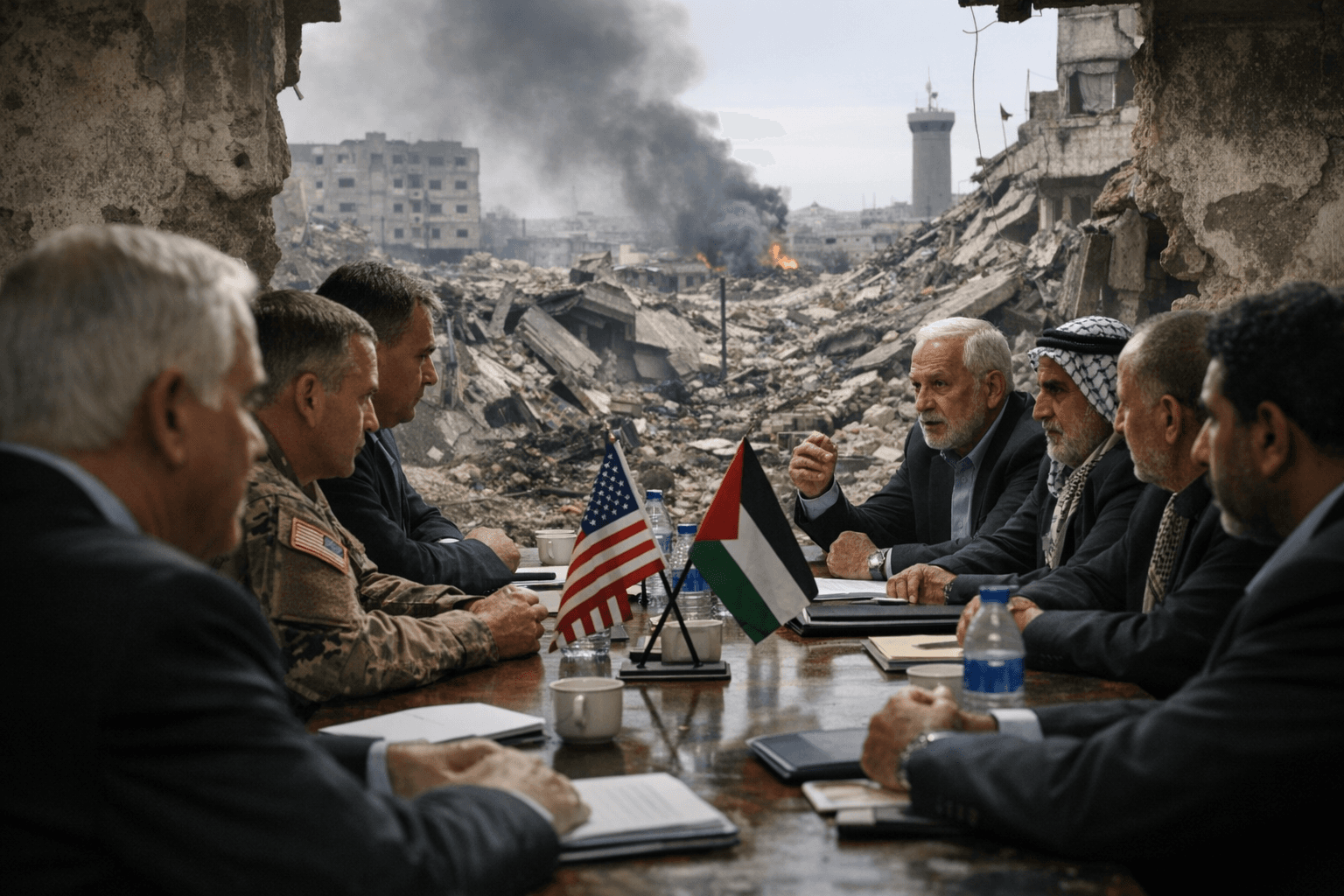
The humanitarian picture is acute. Delays in reopening the Rafah crossing with Egypt have constrained aid deliveries and raised questions about how material support will flow under a new governing arrangement. Reconstruction needs are likely to be substantial, raising questions about donor commitments, timelines and conditionality. The financial cost and logistics of rebuilding Gaza’s infrastructure and housing, and of securing funding for an international presence, will be a central test of the plan's viability.
Market and policy implications hinge on whether the phase-two roll-out reduces regional volatility or instead triggers further friction. Investors typically react to geopolitical clarity or escalation with shifts in risk sentiment that can affect regional markets, trade routes and energy prices. A durable transition with broad international support could draw substantive reconstruction financing and stabilize cross-border commerce; failure to secure disarmament, peacekeeper contributions and open aid corridors could prolong economic disruption and humanitarian need.
Key verification tasks remain: confirmation of the full membership of the Palestinian technocratic council, formal appointment of Ali Shaath, the precise role of Mladenov, who will chair the Board of Peace, which countries will commit stabilization troops, and an agreed timeline and mechanism for Hamas disarmament. Those answers will determine whether the plan can move beyond a political framework to effective governance and reconstruction on the ground.
Sources:
Know something we missed? Have a correction or additional information?
Submit a Tip