Waimea Canyon and Kōkeʻe Parks Require Fees, Careful Travel
Kauaʻi residents and visitors should plan ahead before driving Kōkeʻe Road to Waimea Canyon and Kōkeʻe State Park, because self service kiosks collect non resident vehicle and visitor fees and road conditions can be challenging. These measures affect local tourism revenue, road maintenance burdens, and access for residents, making preparation and awareness important for safety and for support of park conservation.
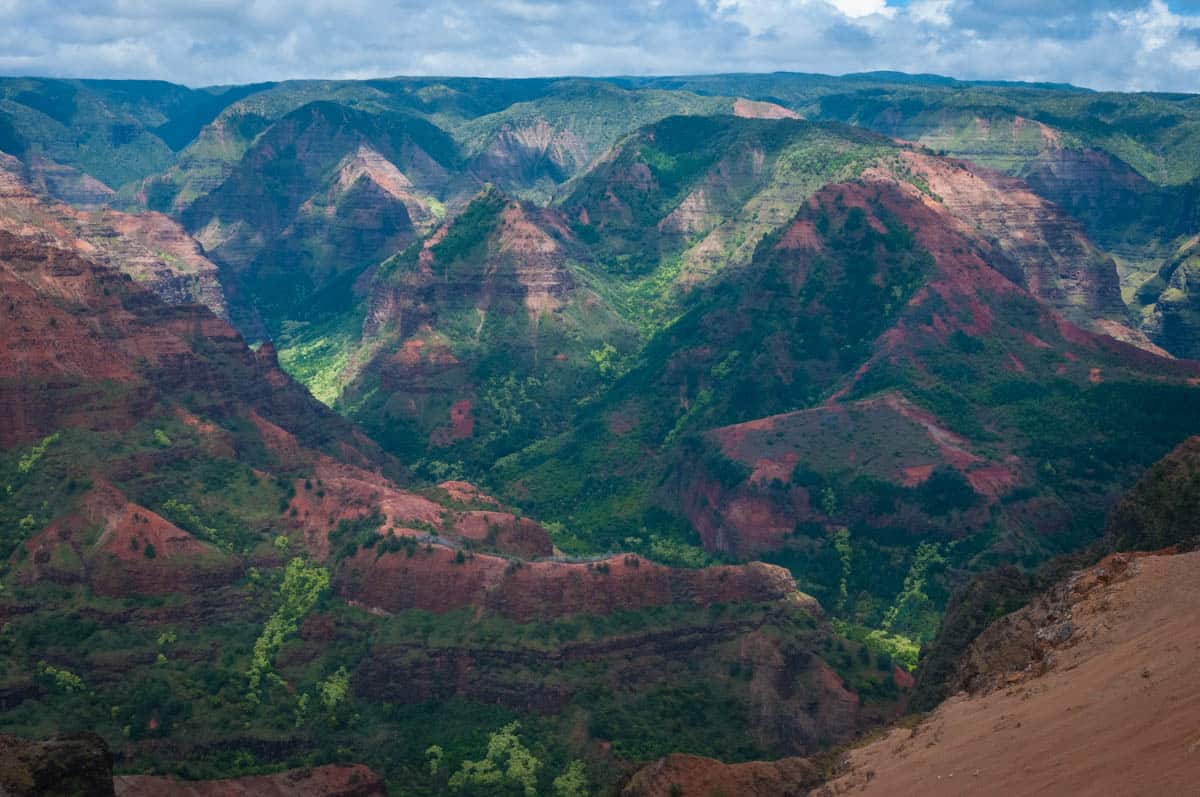
Waimea Canyon State Park and the adjacent Kōkeʻe State Park remain signature draws on Kauaʻi, offering panoramic lookouts, native forest and access to Kalalau and Na Pali vistas. Park managers collect non resident vehicle and visitor fees at self service kiosks, and resident exemptions are in place for qualified users. Those fees serve both to regulate visitation and to fund maintenance and resource protection, with direct implications for county budgets and local businesses that depend on park traffic.
Access along Kōkeʻe Road, or Highway 550, requires careful planning. The road is winding and may have potholes, limited shoulders and stretches with reduced or no cell service. That combination increases travel time and raises safety and emergency response considerations for residents and visitors alike. For operators of tour services, rental car companies and lodging providers, these travel conditions and the fee structure influence product pricing, scheduling and customer guidance.
Recreational offerings range from short lookouts such as Waimea Canyon Lookout, Puʻu Hinahina and Puʻu Ka Pele to extended viewpoints including Kalalau Alaloa. Popular hikes include Pihea, Awaʻawapuhi and Kukui trails. Birdwatching, picnicking and stargazing are integral uses of the parks, while managers balance those activities with conservation priorities. Rapid changes in mountain weather increase the likelihood of trail closures and restricted access, and visitors are advised to monitor permitted access and road closure notices before traveling.
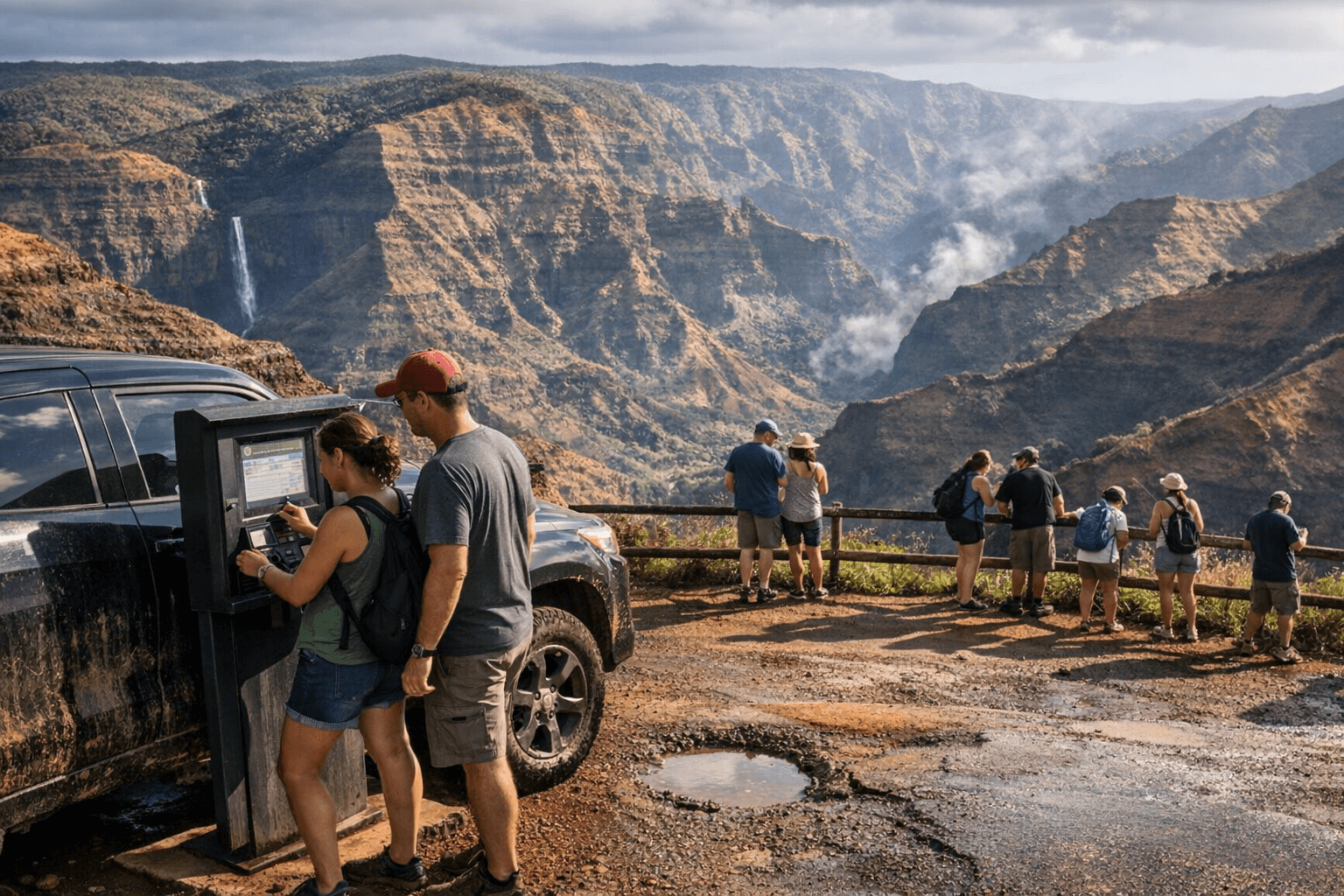
From an economic perspective, fee collection via self service kiosks is a market mechanism that channels visitor spending toward upkeep and conservation, potentially reducing pressure on county general funds. Resident exemptions aim to preserve local access while still capturing non resident contributions. Over the long term, managing visitation patterns, investing in road maintenance and maintaining clear communications on hours, reservations and fees will shape how the parks support Kauaʻi’s tourism economy without degrading natural assets.
For current hours, reservation details and fee levels check the Hawaii State Parks pages or the Waimea Canyon visitor site at waimeacanyon.org parking. Staying informed helps residents and businesses manage trips safely and ensures park revenues support continued preservation and access.
Sources:
Know something we missed? Have a correction or additional information?
Submit a Tip